La rivista e il marketplace globale per gli appassionati di auto d’epoca, creati da appassionati.
La rivista e il marketplace globale per gli appassionati di auto d’epoca, creati da appassionati.


Faccia la sua scelta
- Automobile
-
Marca >>
-
Anno >>
-


1978 Glastron Carlson 16 SS CVX | The Summer Serenade Auction | 18th July
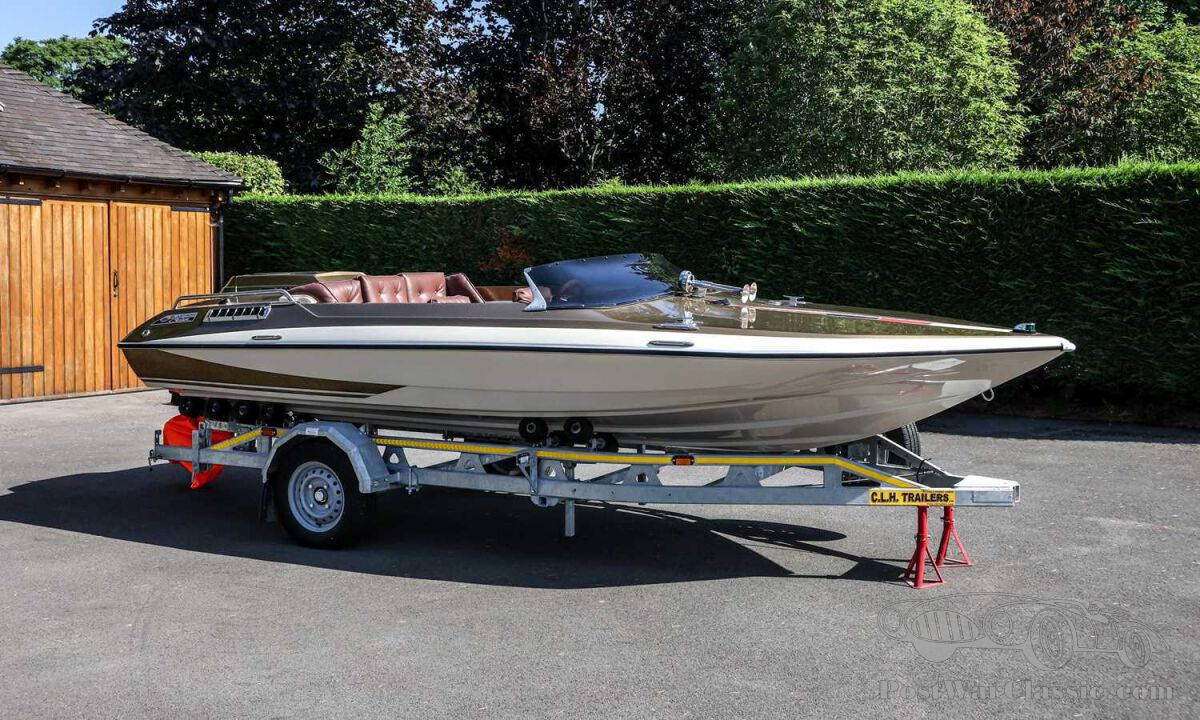

1978 Glastron Carlson 16 SS CVX | The Summer Serenade Auction | 18th July
- Subject to a comprehensive five-year restoration exceeding £78,000
- Over 1,000 hours invested in a meticulous nut-and-bolt rebuild
- Fitted with a replacement 3.0 litre engine and Z-drive
Art Carlson ranks among the most influential powerboat designers of the twentieth century. A celebrated racer, engineer and innovator, he helped shape the American high-performance boating scene during the 1960s and 1970s through his pioneering hull designs and distinctive styling. The Glastron-Carlson name emerged in 1968 when Glastron founder Bob Hammond acquired Carlson's high-performance boat company. Combining Glastron's manufacturing capabilities and extensive dealer network with Carlson's innovative designs produced some of the most desirable fibreglass performance boats of the era.
Drawing inspiration from American hot-rod culture, Carlson's creations featured dramatic metal-flake finishes, automotive-style instrumentation and sleek, low-profile hulls that perfectly captured the spirit of their age. Their striking appearance and impressive performance brought international acclaim, with Glastron boats starring in the celebrated boat chase sequence of Live and Let Die, while the Glastron-Carlson CV23HT achieved cinematic immortality as James Bond's gadget-laden speedboat in Moonraker.
The example offered here was acquired by the vendor as a restoration project and subsequently underwent a painstaking five-year rebuild. Purchased for just £1,000, the boat was stripped to its bare hull, with all salvageable original components carefully removed, catalogued and stored for eventual reinstallation.
Years of exposure had rendered the original engine and Z-drive beyond economic repair. A replacement 3.0 litre engine and compatible Z-drive were sourced, before the boat was entrusted to renowned specialist restorer Dale Saling at Neyland Marina on the Cleddau Estuary, Milford Haven. The hull was completely stripped and sanded back, with all previous paint removed. A bespoke fuel tank was fabricated and installed within the bow section, while a modern fire-suppression system was incorporated to meet safety standards. Once the structural work had been completed, the hull received fresh primer, paint and lacquer, transforming its appearance and returning it to period-correct presentation.
No detail was overlooked during the restoration. Every hidden system was renewed, including the wiring loom, fuel system and steering controls. The dashboard was recreated by a specialist manufacturer using the original as a template, while period-correct instruments were sourced to replicate the original specification as closely as possible. The upholstery was likewise renewed, faithfully retaining the factory patterns and design while replacing the deteriorated original materials.
Upon completion, the boat successfully passed its sea trials and the newly installed engine was warranted. Upon its return to the Midlands, the son of the boat's previous owner was invited to view the finished restoration, creating a fittingly emotional conclusion to a project that has preserved one of the most recognisable pleasure speedboats of its generation.
The vendor advises that restoration expenditure exceeded £78,000, with parts and materials alone accounting for approximately 60% of the total cost. The result is an exceptional example of the iconic Glastron-Carlson 16 SS CVX, restored to a standard rarely encountered today and ready to be enjoyed on the water or displayed as a centrepiece of any serious collection. Consigned by Baljit Singh.
Altri annunci in questa asta
 1970 Austin Mini 1000 Electric | The Summer Serenade Auction | 18th July
 1998 Jaguar XKR Convertible | The Summer Serenade Auction | 18th July
 1972 Datsun 240Z | The Summer Serenade Auction | 18th July
 1987 Nissan 300ZX Turbo | The Summer Serenade Auction | 18th July
Altre inserzioni da questo venditore
Annunci simili Glastron Carlson 16 SS CVX 1978 in vendita
 Chevrolet 1974 Corvette Sting Ray Convertible
 1970 Rolls Royce Corniche Fixed Head Coupe
 1972 BMW 3.0 CS | The Quail Auction 2026
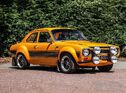 1970 Ford Escort Mk. I RS2000 Evocation | The Summer Serenade Auction | 18th July

Utente:
Asta:
Data:
18-07-2026
Ubicazione:
Regno Unito
Condividere:
Facebook
LinkedIn
Twitter
WhatsApp
Email
Copy
Dettagli Glastron Carlson 16 SS CVX 1978 in vendita
Anno:
Casa automobilistica:
Tipo:
Carlson 16 SS CVX
Prezzo:
Stima £ 25.000,- - £ 30.000,-
ID dell'annuncio:
907716
Scopri di piu:



Automobile Glastron Carlson 16 SS CVX 1978 in vendita

Invia messaggio