1990 RUF BTR III Cabriolet | The Quail Auction 2026
While the history of RUF has been etched into the minds of enthusiasts since the introduction of the BTR 3.4 in 1984 as the first model to wear the vaunted W09 chassis number-and into the consciousness of nearly everyone else following the Yellowbird's unforgettable appearance in Faszination-the marque's model hierarchy can seem surprisingly opaque given its exceptionally low production volumes. As Broad Arrow's own Ray Shaffer recently explained during a visit to RUF North America headquarters, however, the evolution is remarkably straightforward.
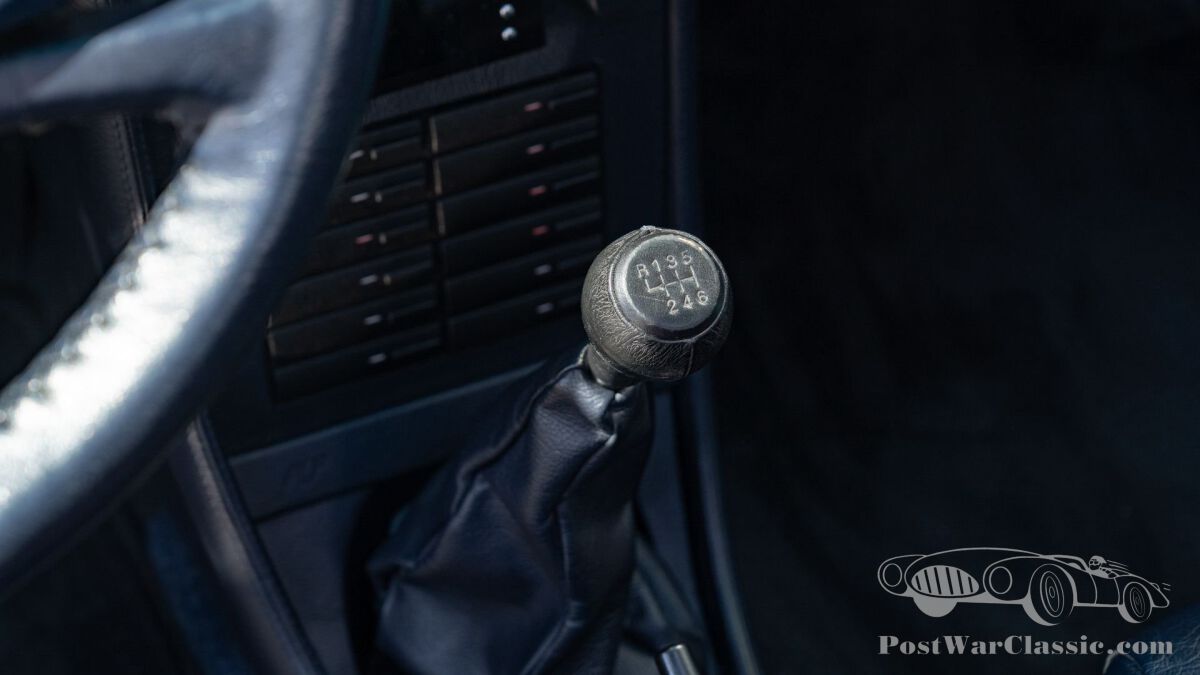
The BTR, short for Gruppe B Turbo RUF, marked the moment Alois Ruf Jr.'s company transitioned from an acclaimed Porsche tuner into a bona fide automobile manufacturer. Following official recognition by the German government in 1981, RUF began constructing complete automobiles from Porsche body shells in white, each carrying its own W09 VIN rather than Stuttgart's familiar WP0 designation. The BTR became the first expression of that new identity, pairing a comprehensively reengineered 3.4-liter turbocharged flat-six with RUF's groundbreaking five-speed transmission-an important advantage at a time when Porsche's own 930 Turbo remained saddled with just four forward gears.
Rather than replacing the model outright, RUF continually refined the BTR throughout its production life. The original BTR I introduced the formula with Bosch K-Jetronic mechanical fuel injection and 374 horsepower, a combination that earned Road & Track's "World's Fastest Car" accolade in 1984 with a tested top speed approaching 190 mph. The BTR II followed with a larger KKK K27 turbocharger for increased output and stronger mid-range performance, while the final BTR III represented the model's ultimate evolution. Its RUF-calibrated Bosch Motronic engine management delivered 408 horsepower with markedly improved drivability, and buyers could further specify the firm's six-speed manual gearbox and additional chassis and brake upgrades derived from the legendary CTR "Yellowbird." The result was not a new model, but the fully realized expression of the car that established RUF's reputation as the world's premier constructor of Porsche-based supercars.
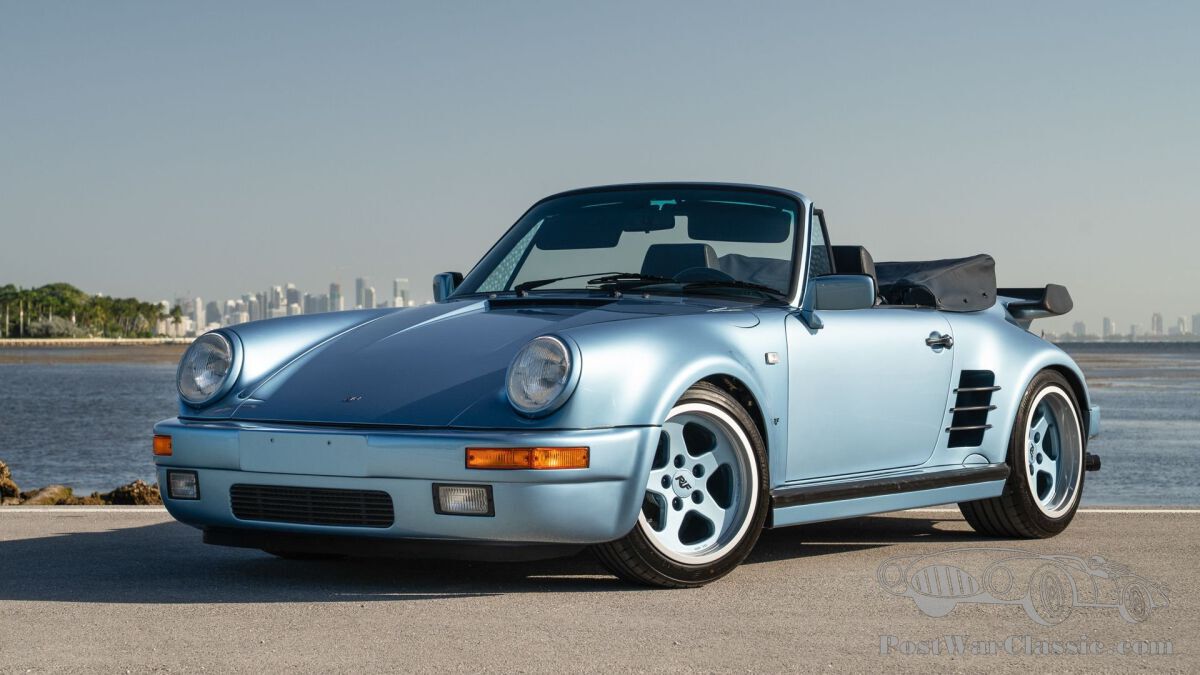
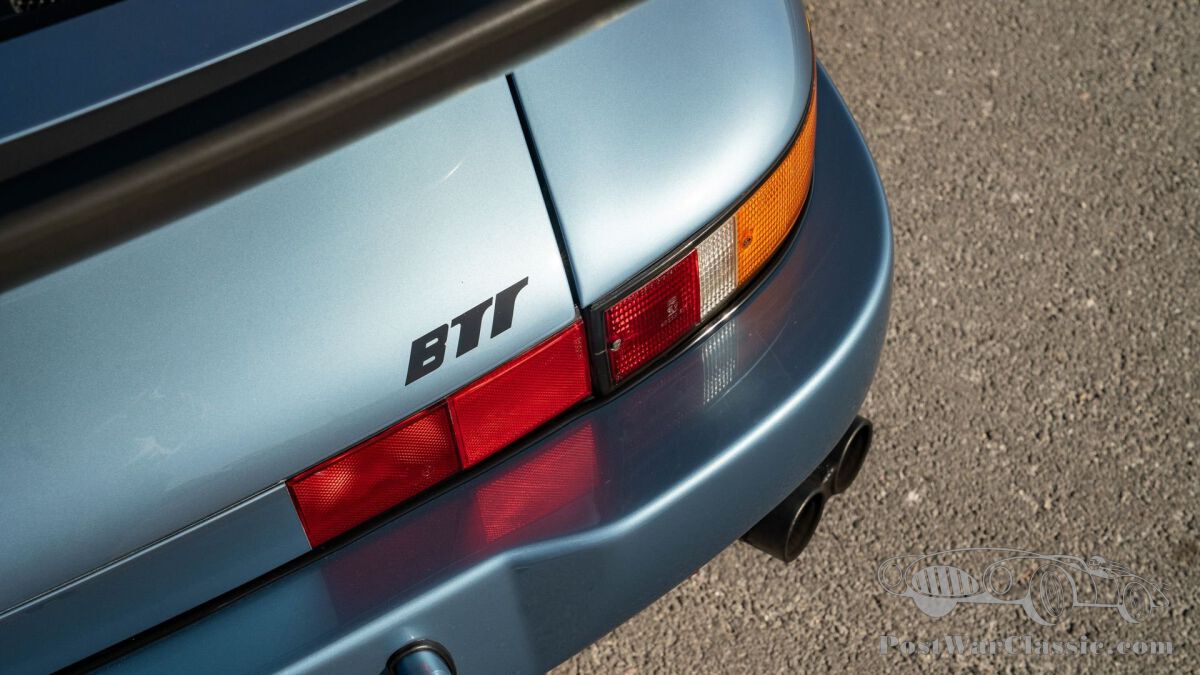
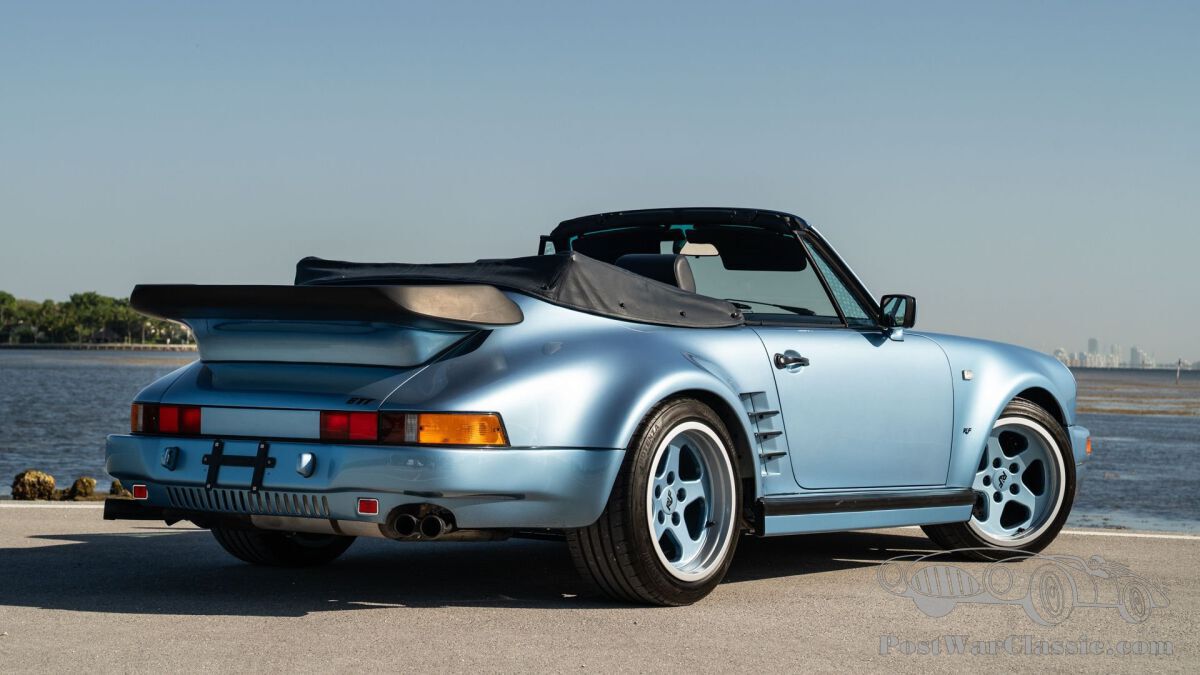
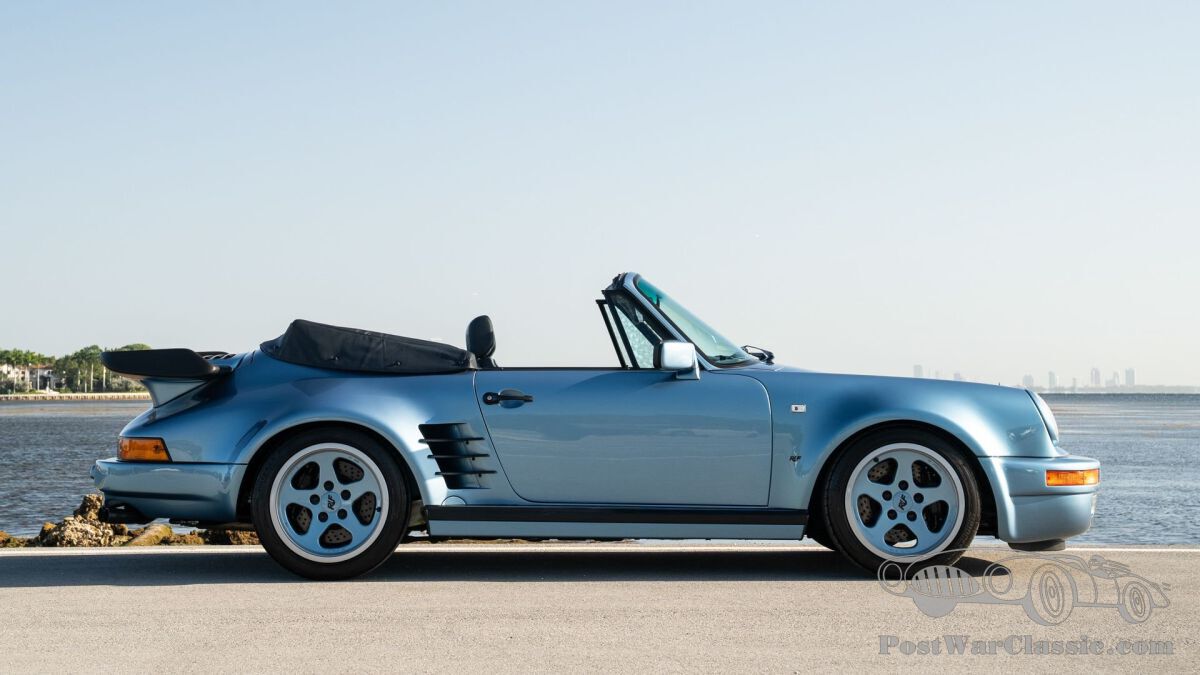
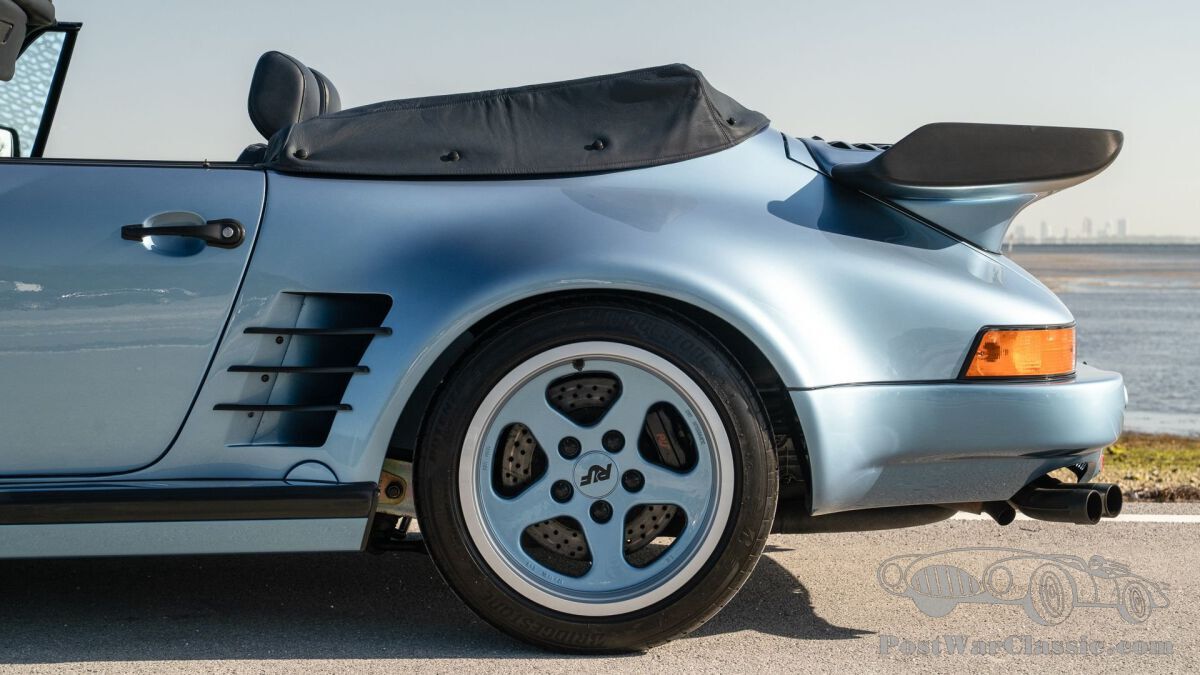
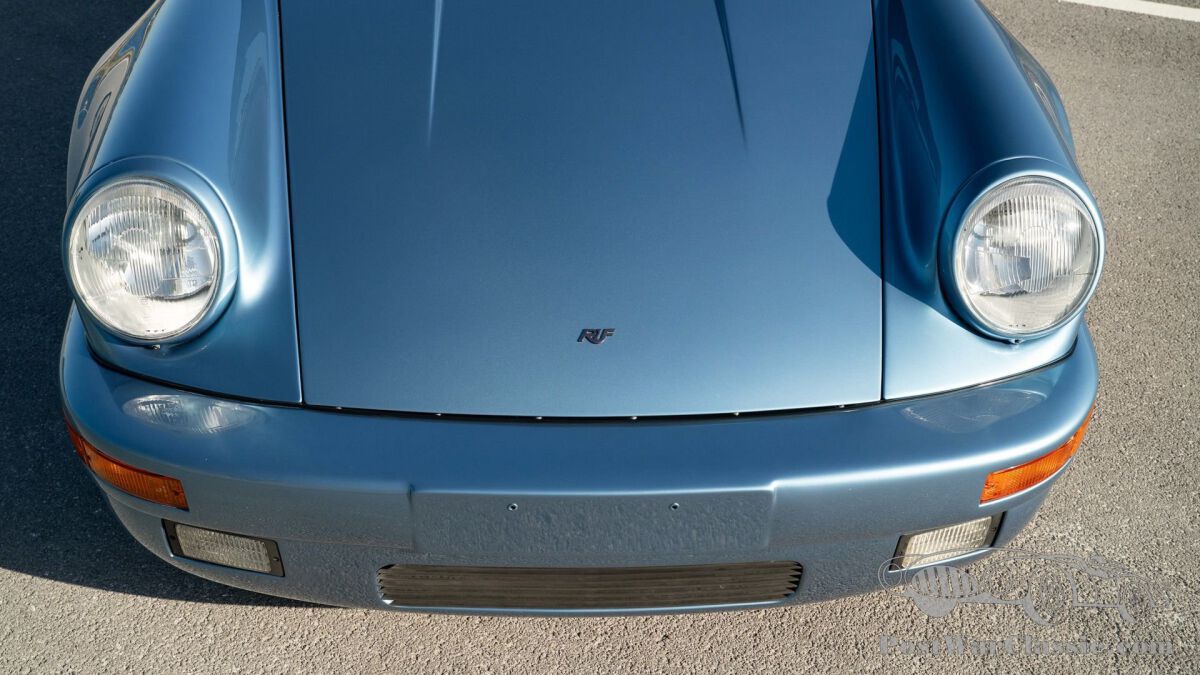
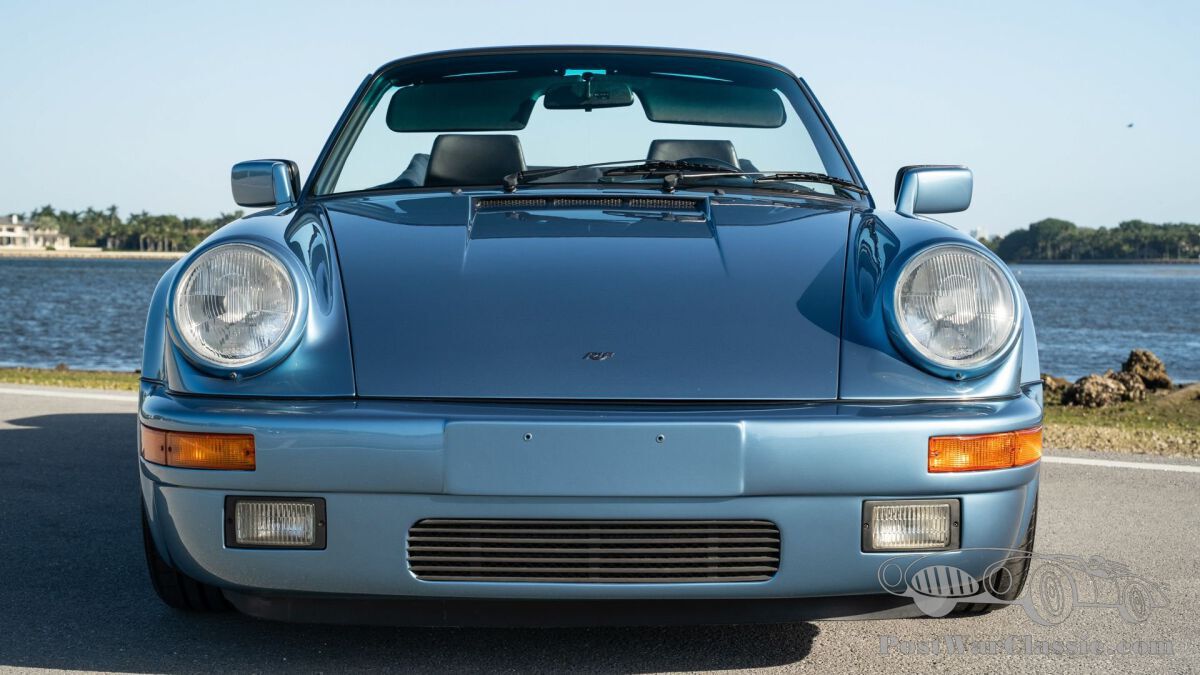
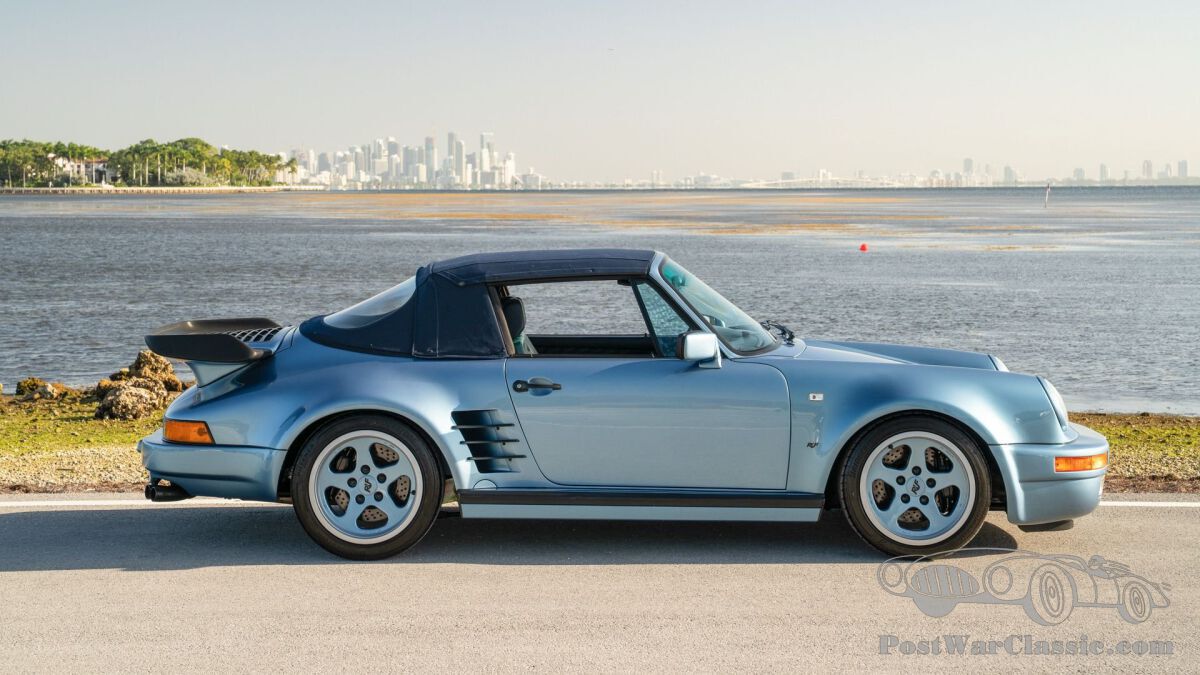
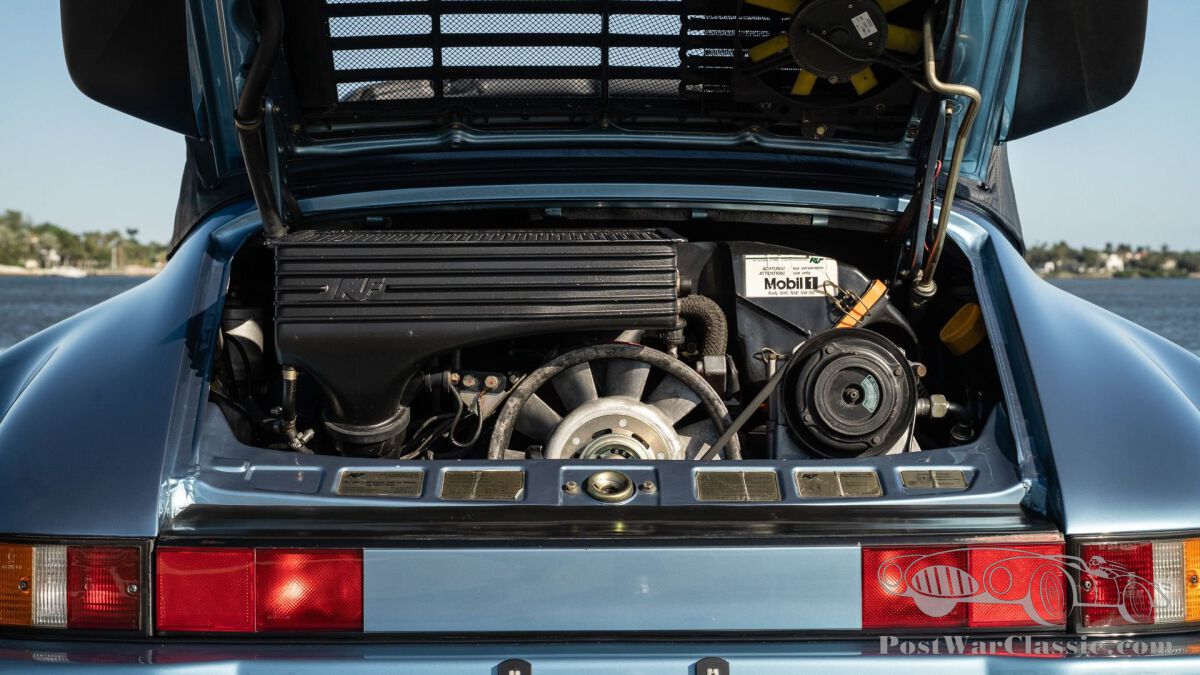
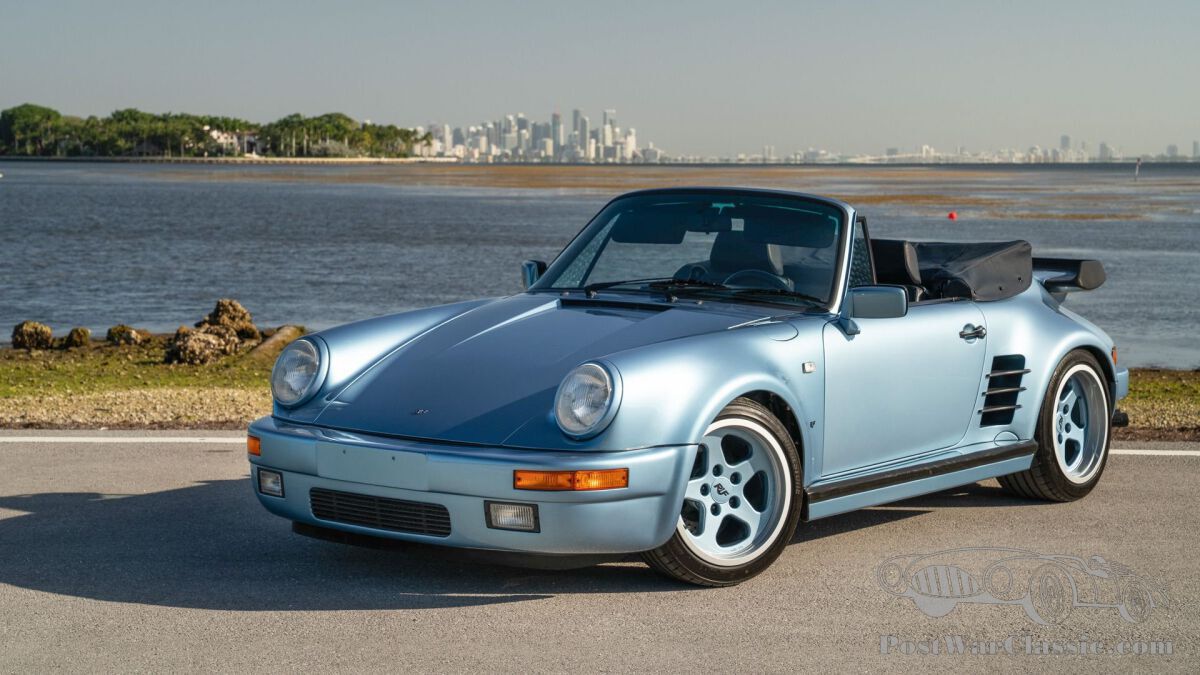
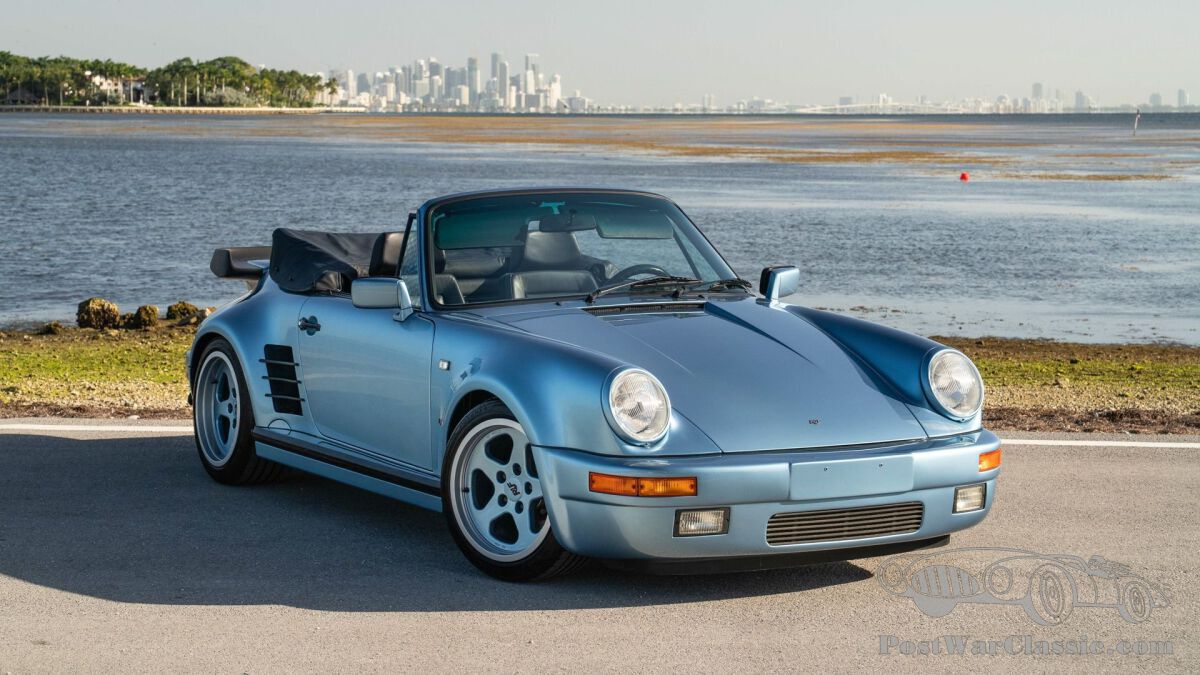
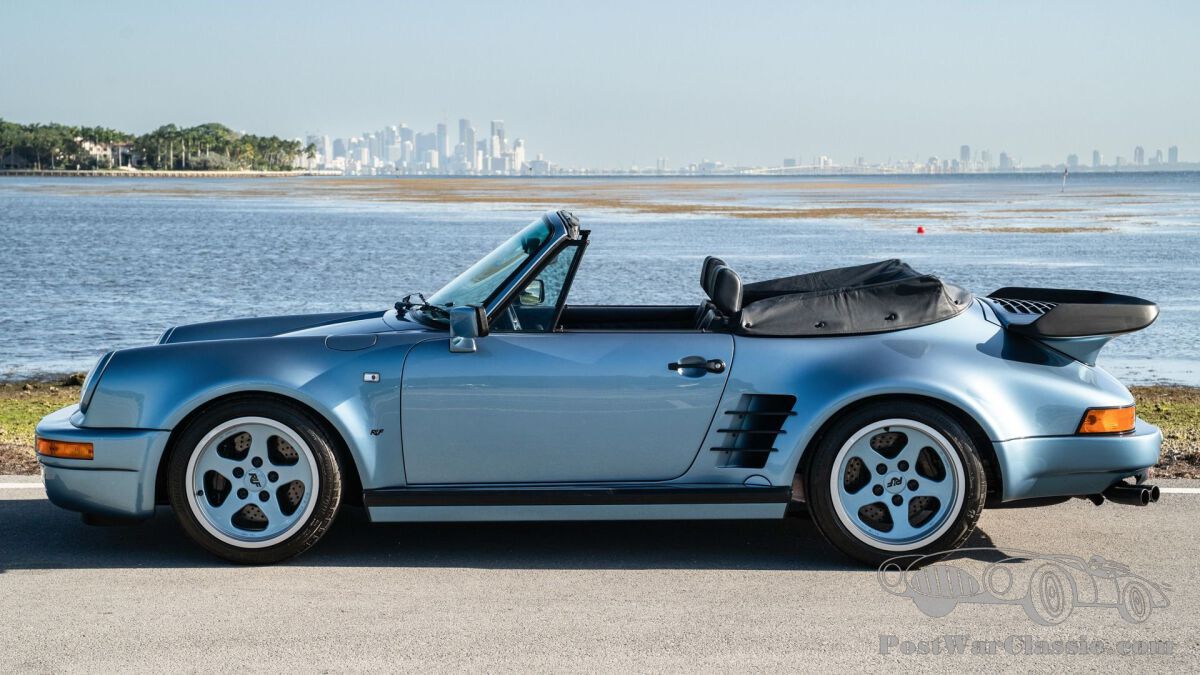
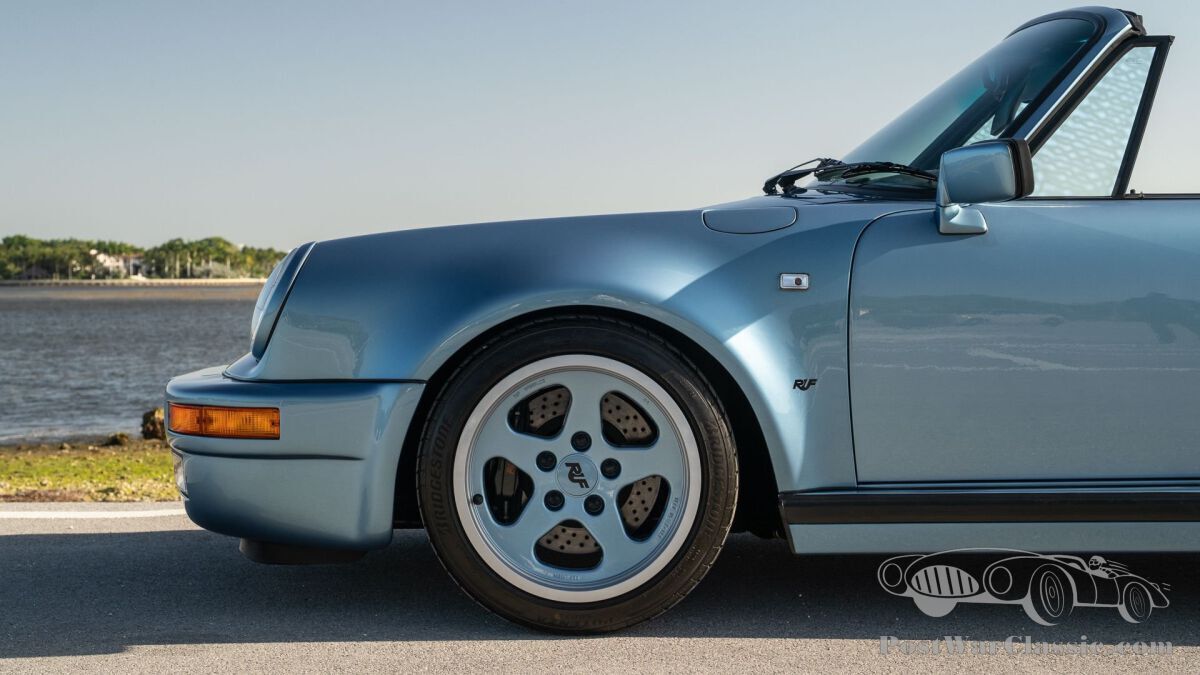
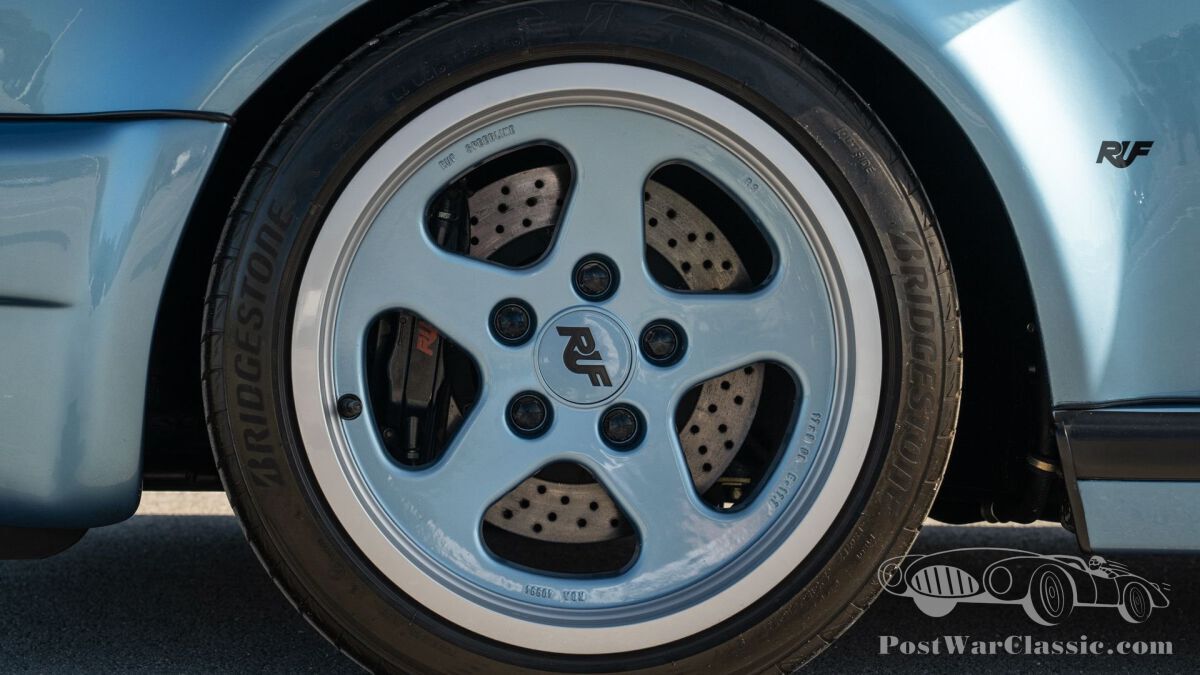
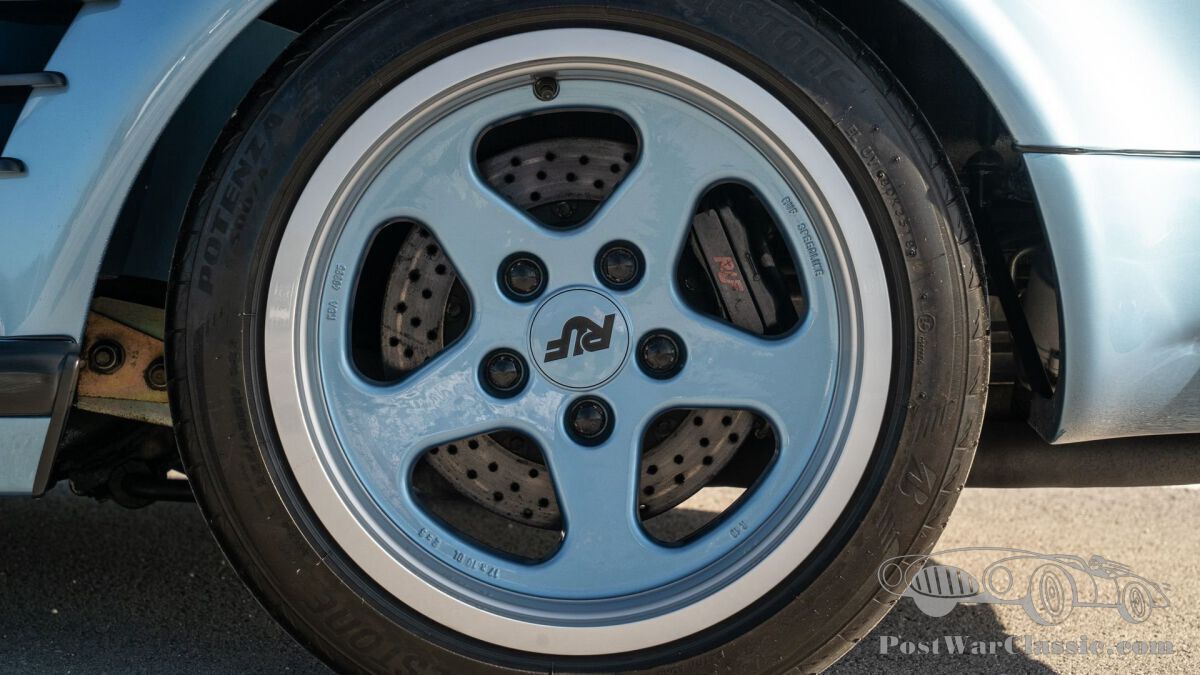
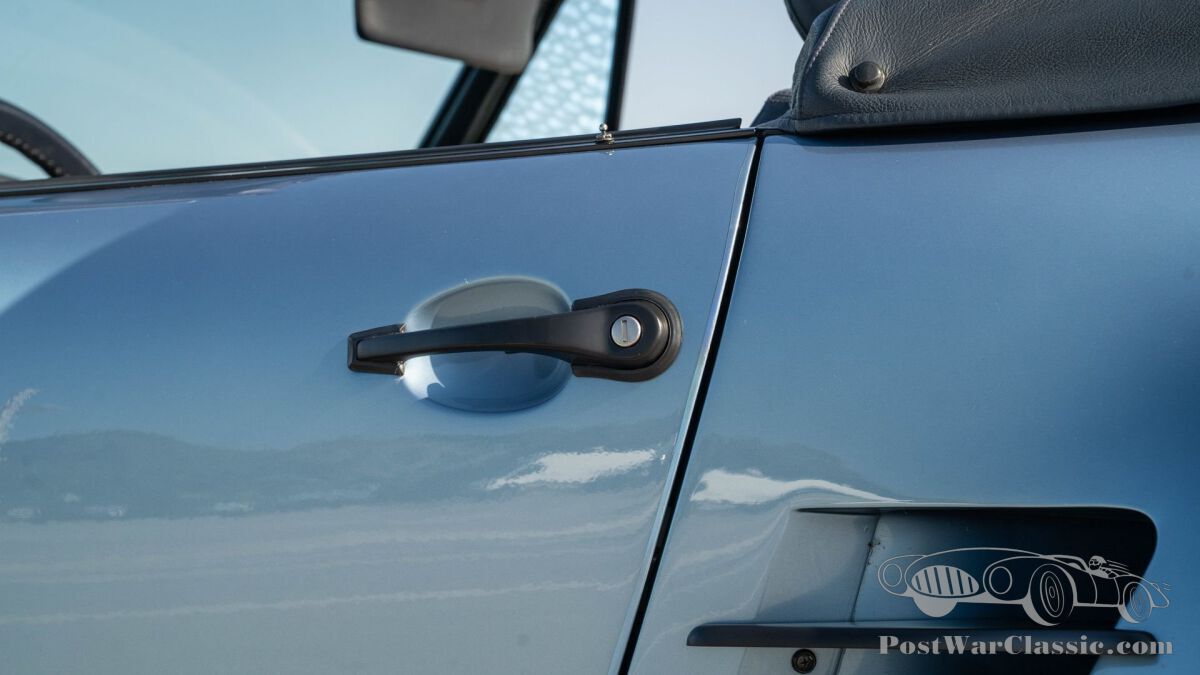
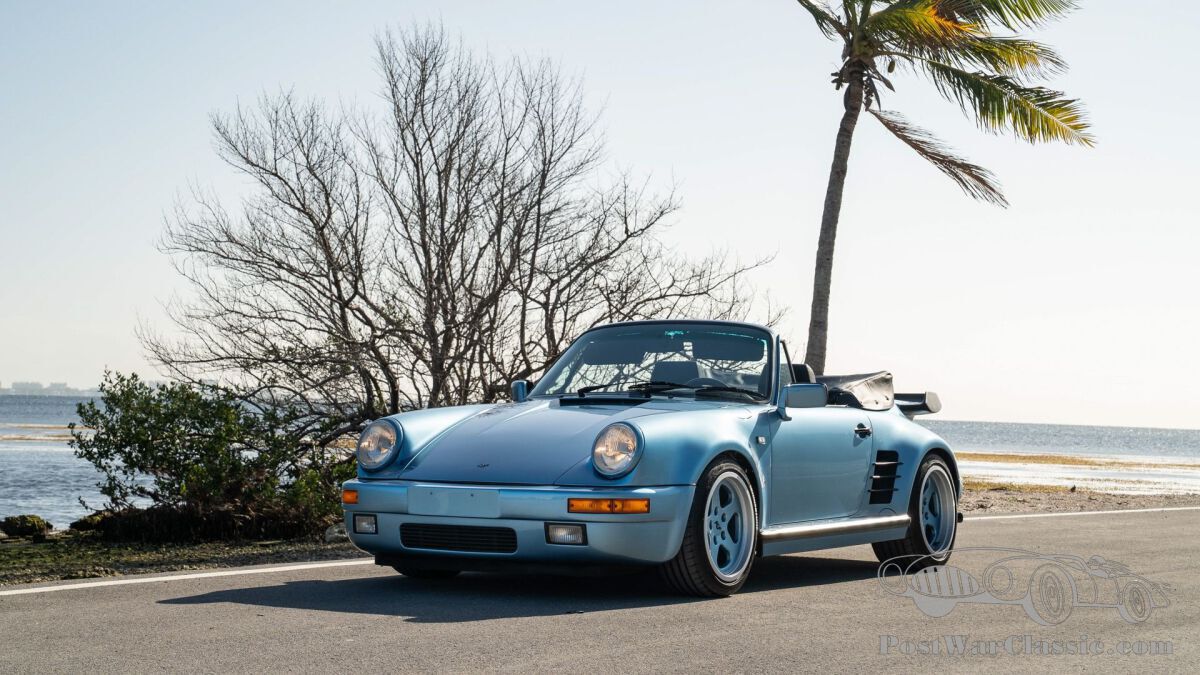
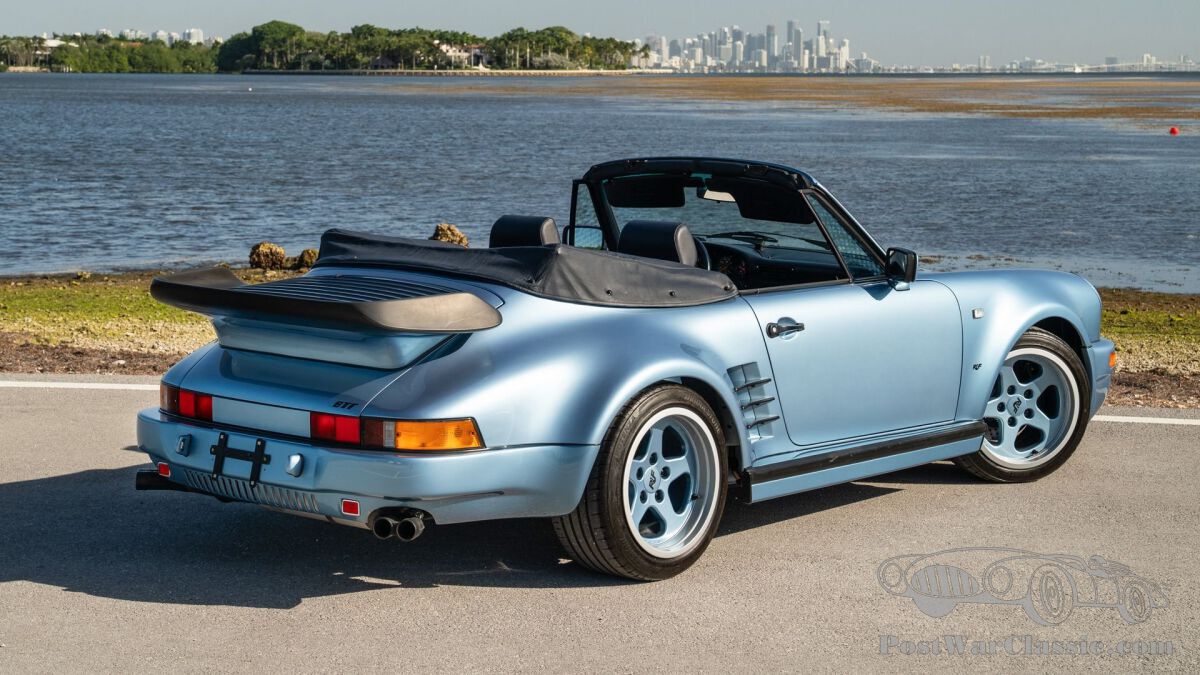
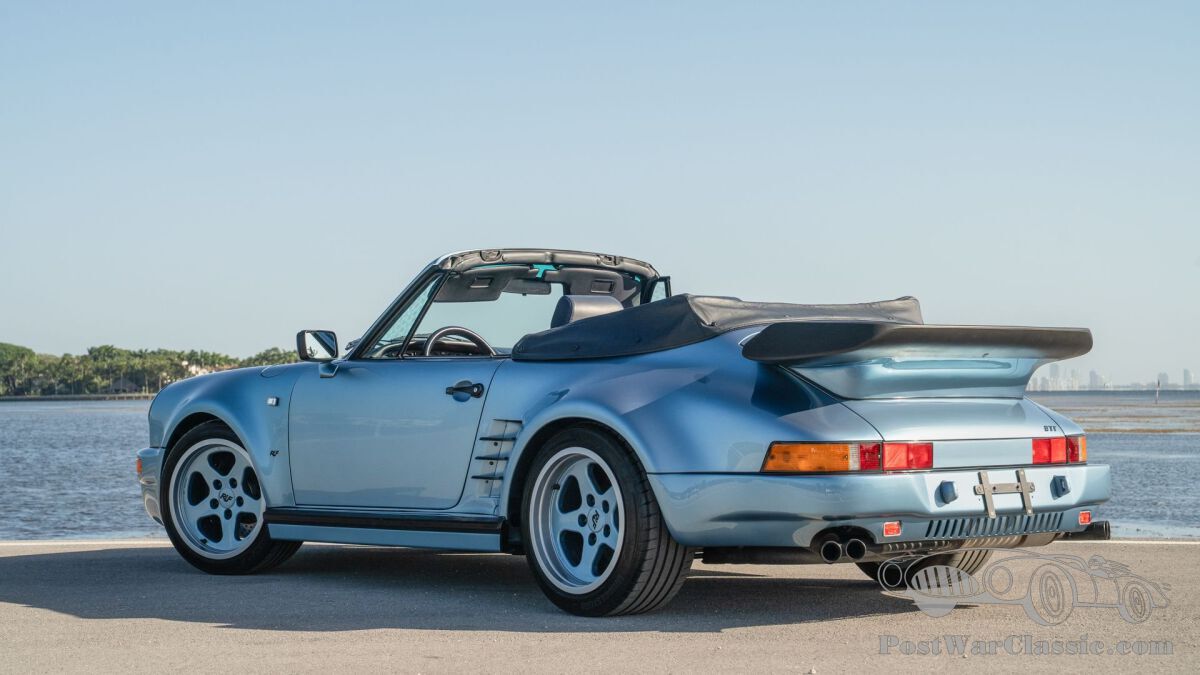
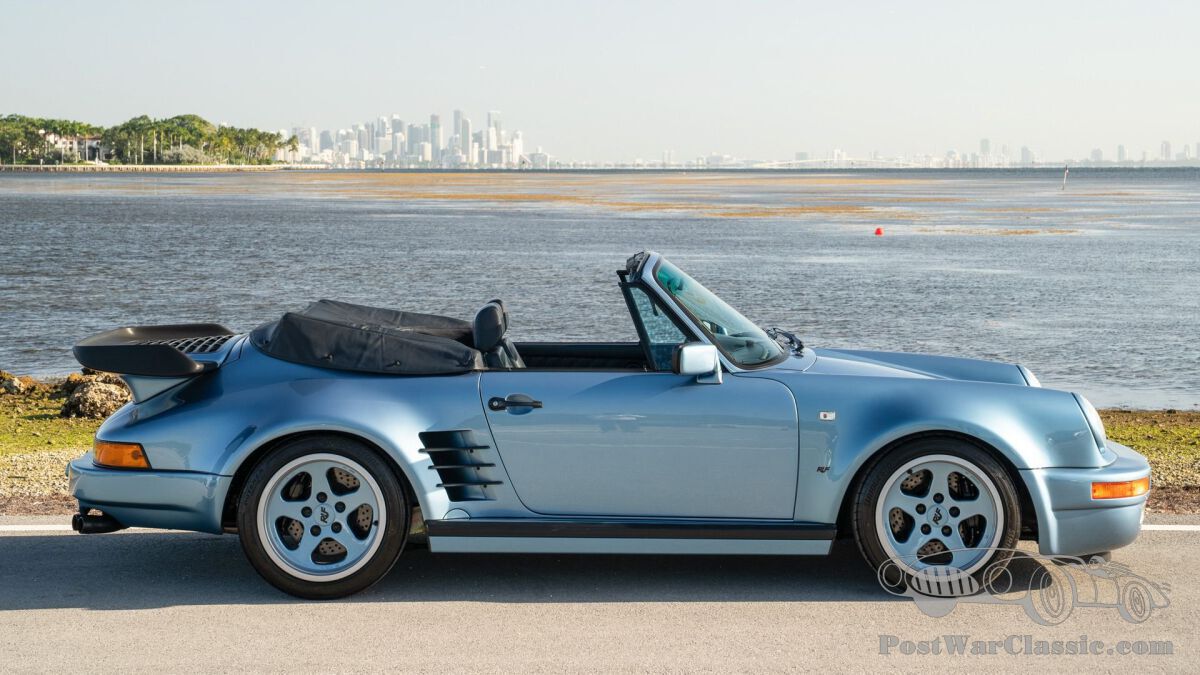
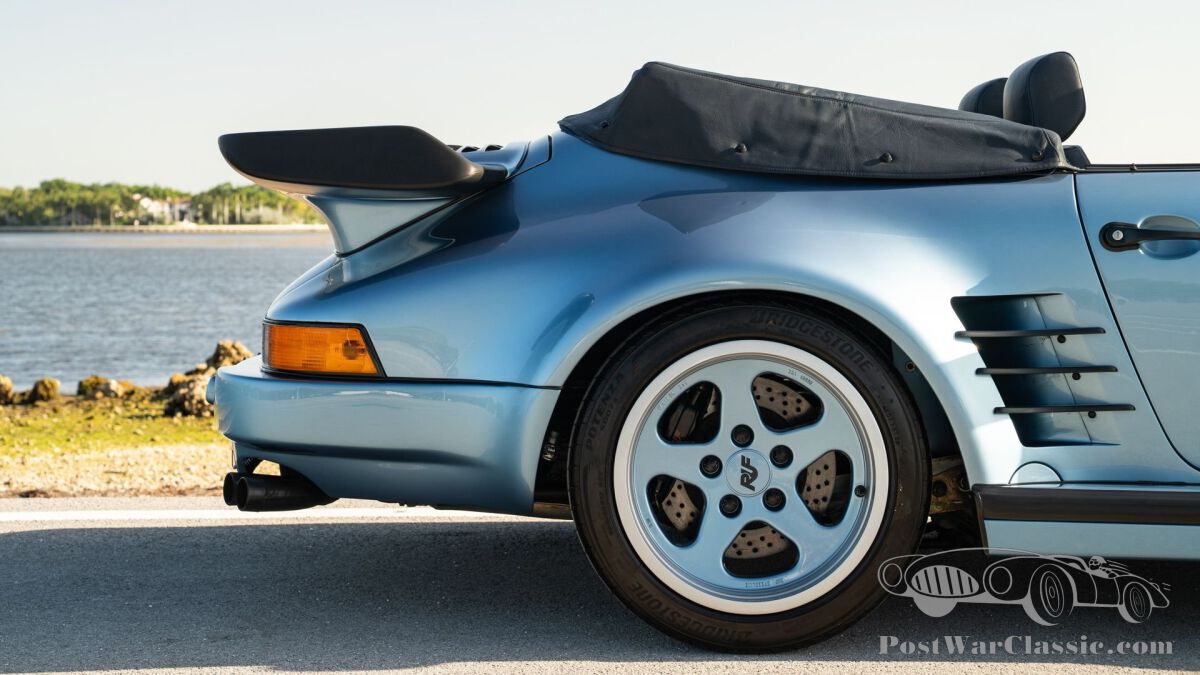
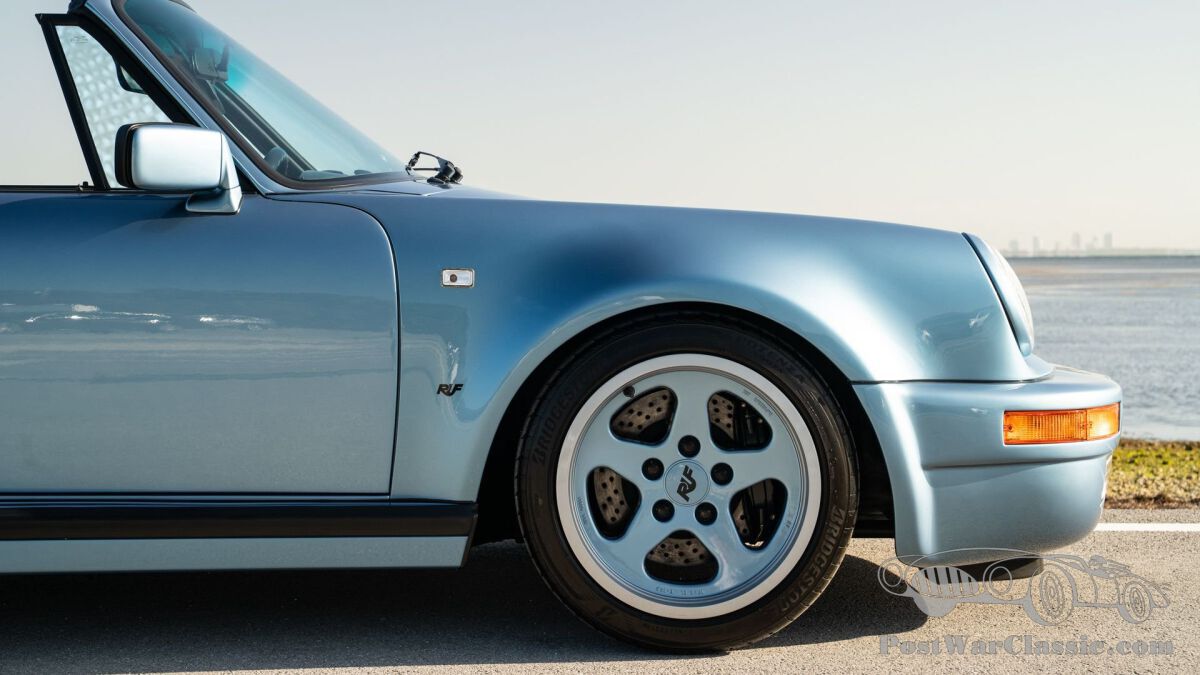
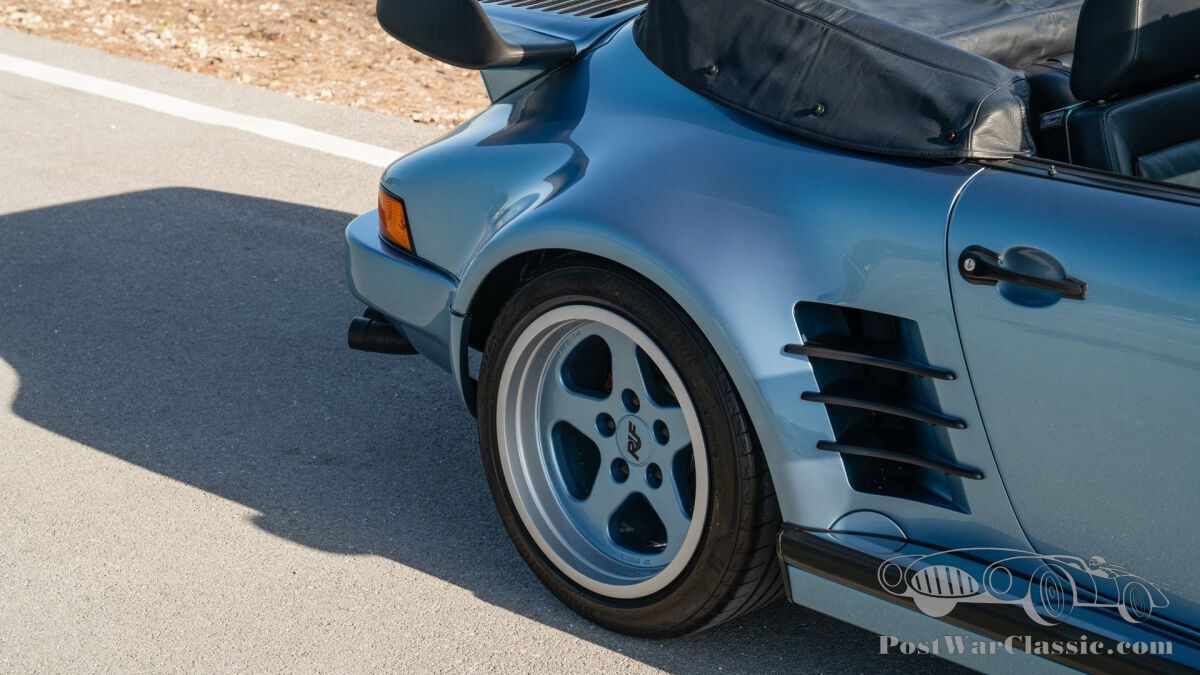
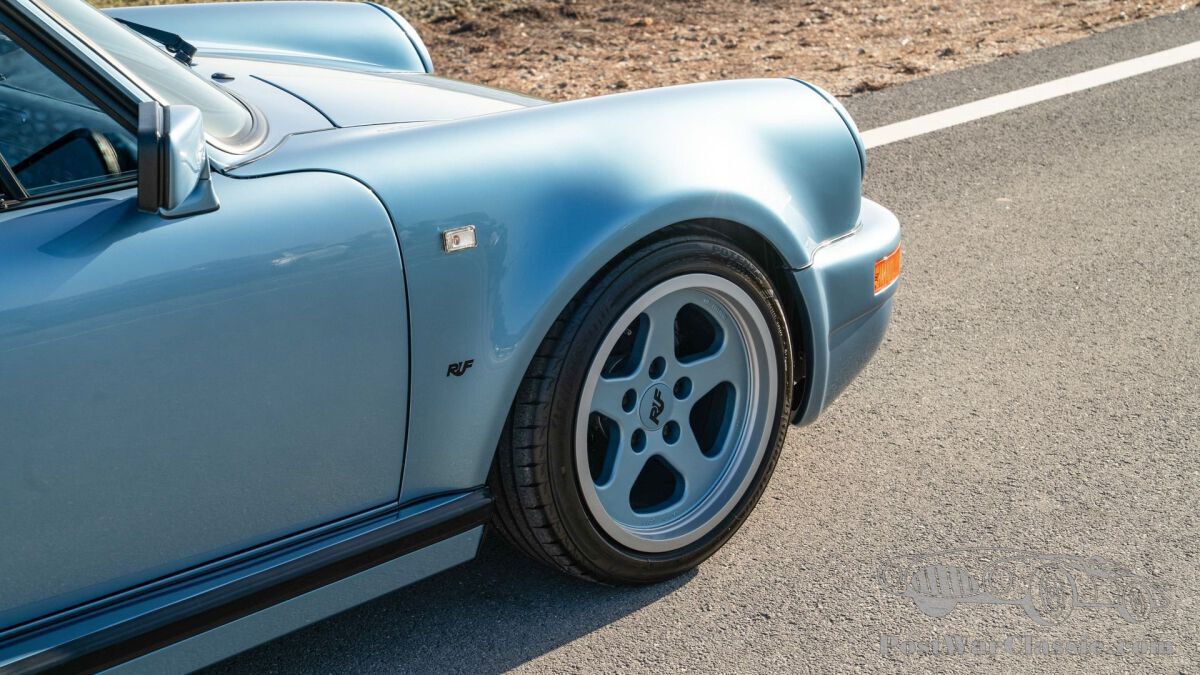
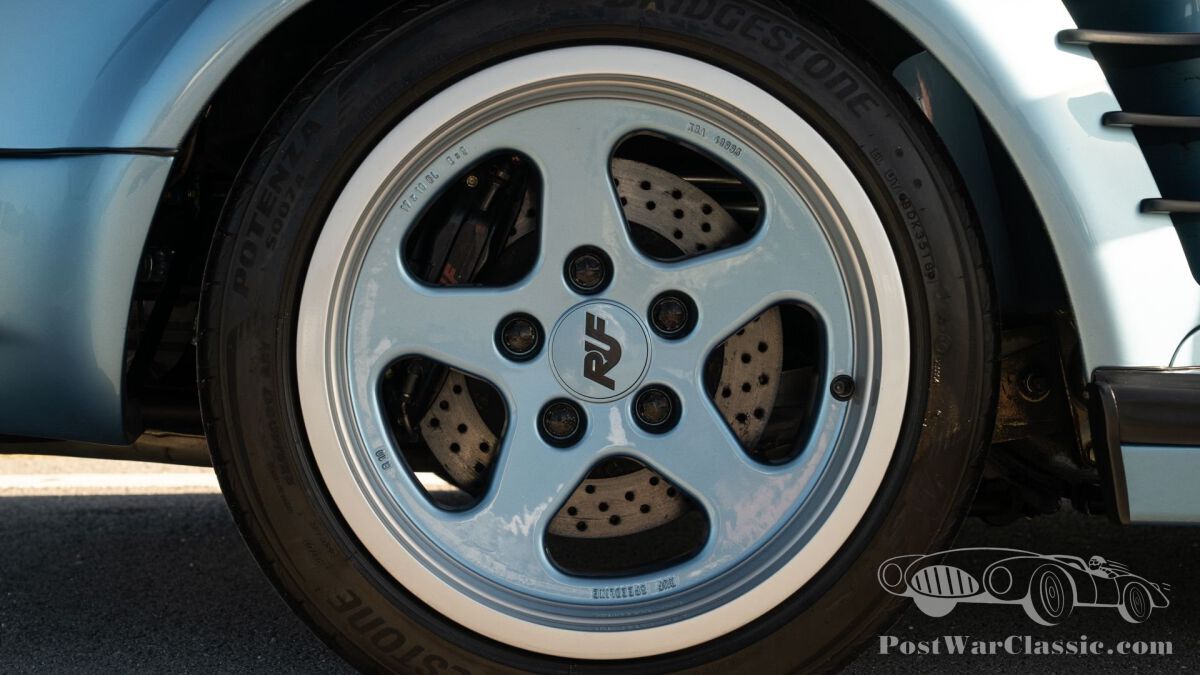
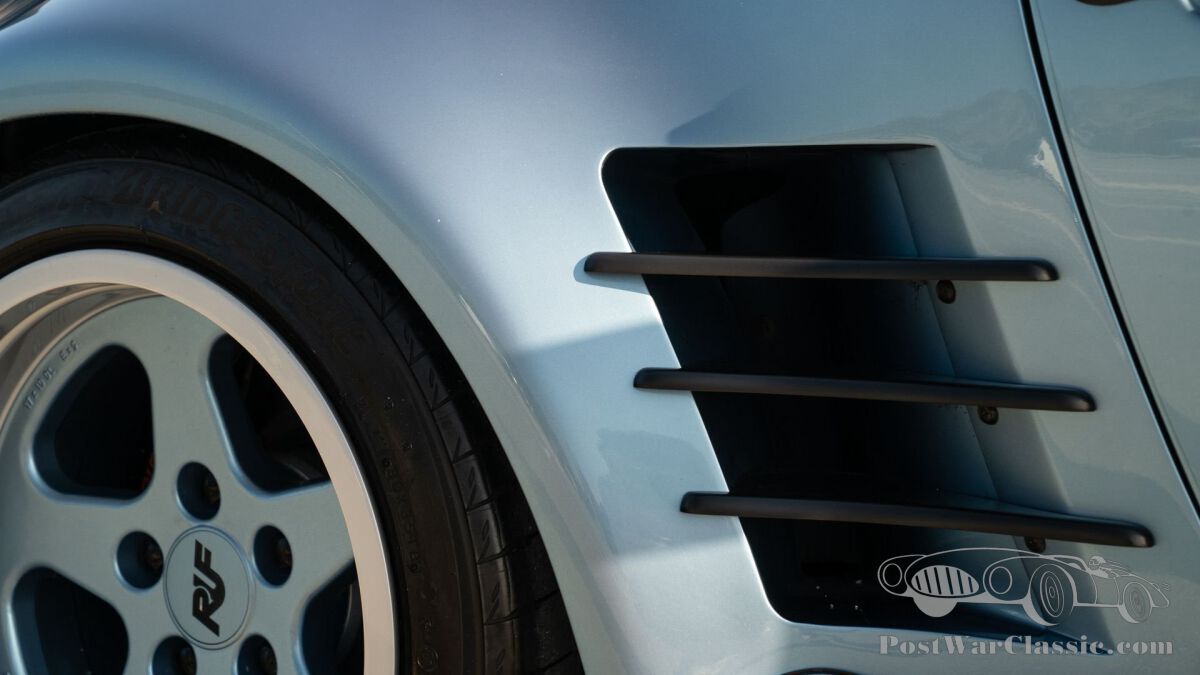
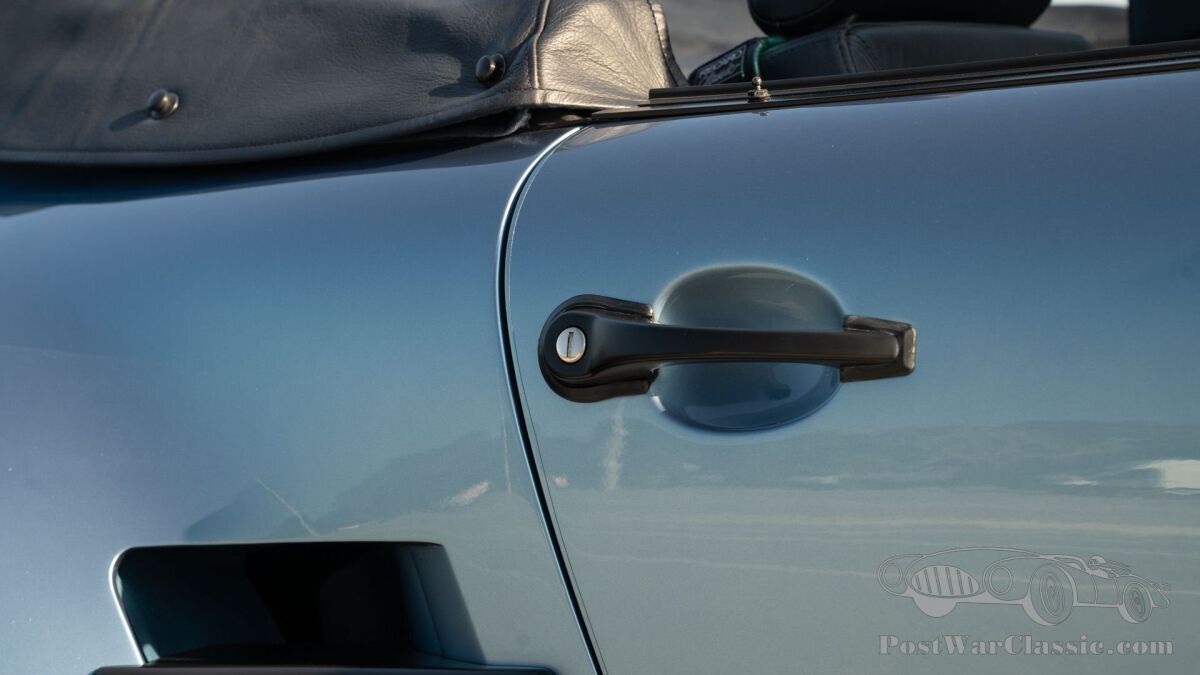
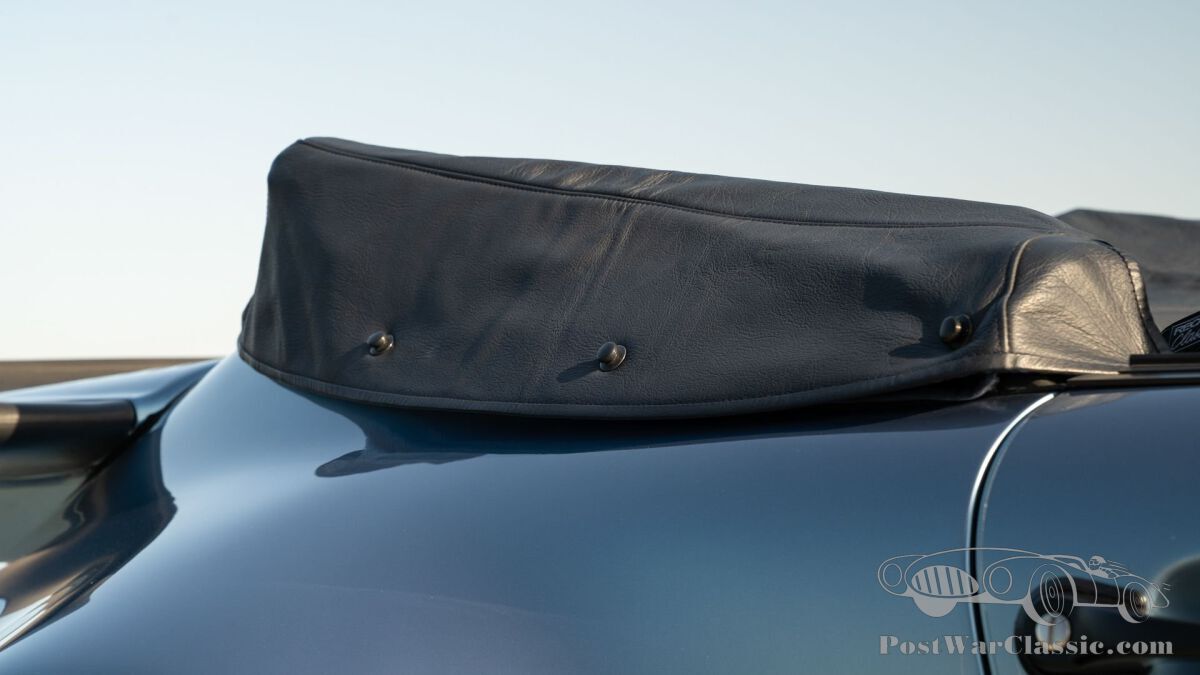
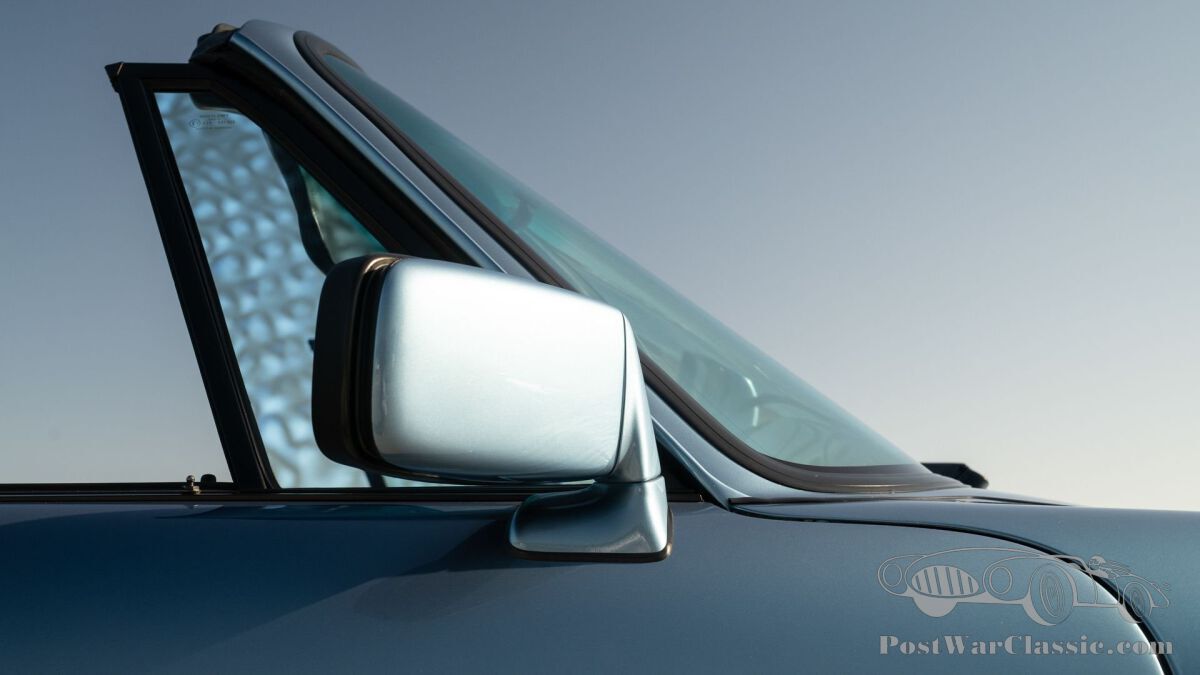
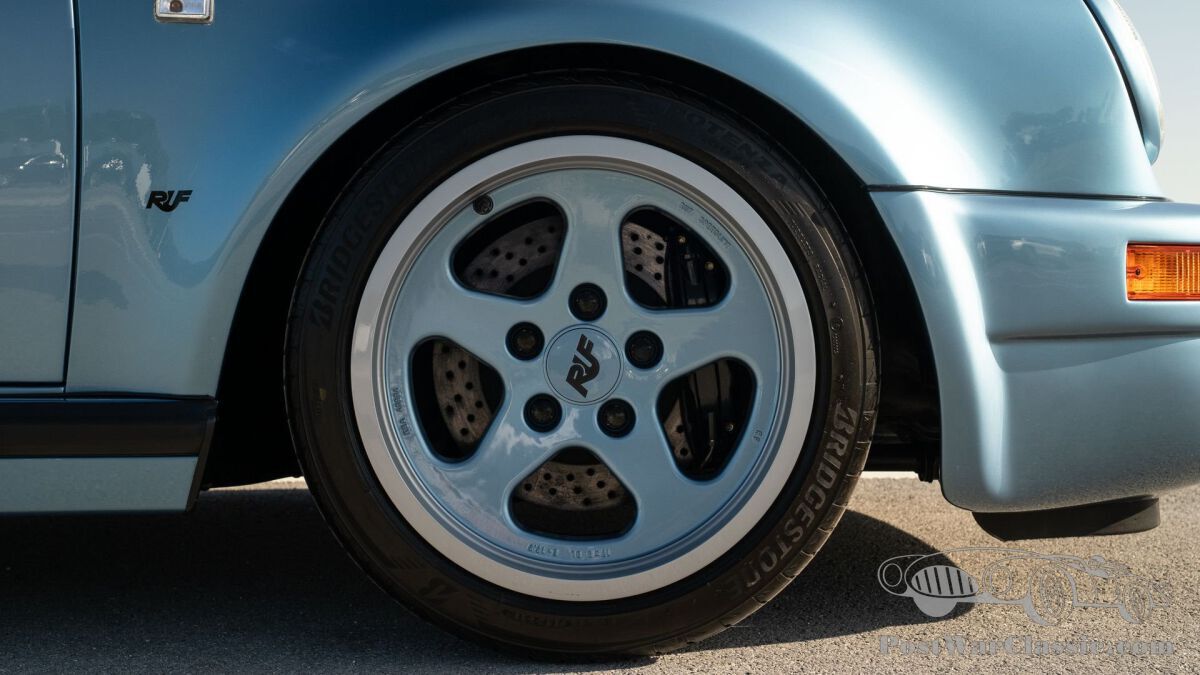
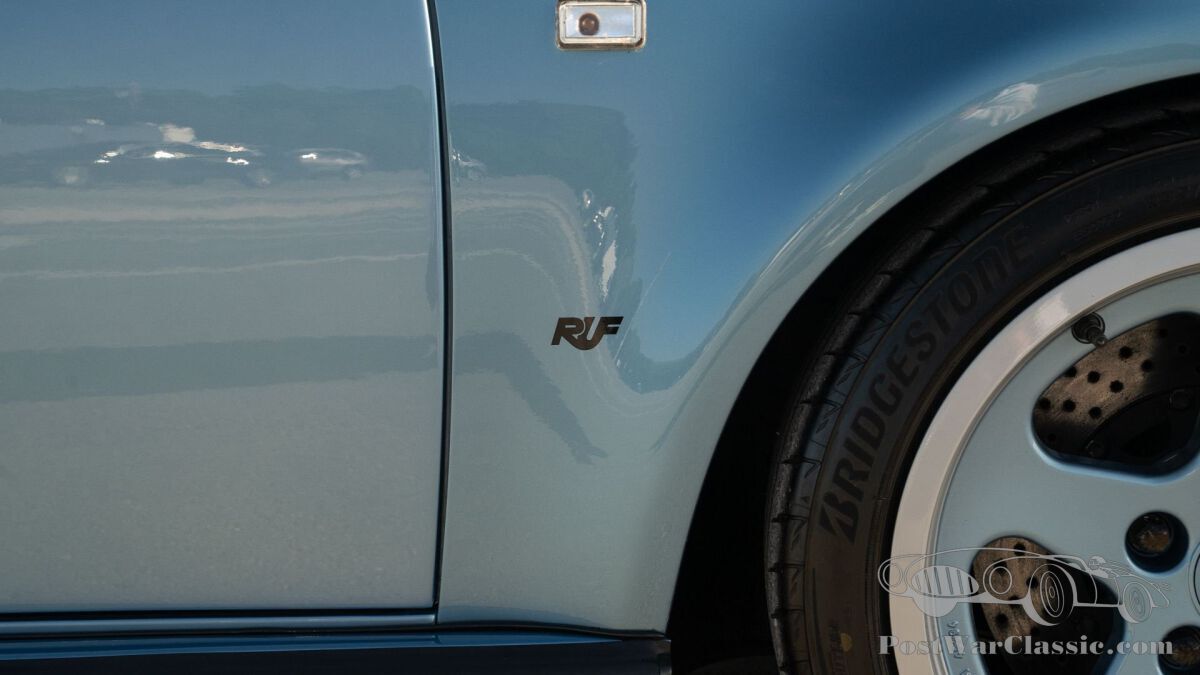
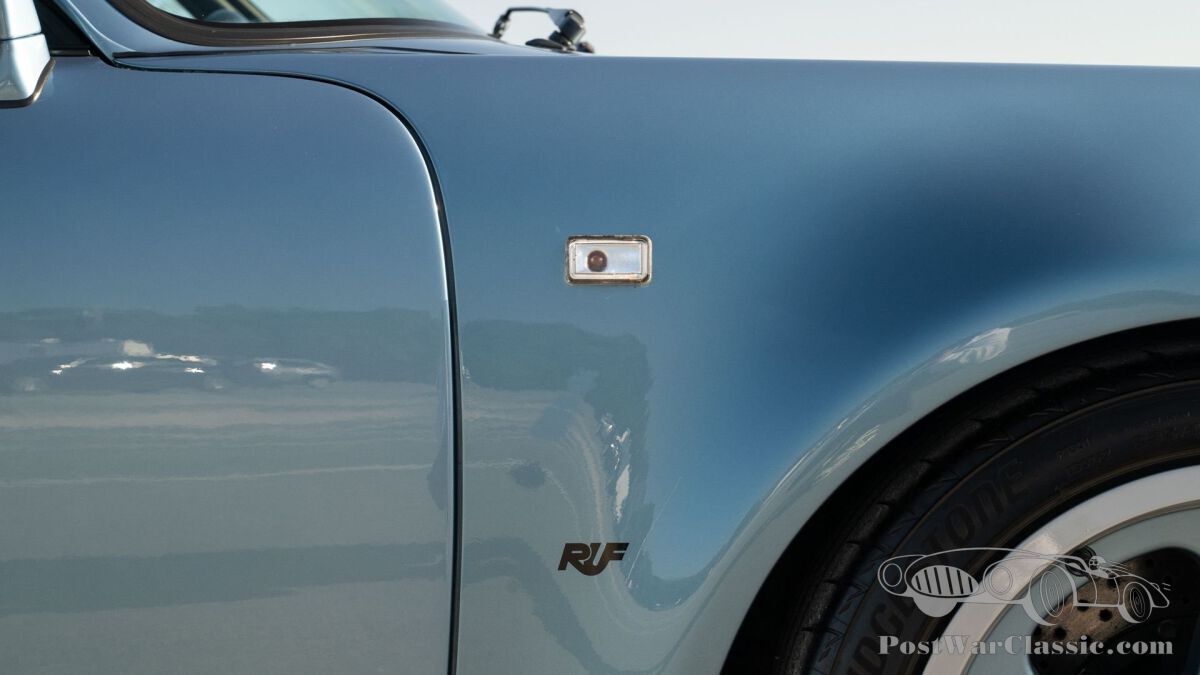
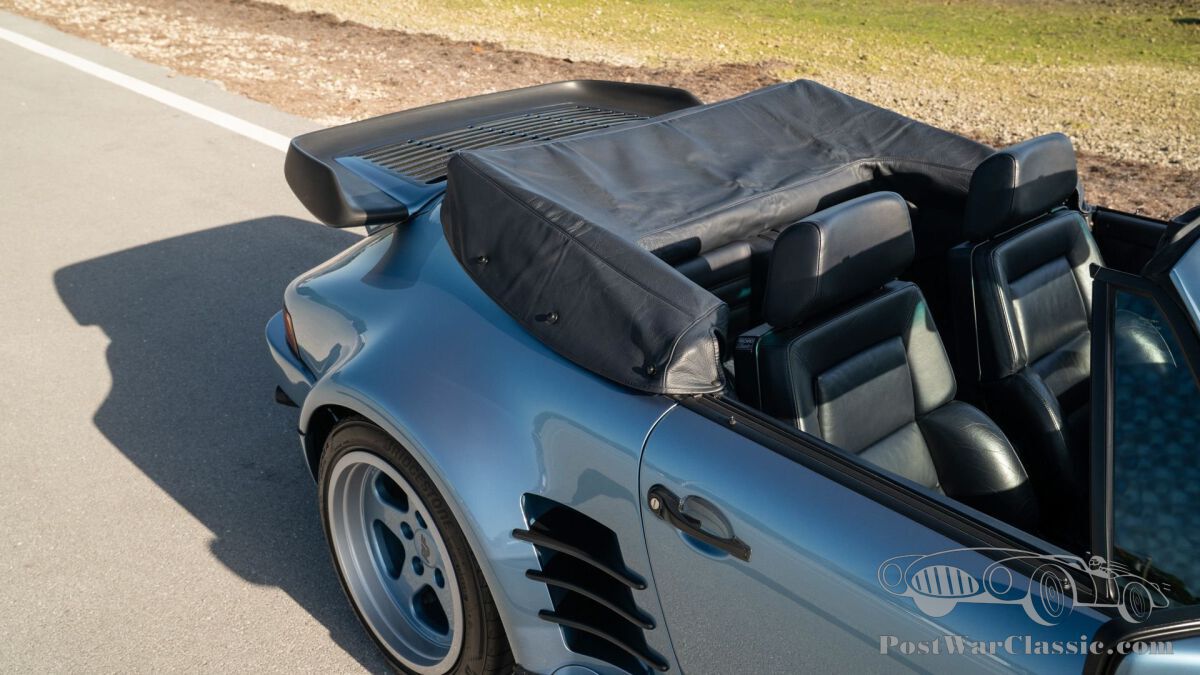
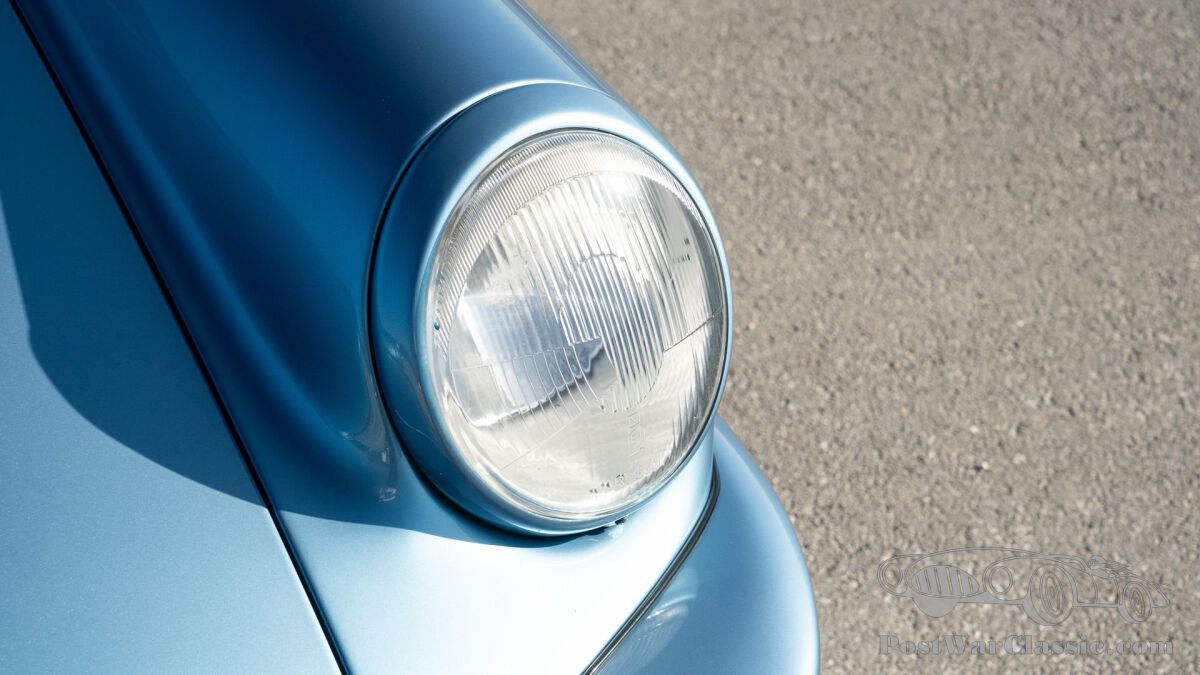
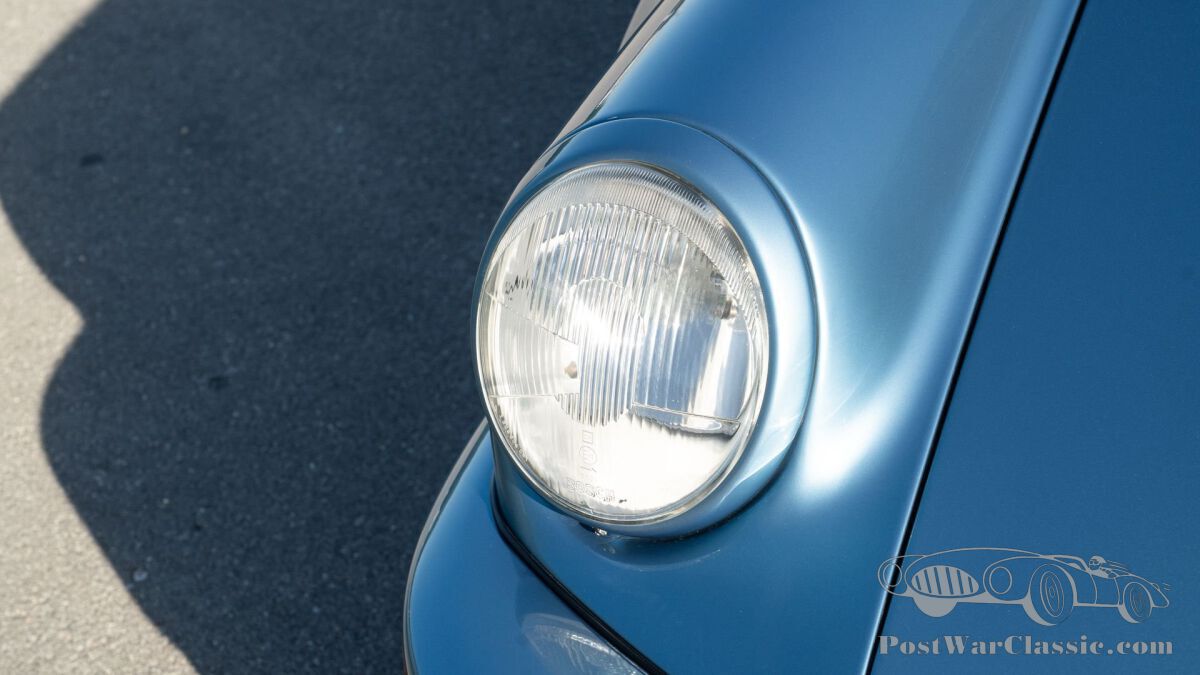
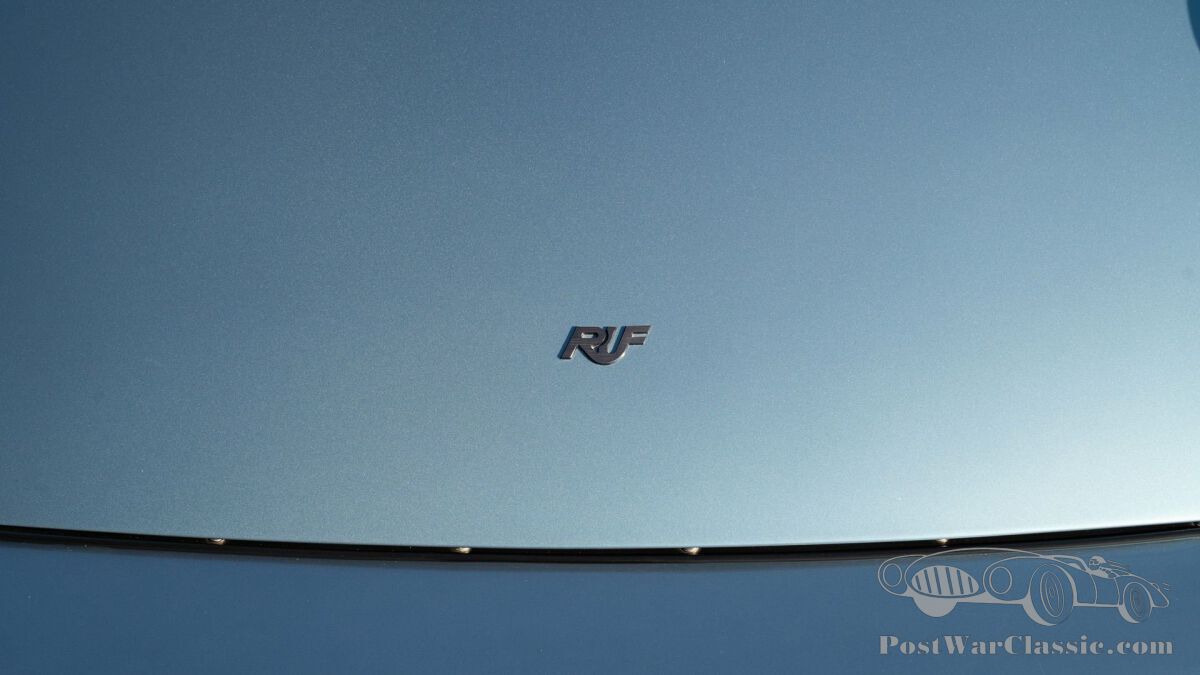
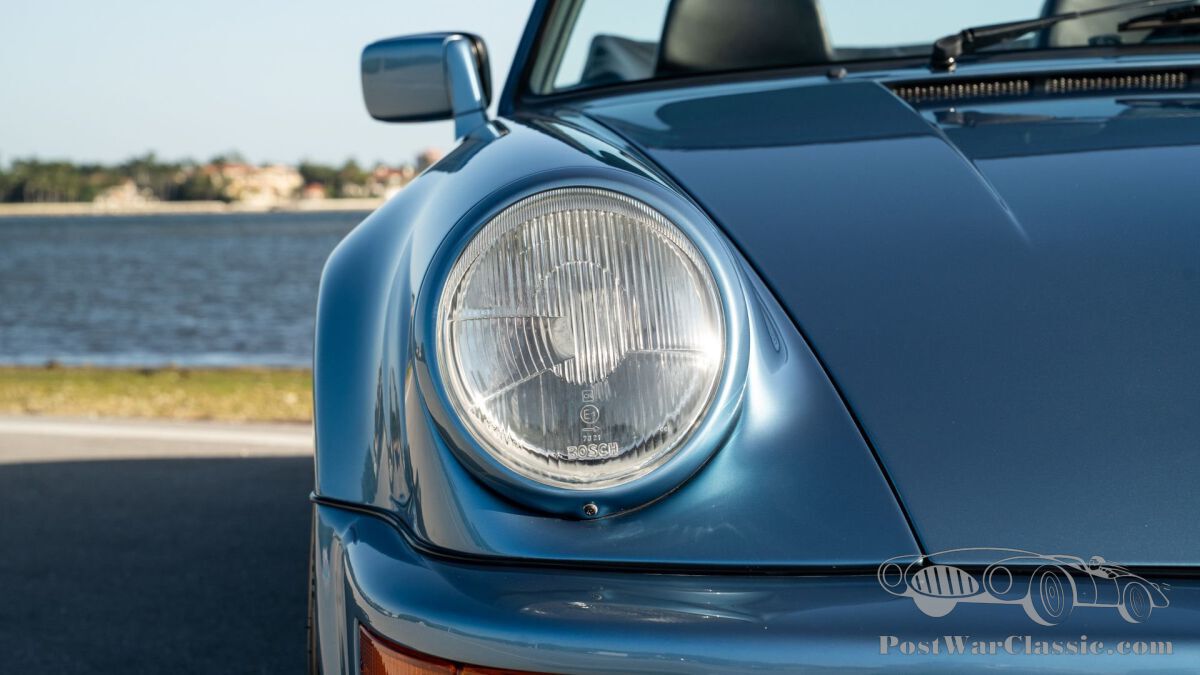
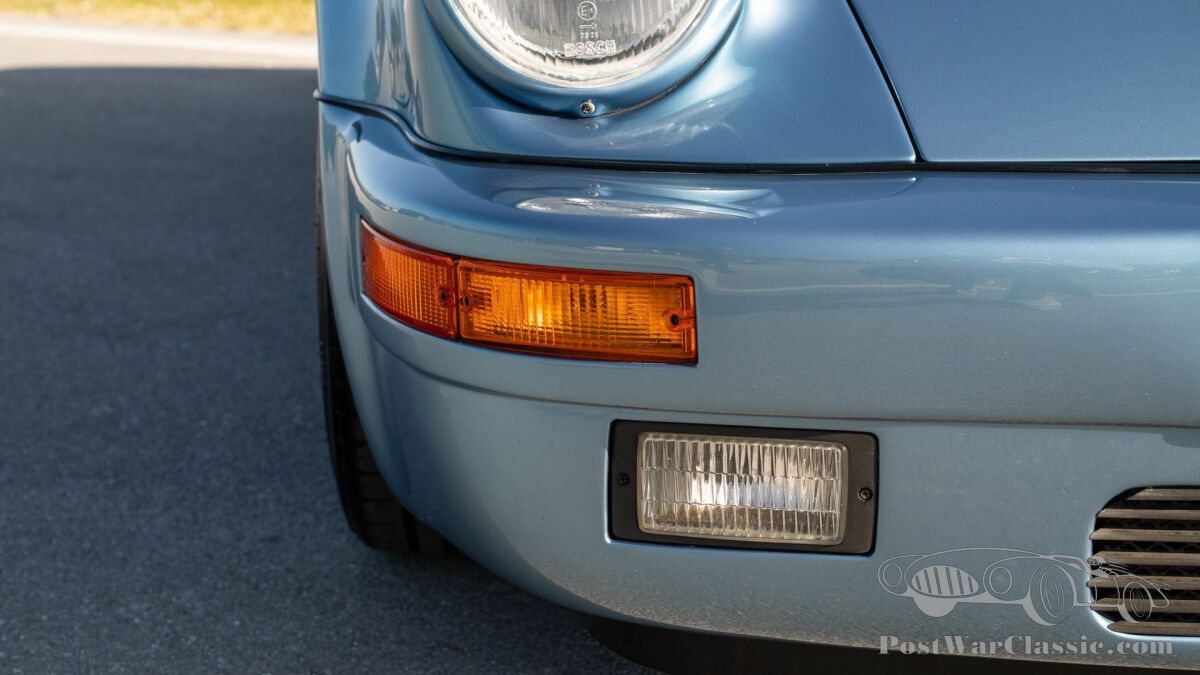
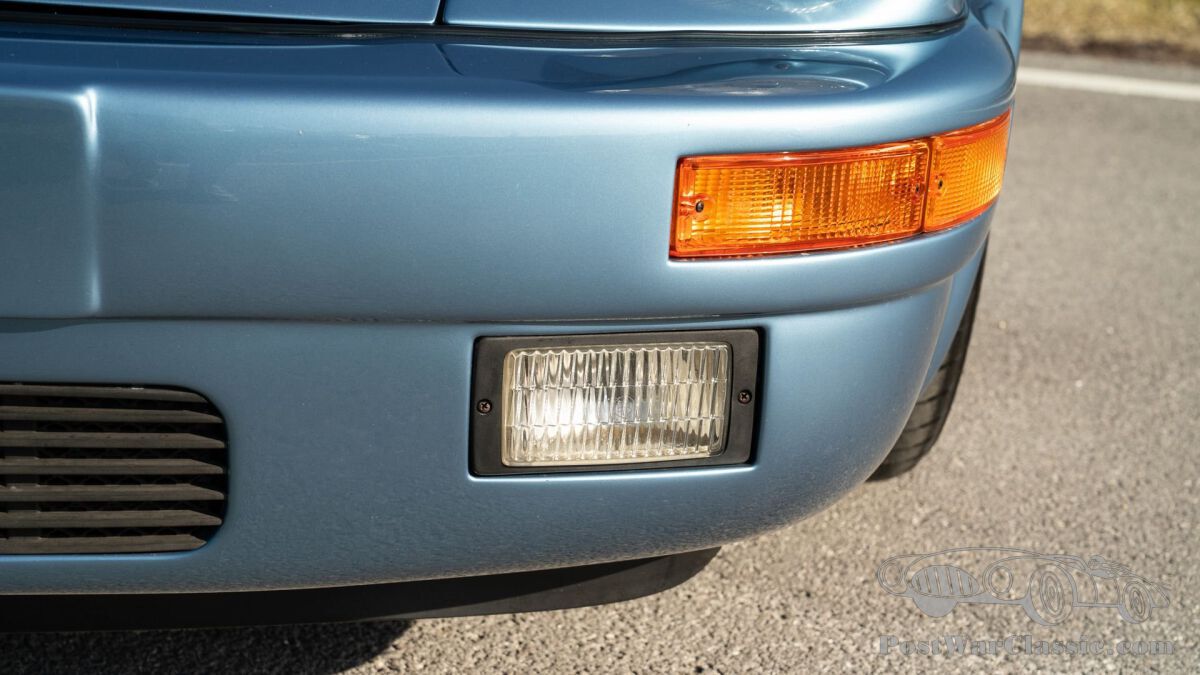
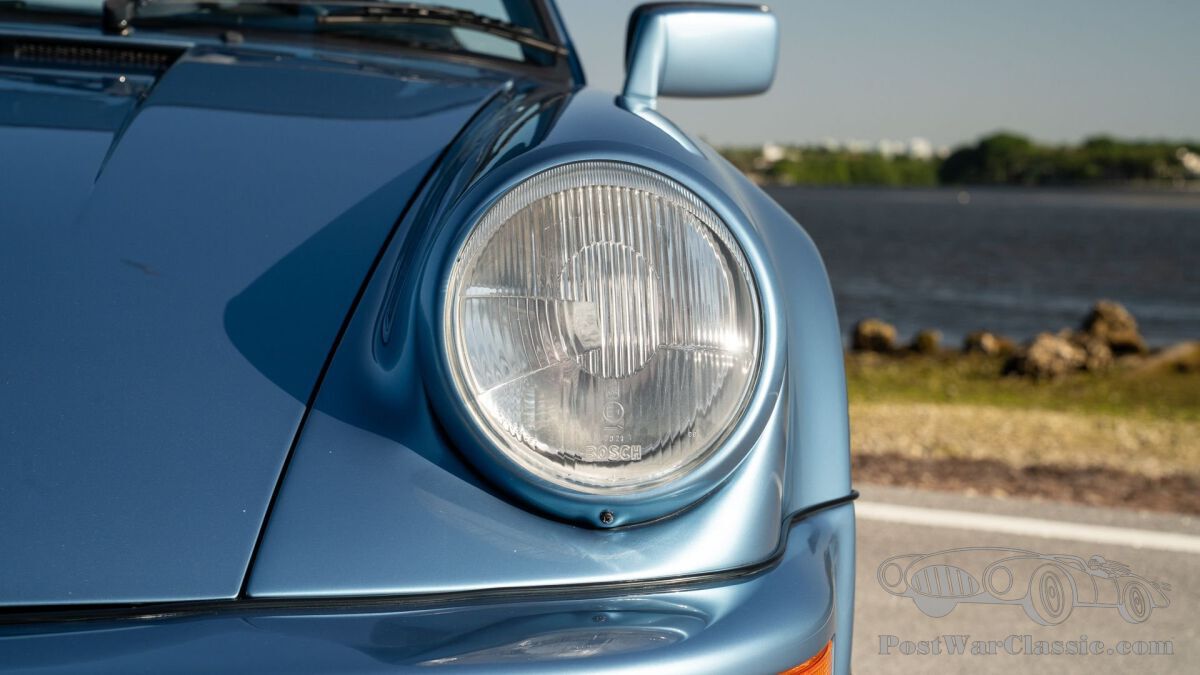
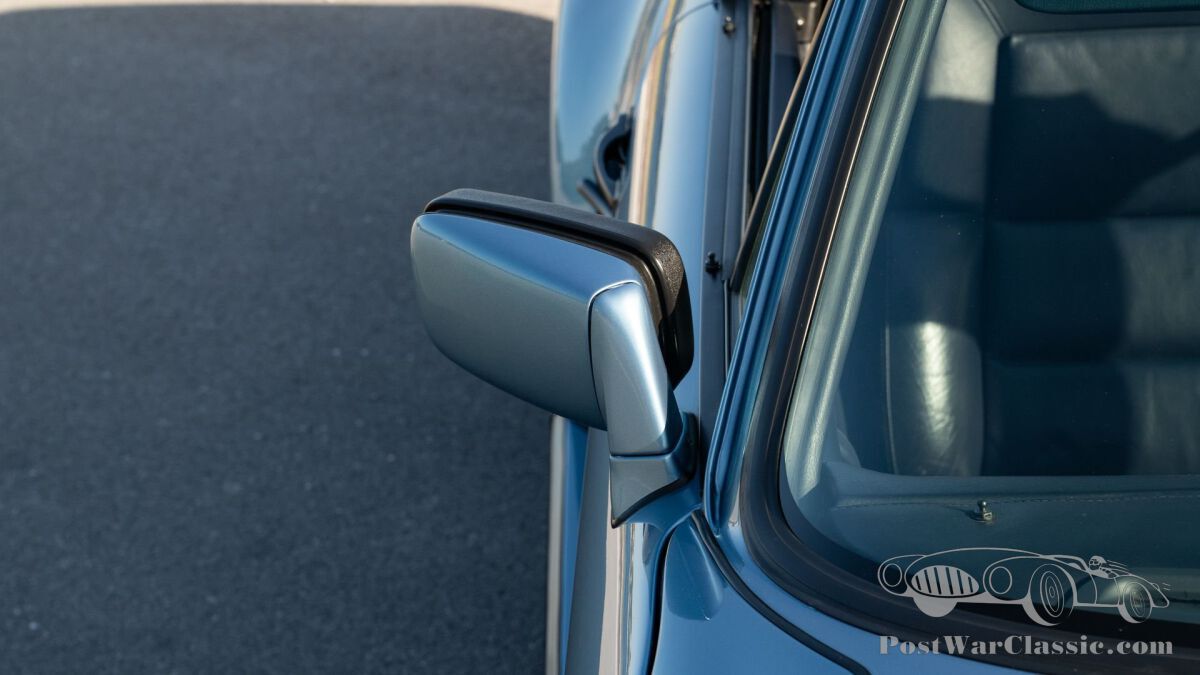
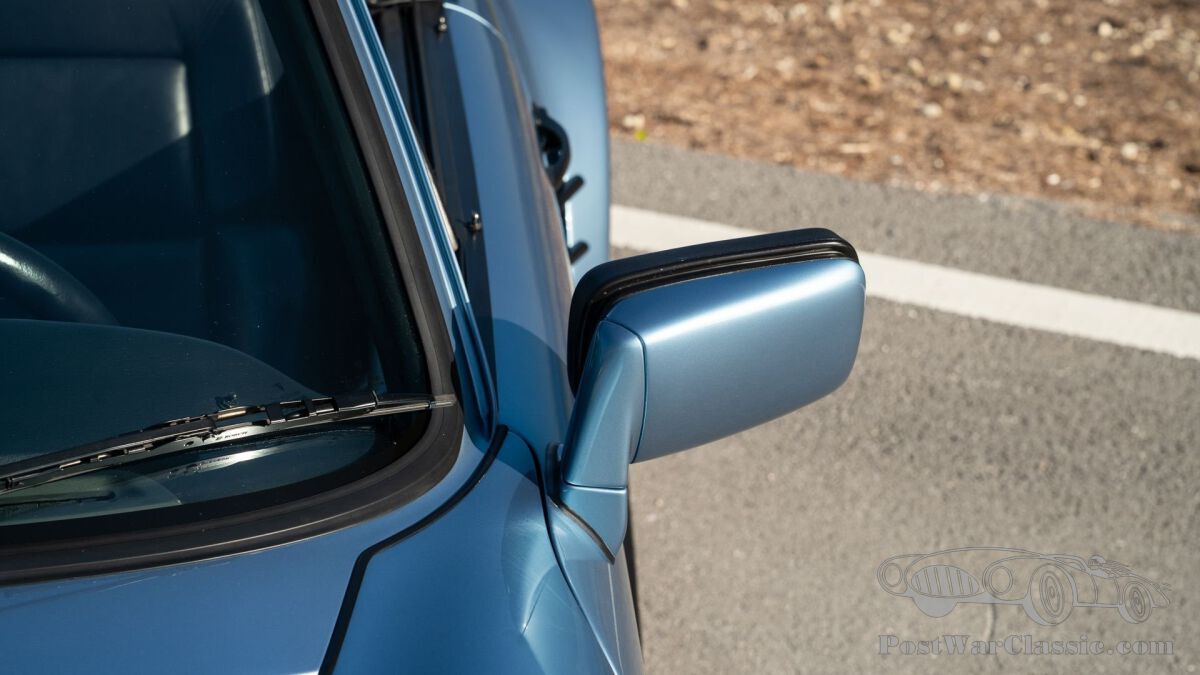
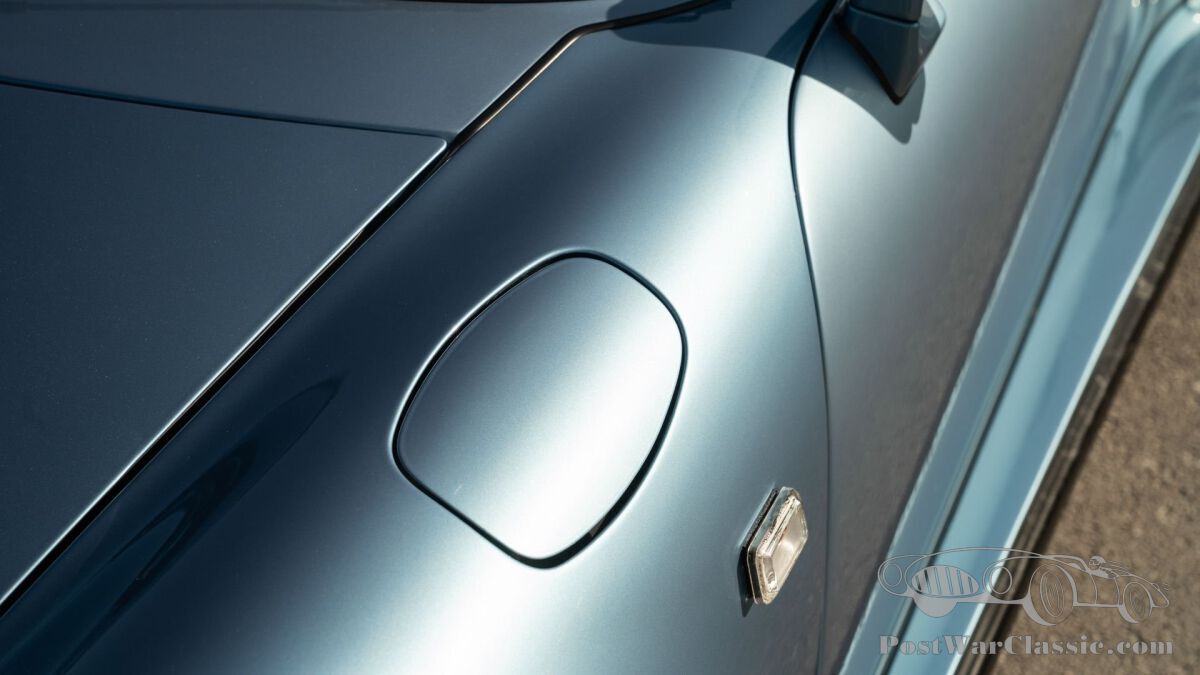
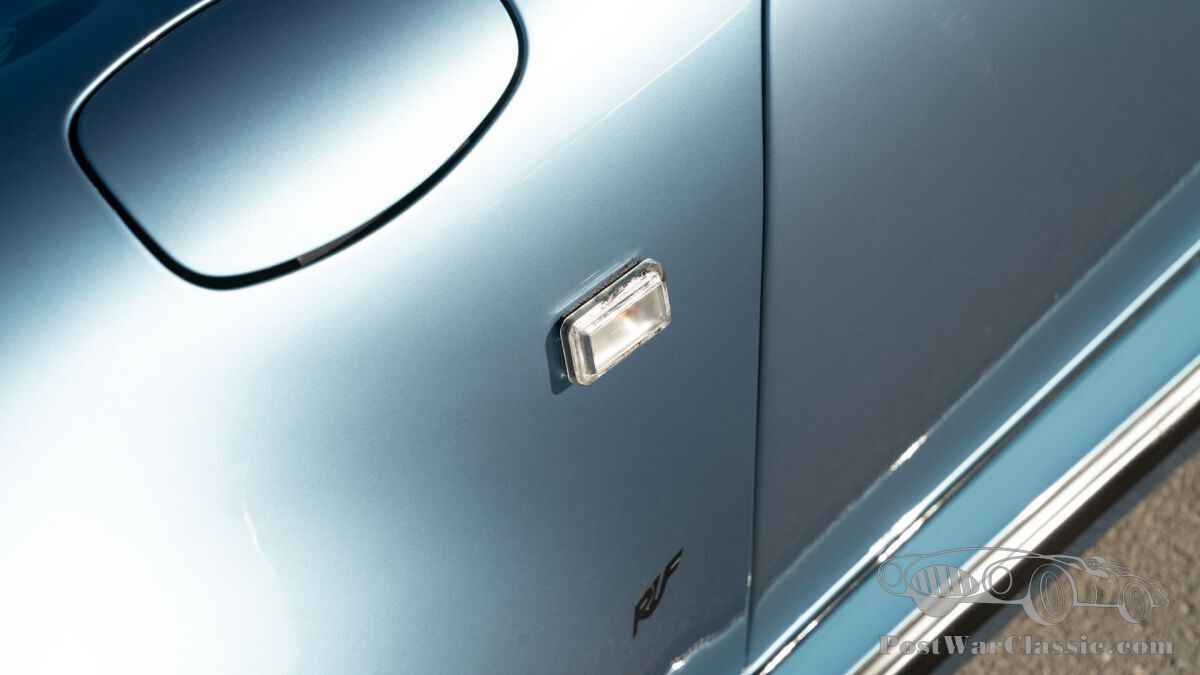
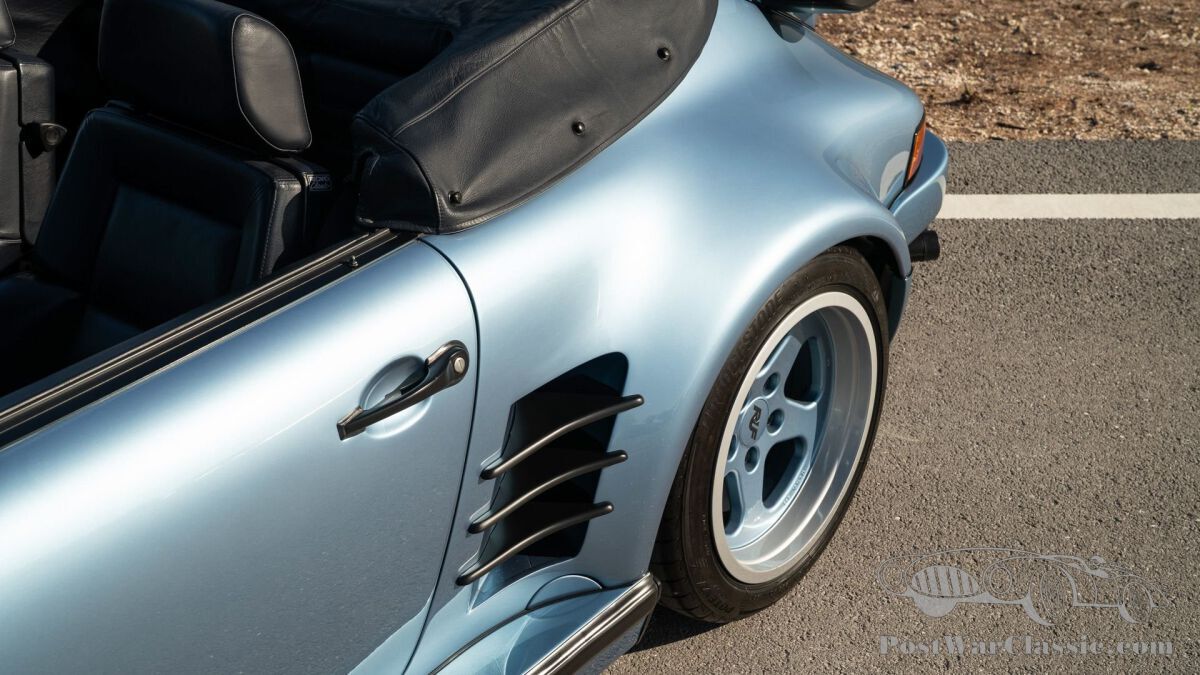
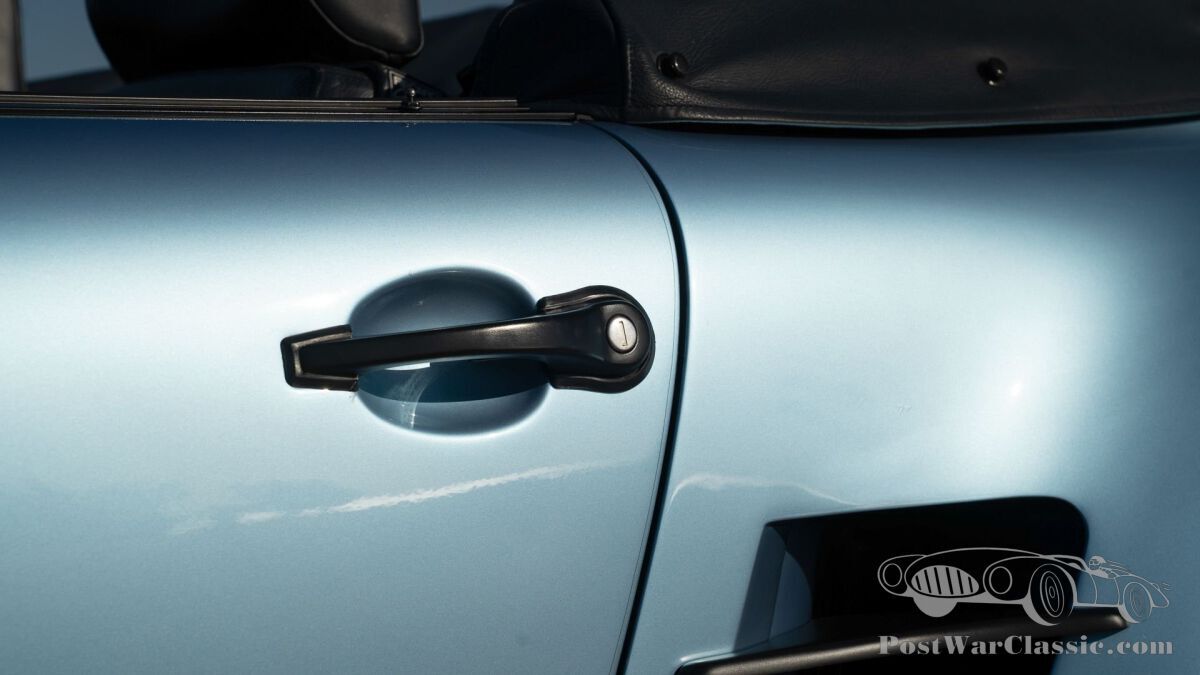
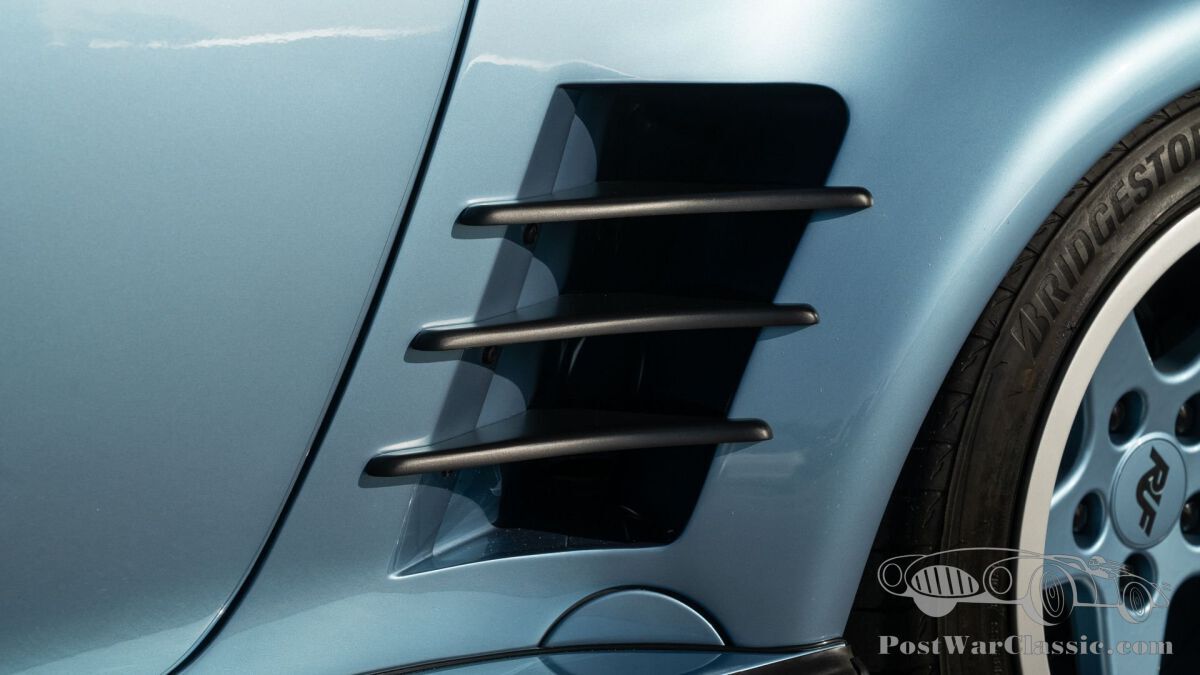
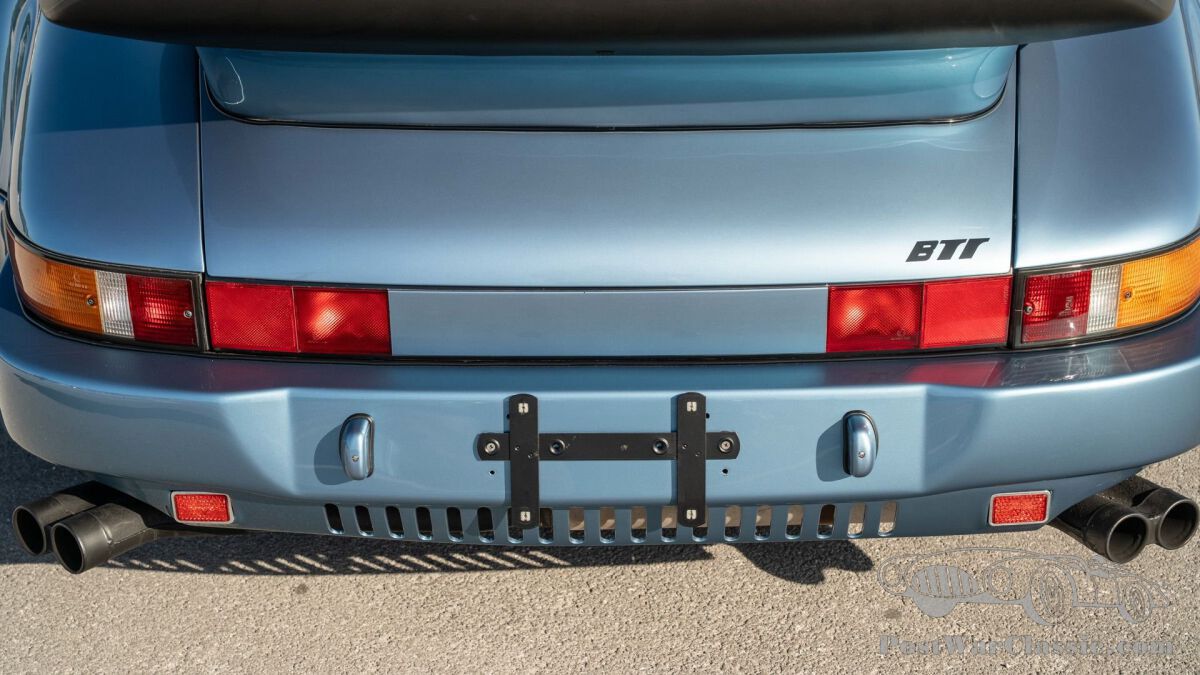
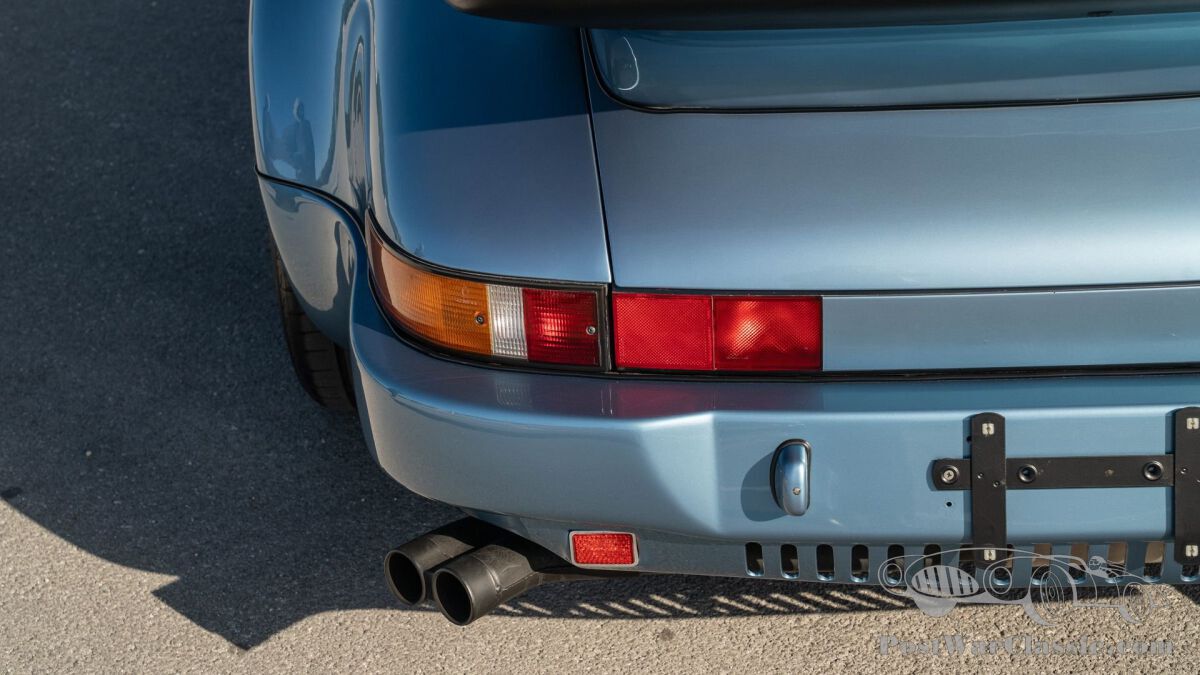
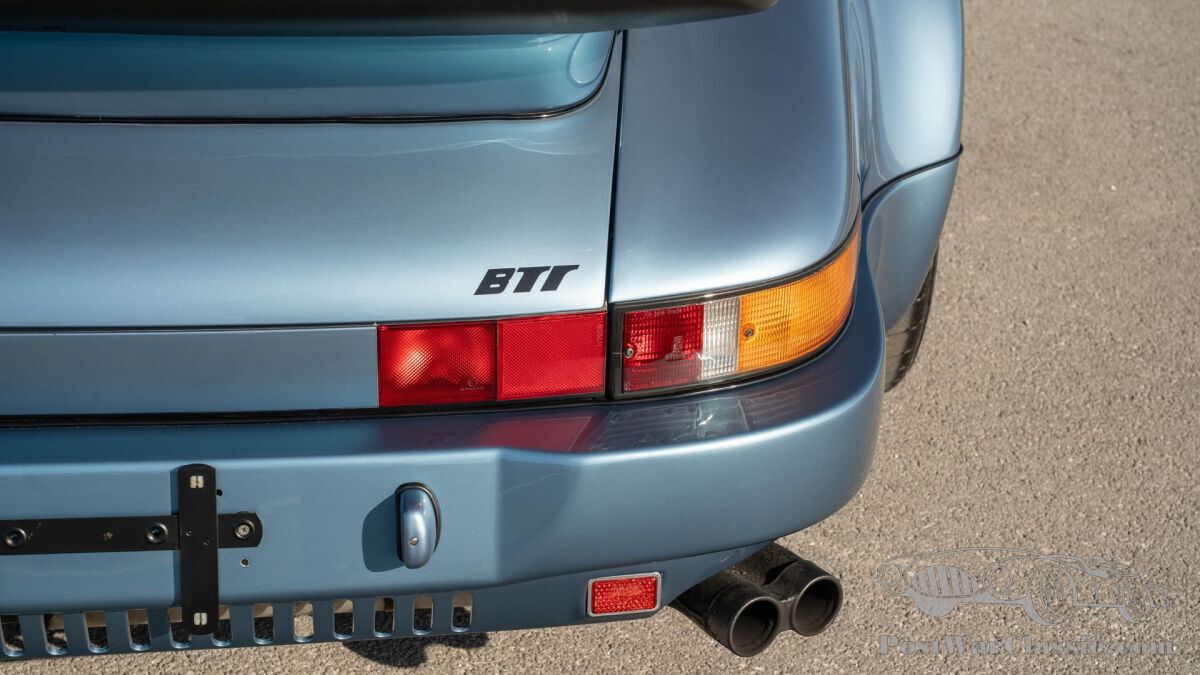
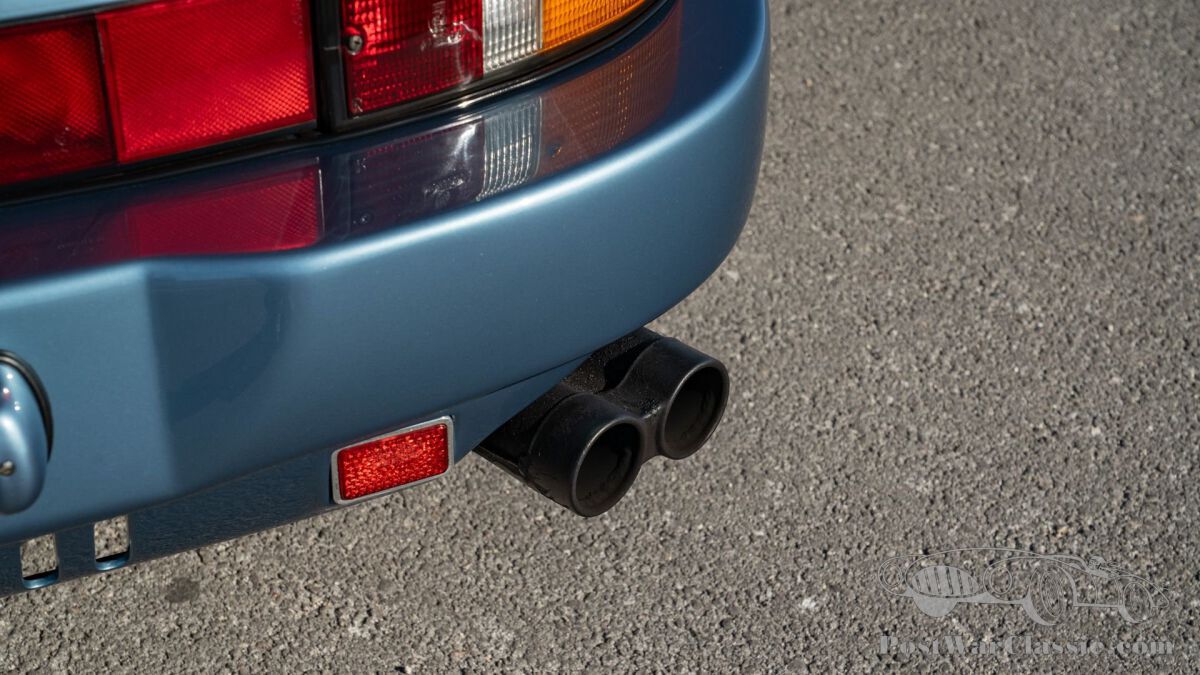
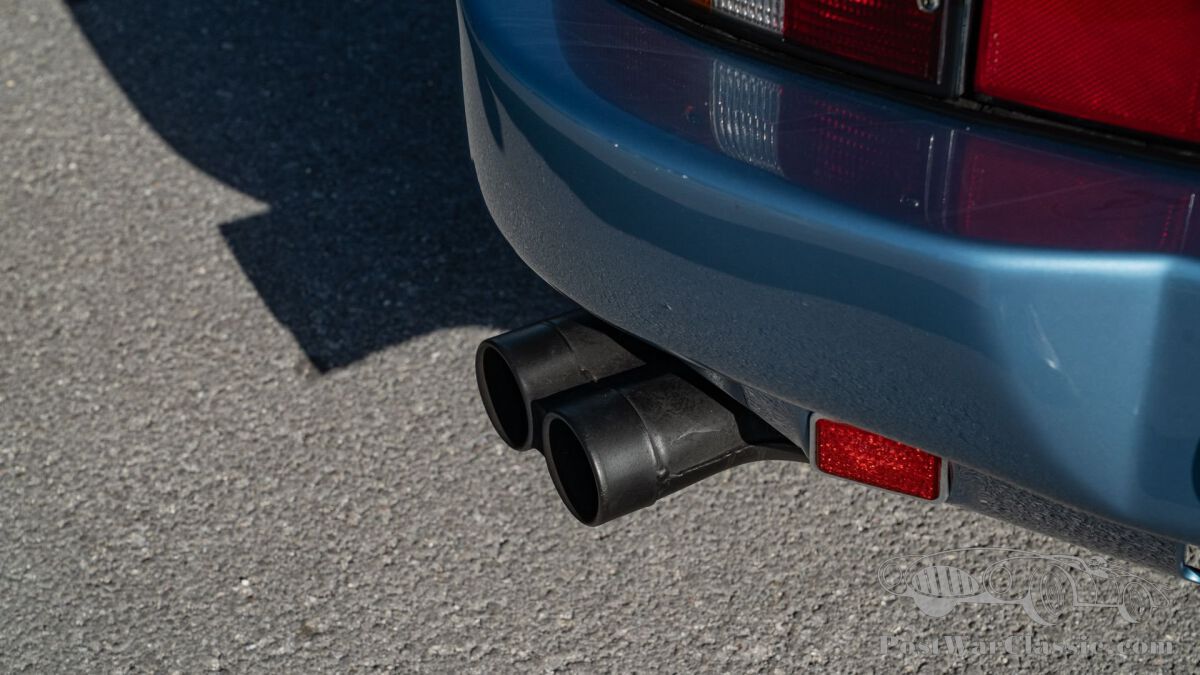
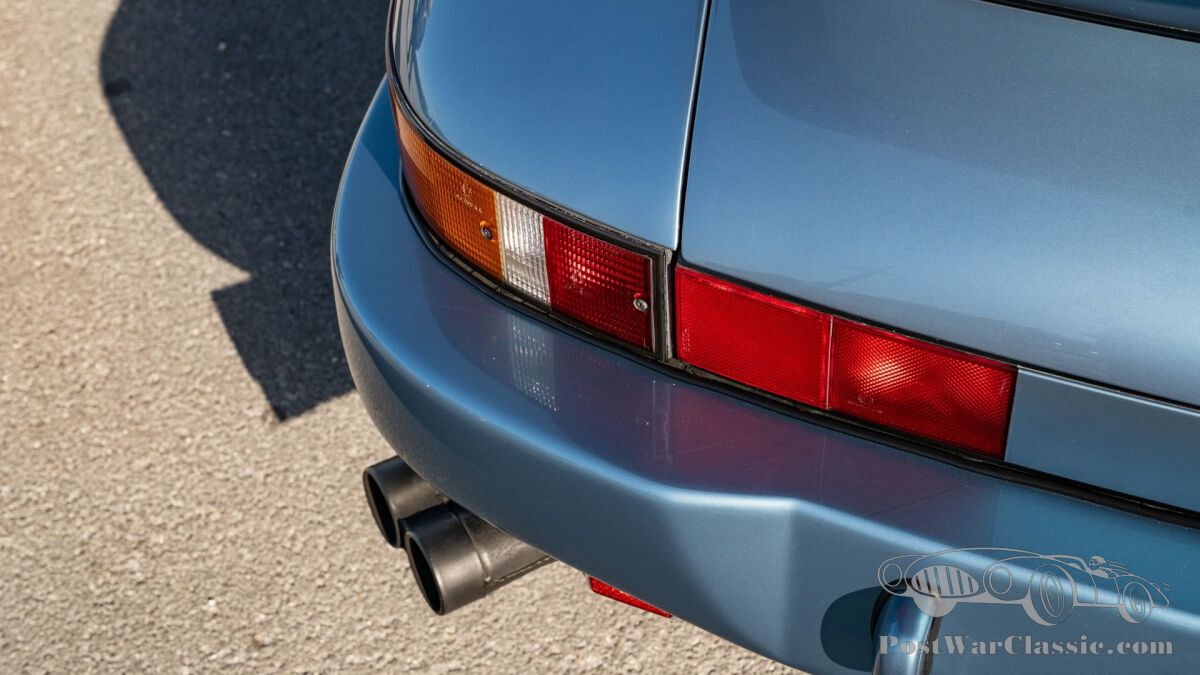
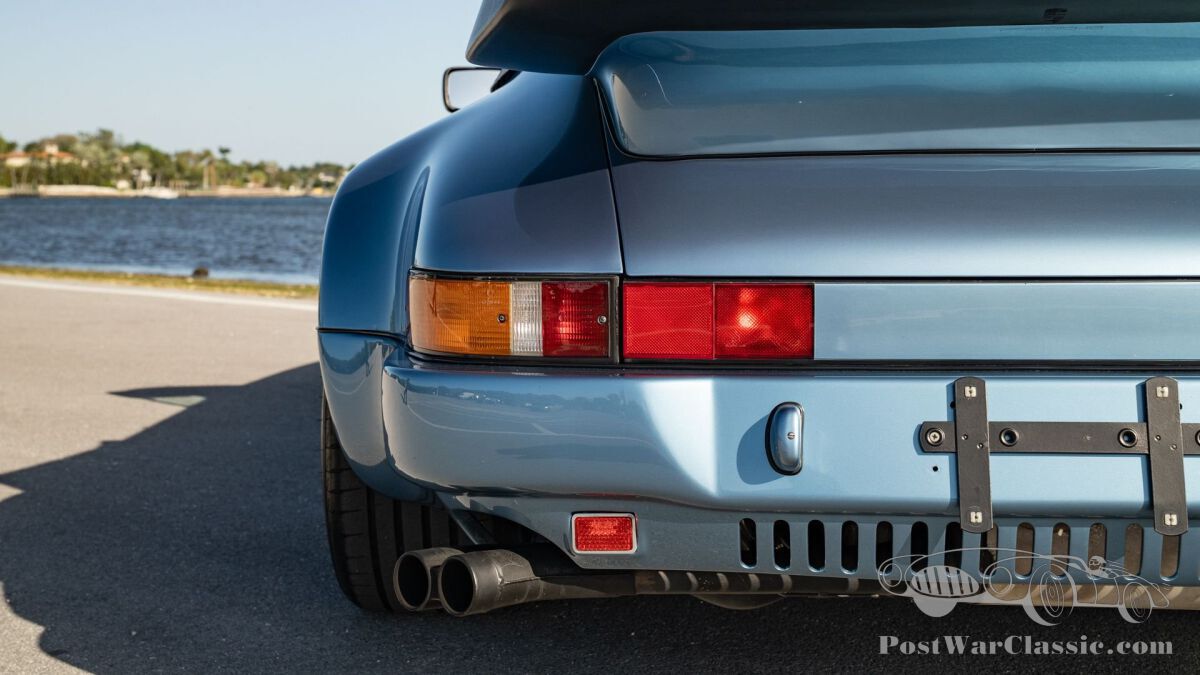
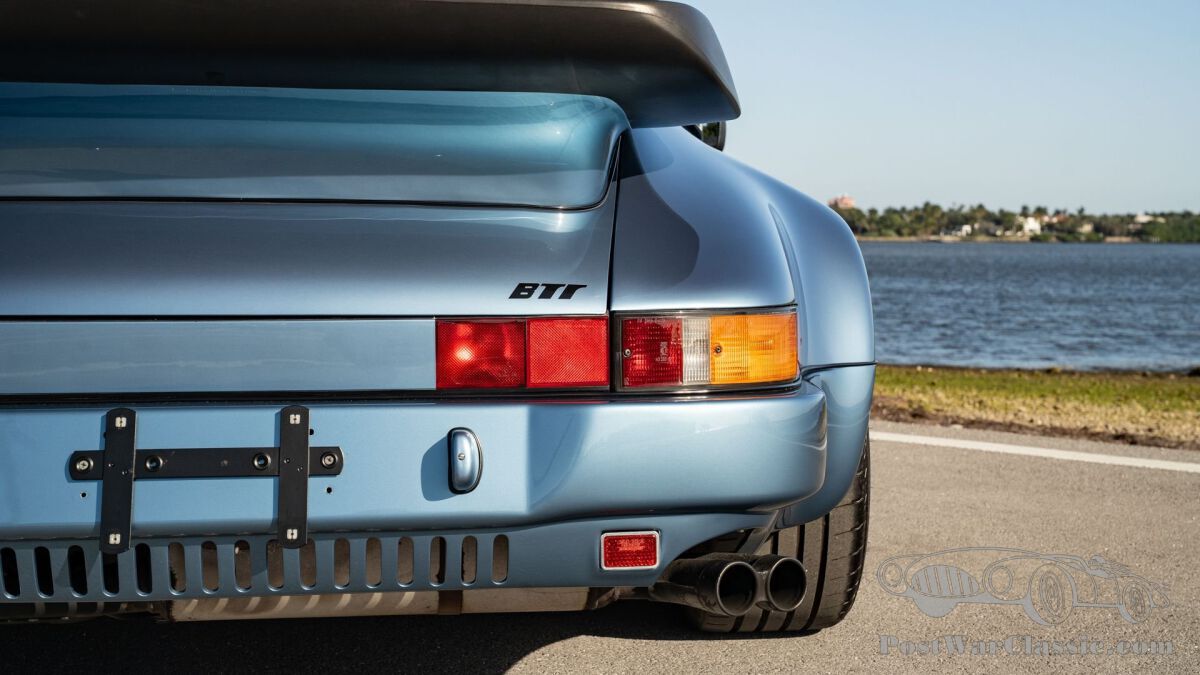
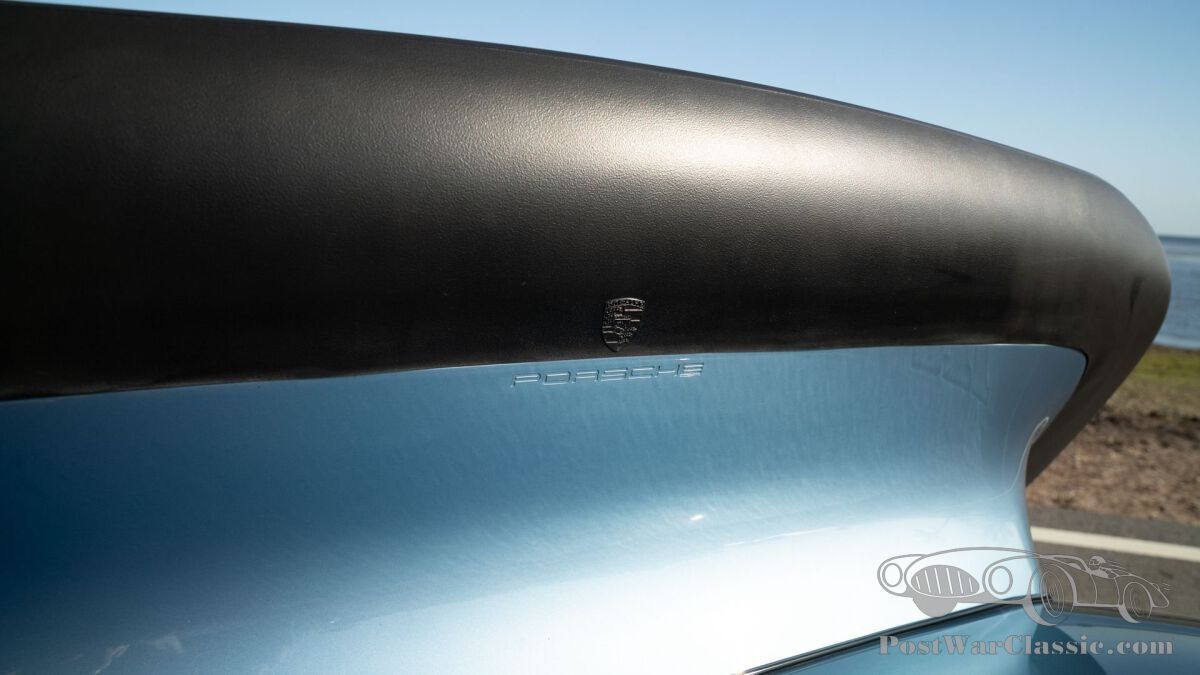
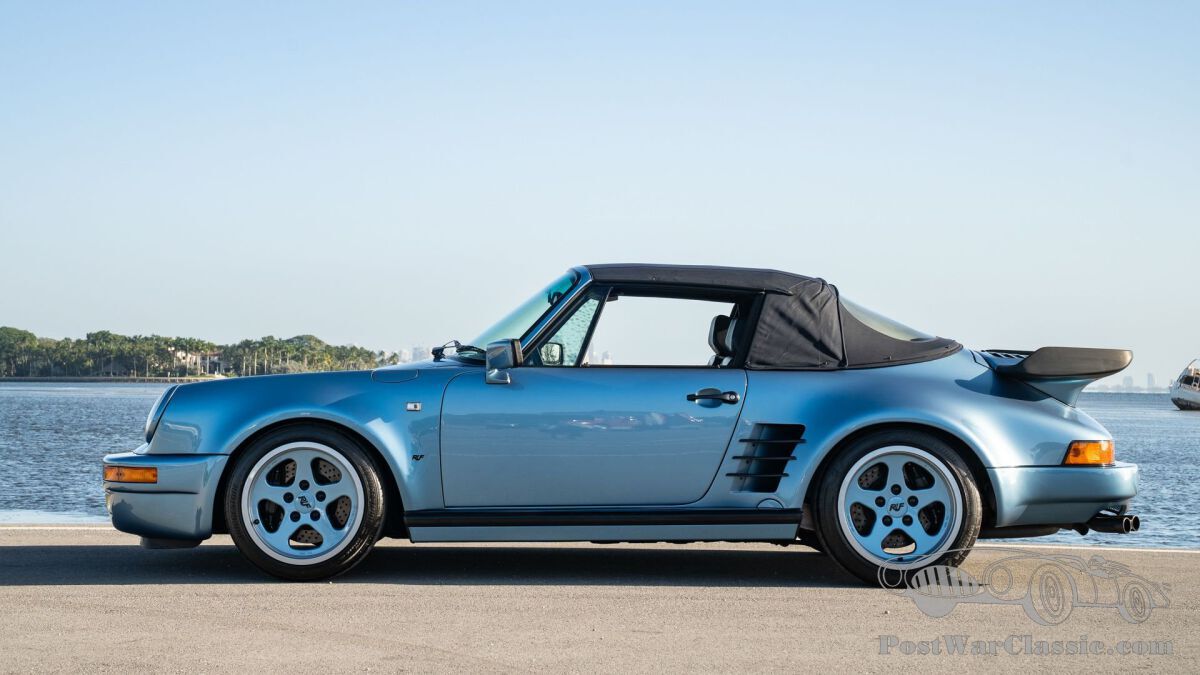
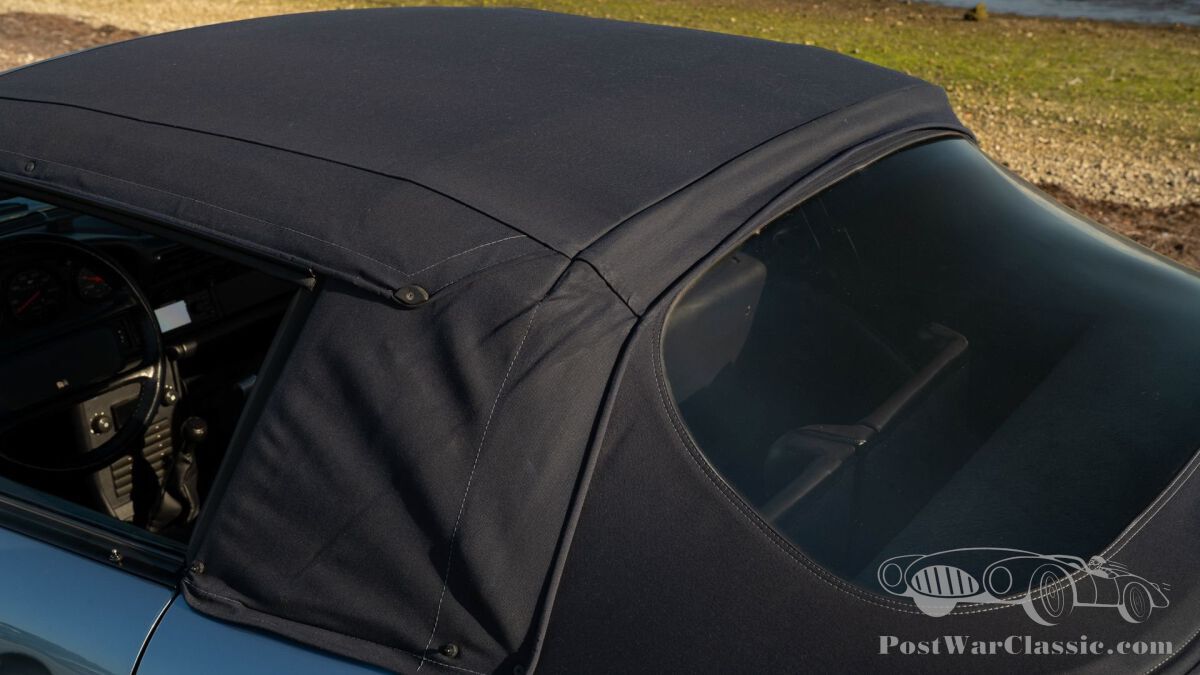
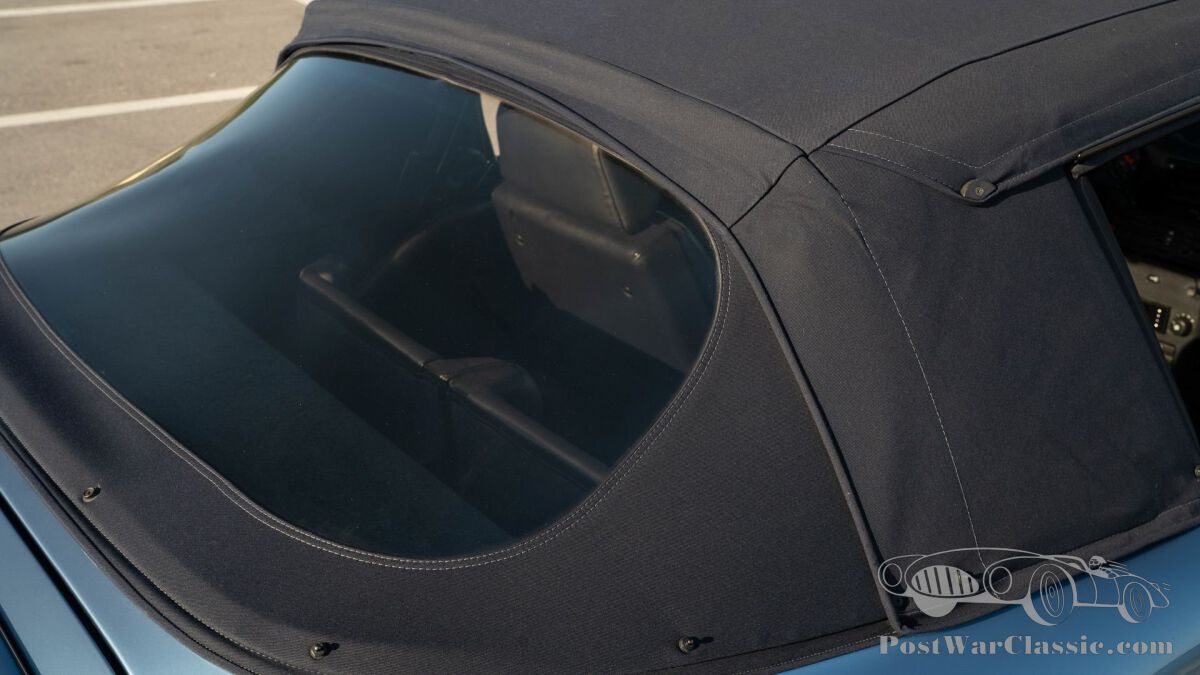
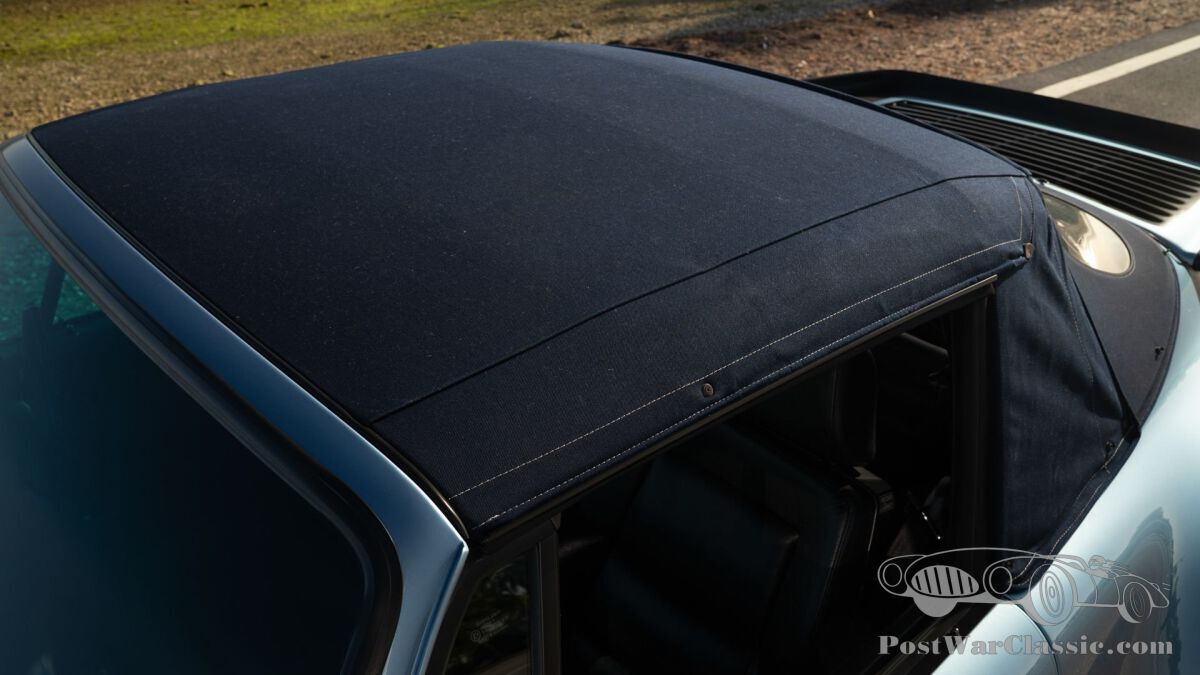
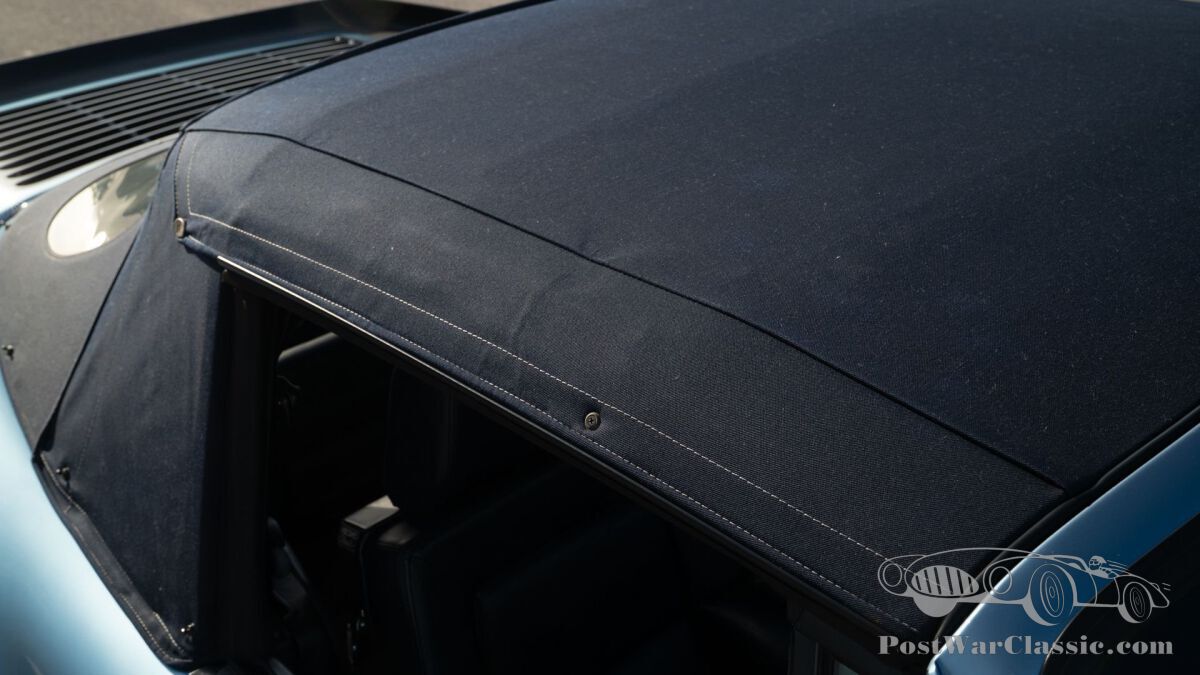
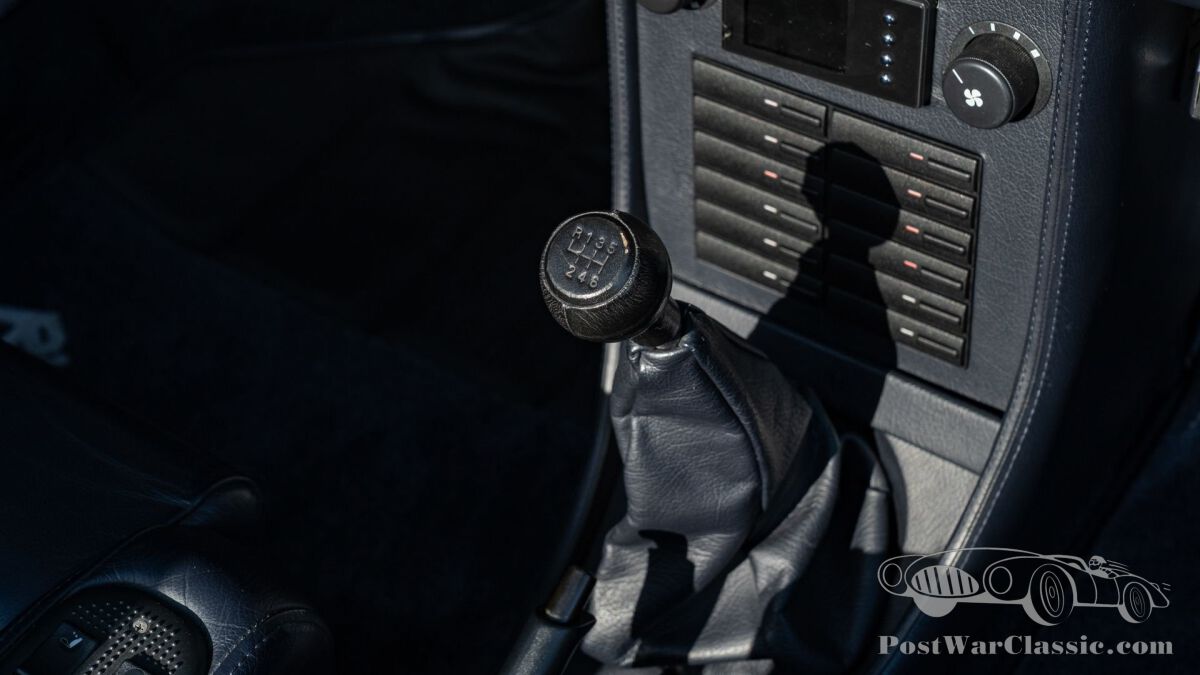
Among the final examples of the ultimate BTR evolution is this extremely special BTR III Cabriolet. Completed from a body-in-white and endowed with a W09 RUF chassis number, this Turbo Wide Body Cabriolet, according to its RUF-supplied build sheet, is finished in rare Iris Blue Metallic over an equally rare Dark Blue leather interior. As is typical with RUF, the build was highly individualized with 17 options. Its famous five-spoke RUF Speedline Denloc wheels were finished in body color, while its front and rear spoilers are borrowed from the famous CTR Yellowbird-so too is the high-performance braking system. Additional performance options include RUF Bilstein Sport shock absorbers, RUF Sport sway bars, front strut brace, and a 105-liter (27.7-gallon) RUF fuel tank. Naturally, this is all backed by RUF's famously powerful 3.4-liter 408-horsepower turbocharged powerplant with its distinctive four-outlet exhaust system, the engine providing the grunt while the RUF "R50.50" six-speed transmission puts it to effective use.
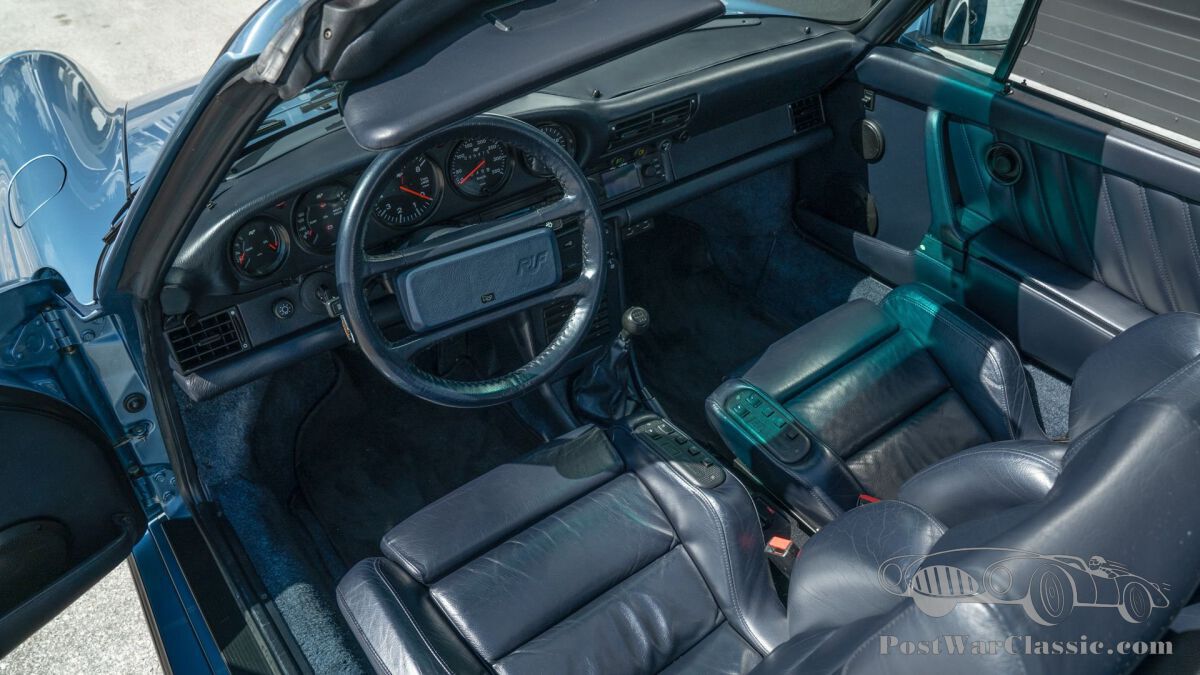
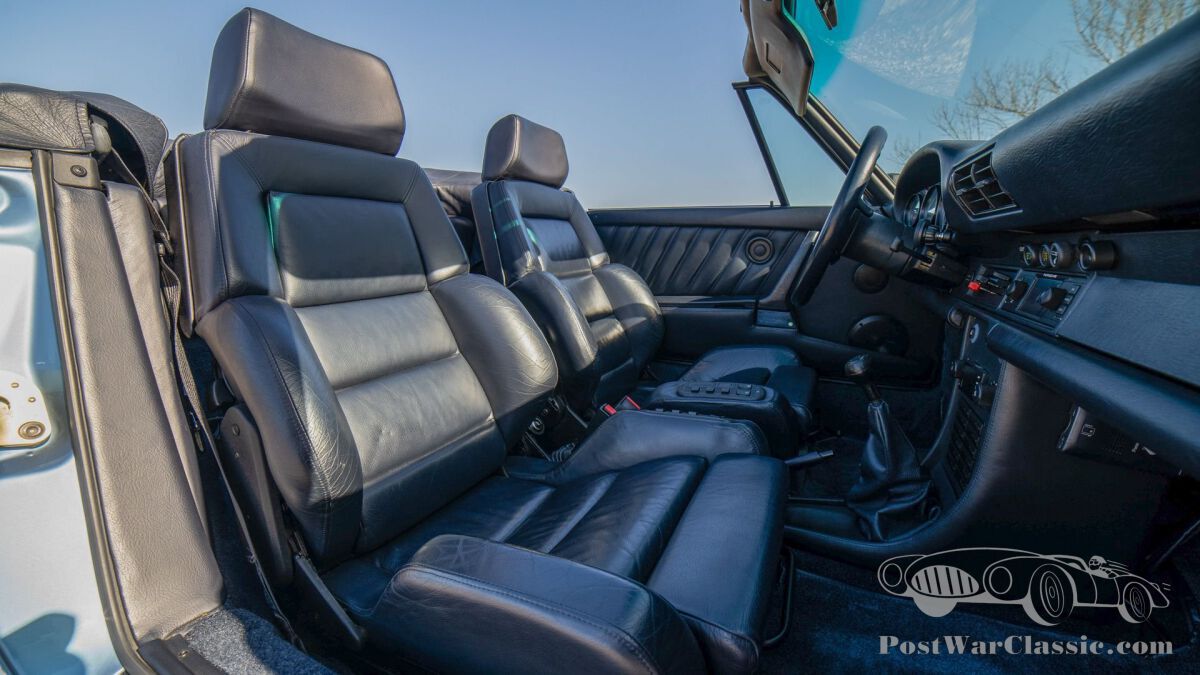
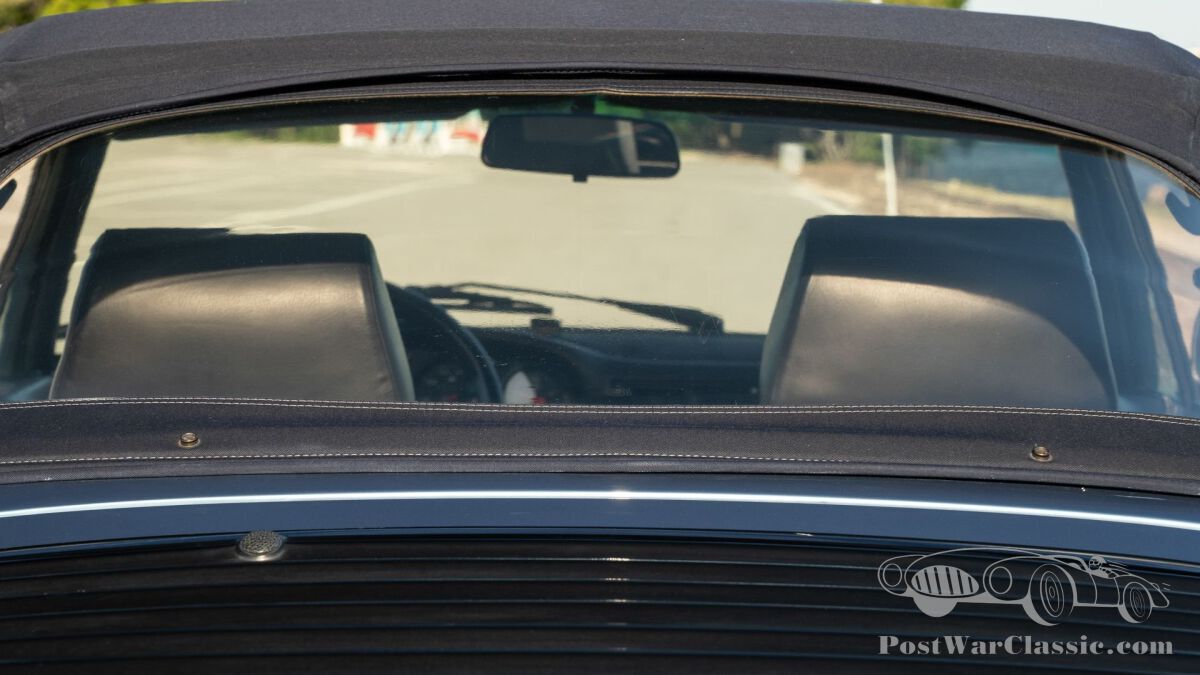
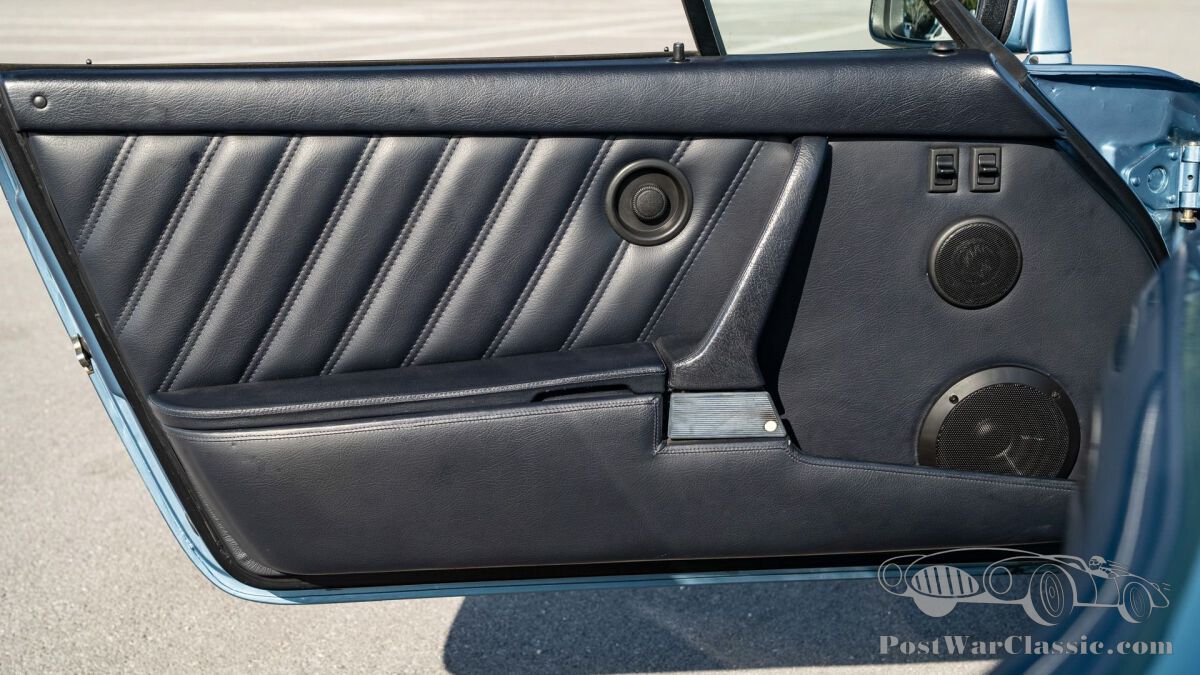
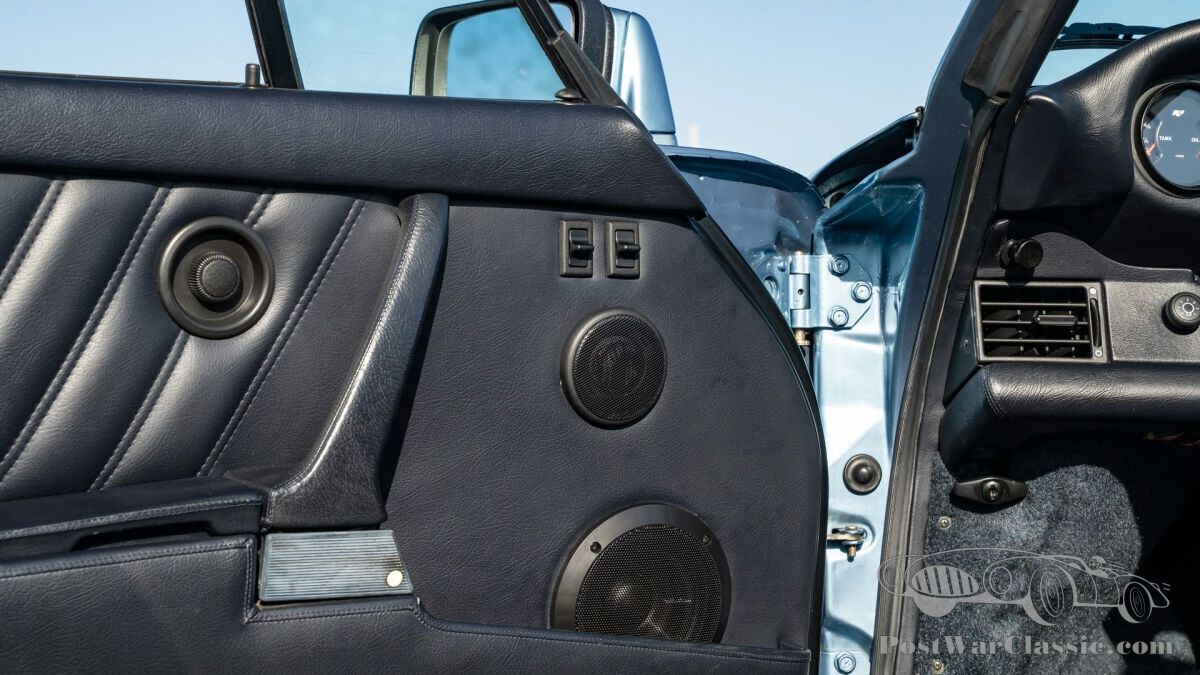
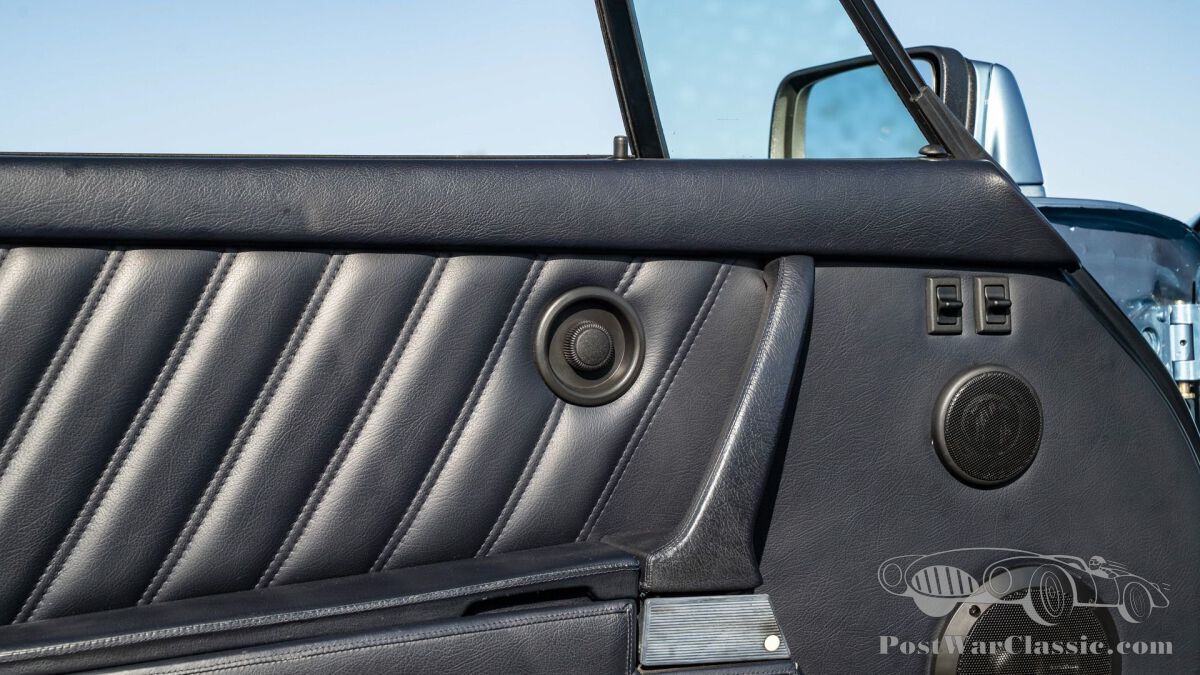
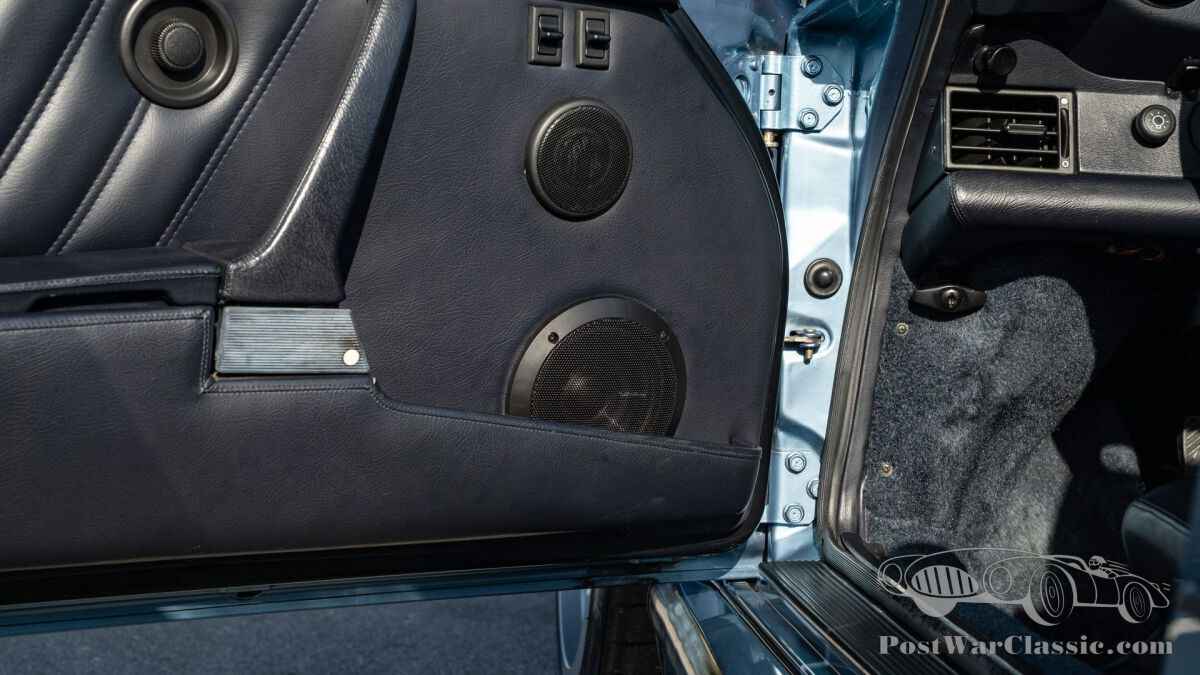
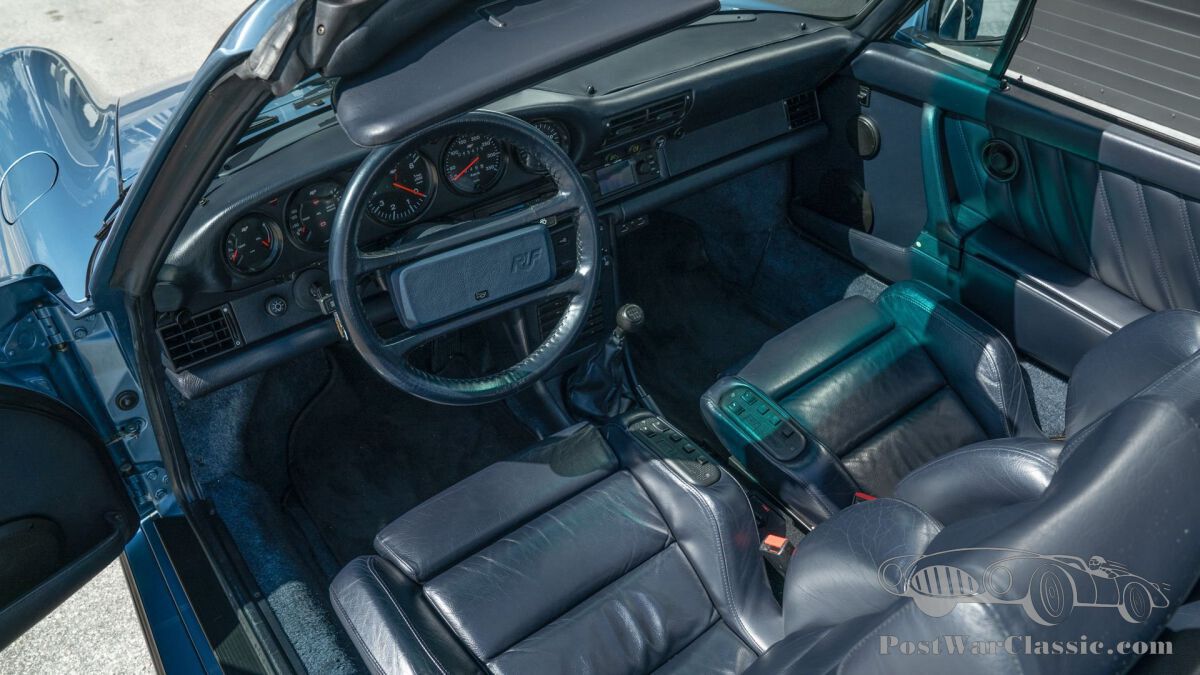
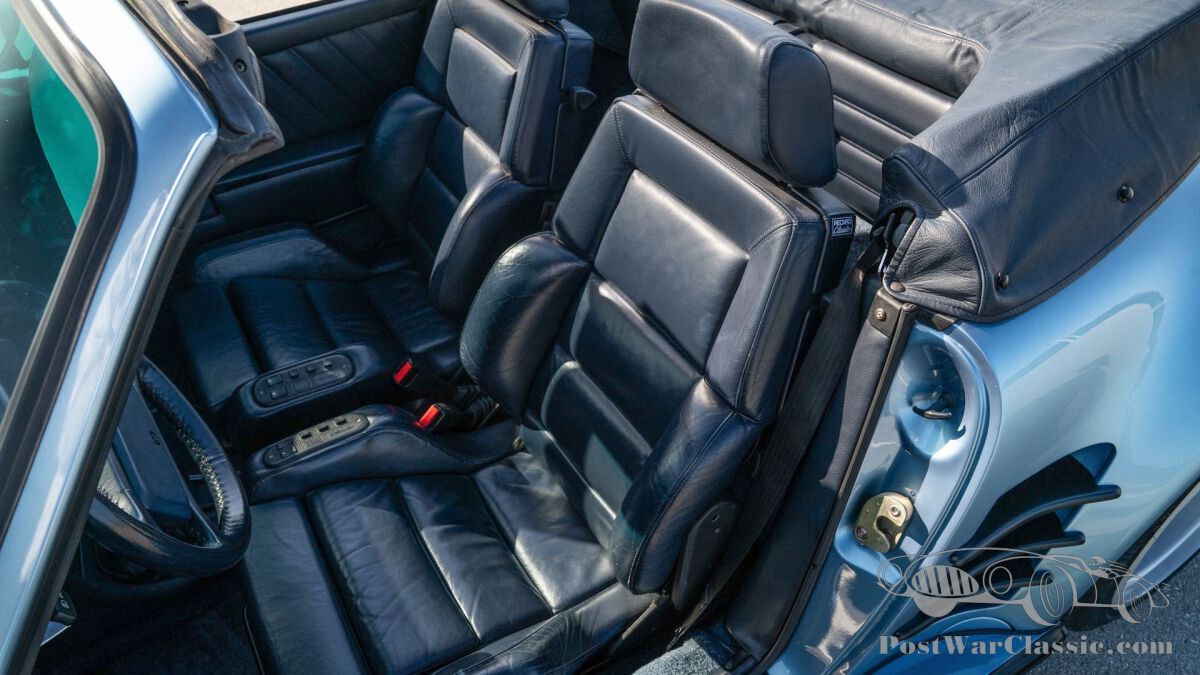
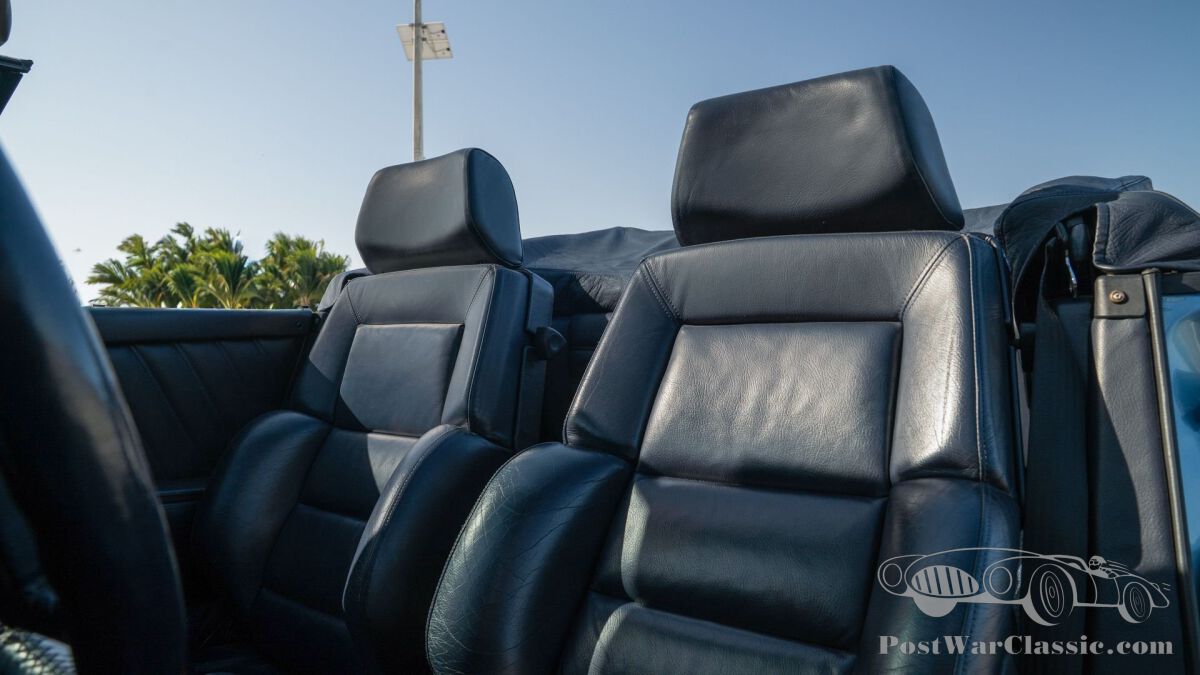
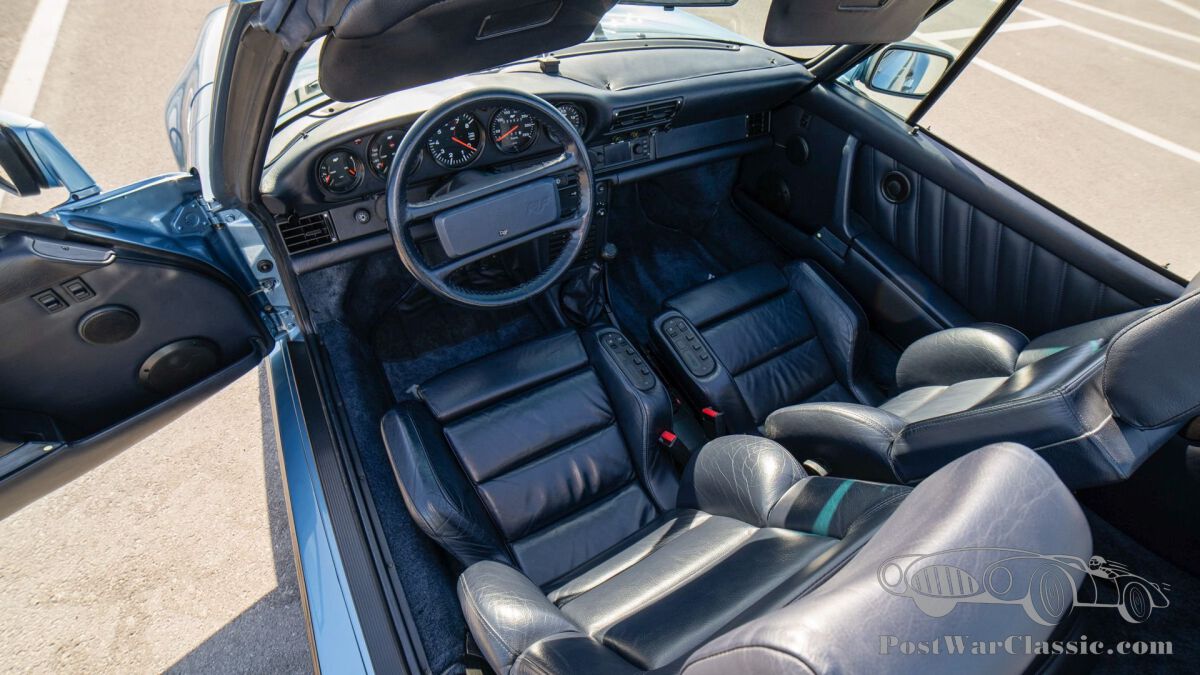
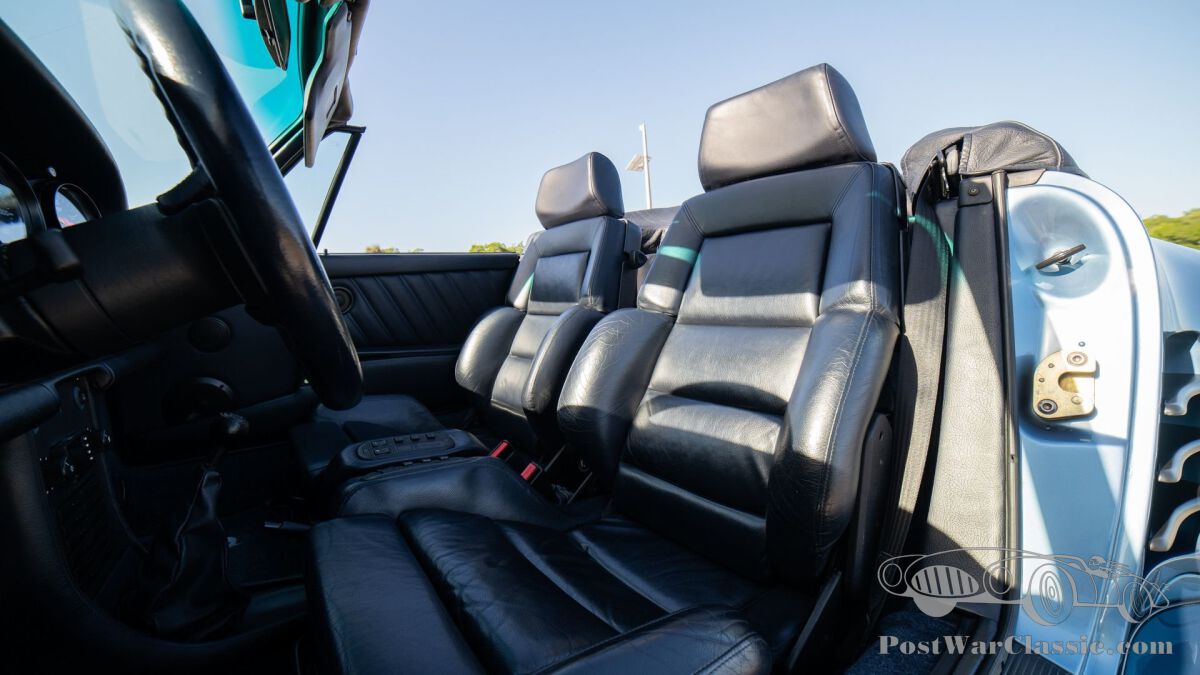
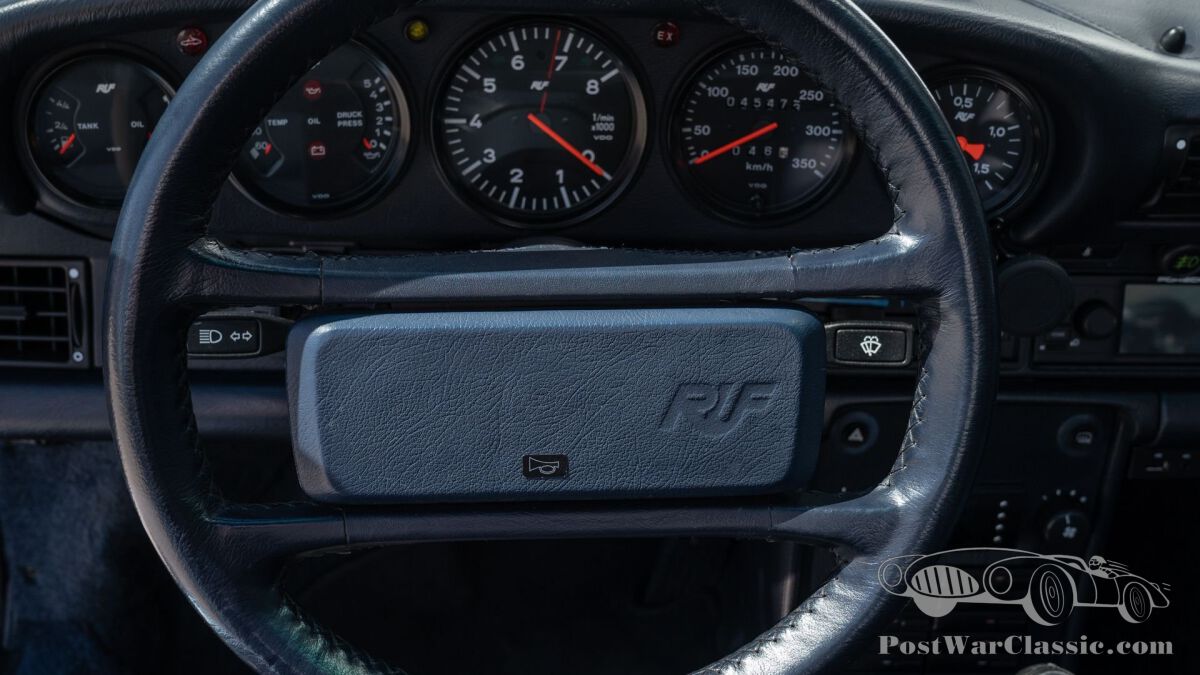
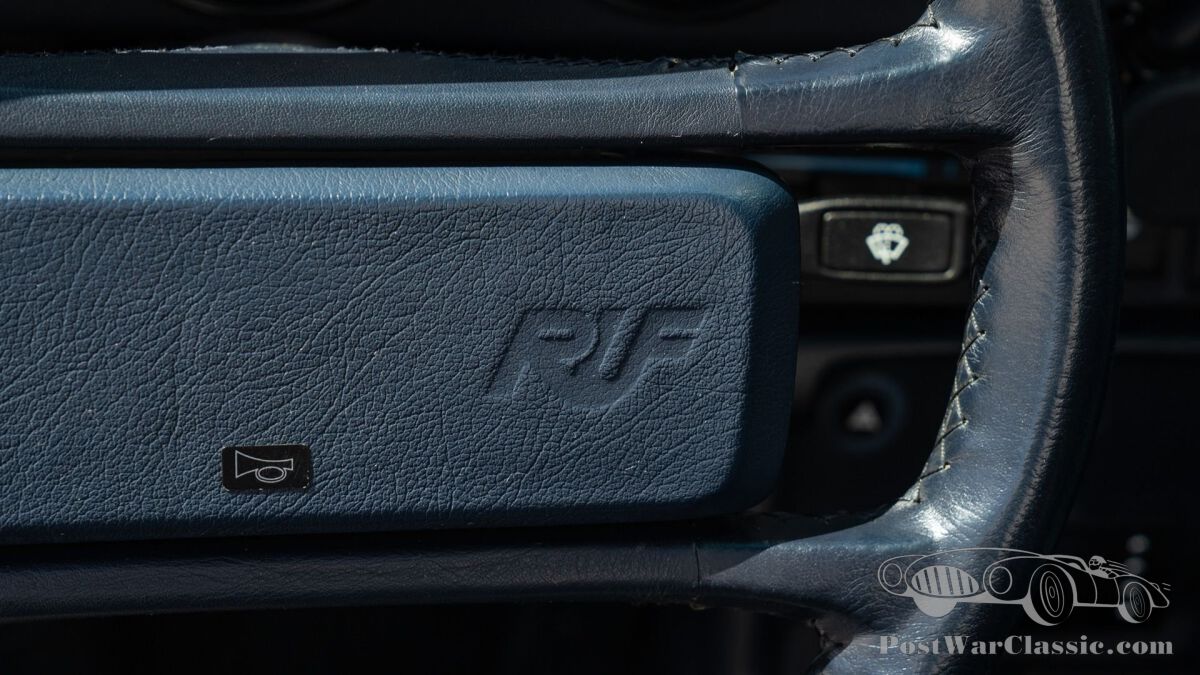
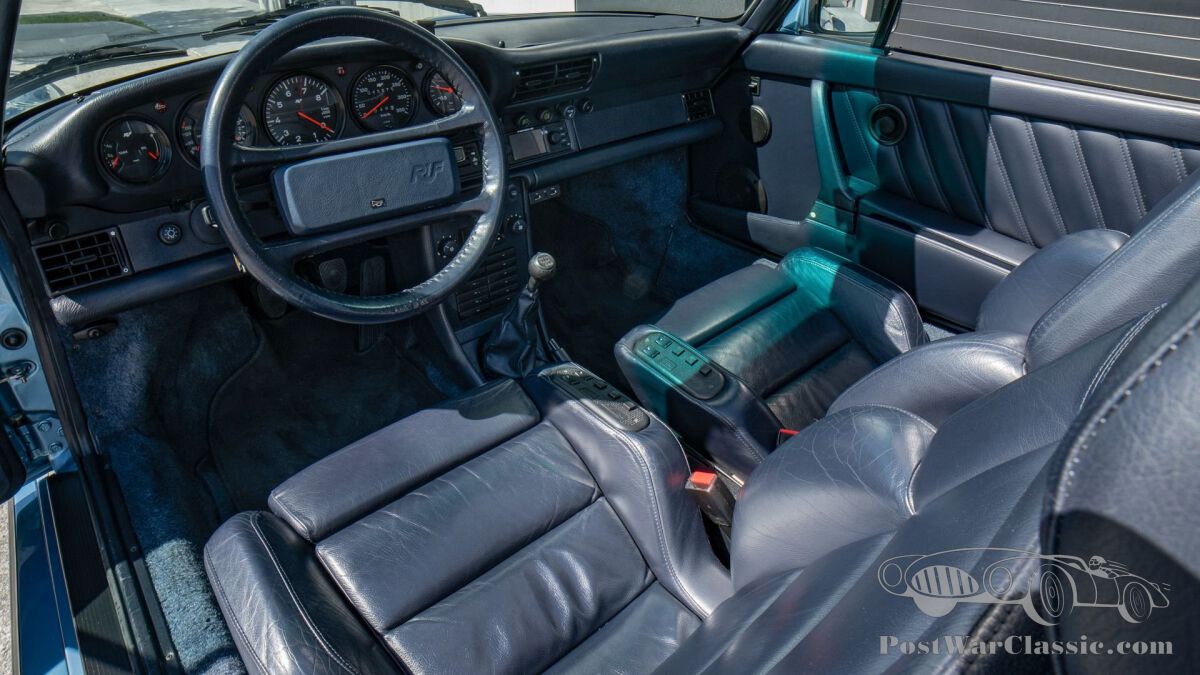
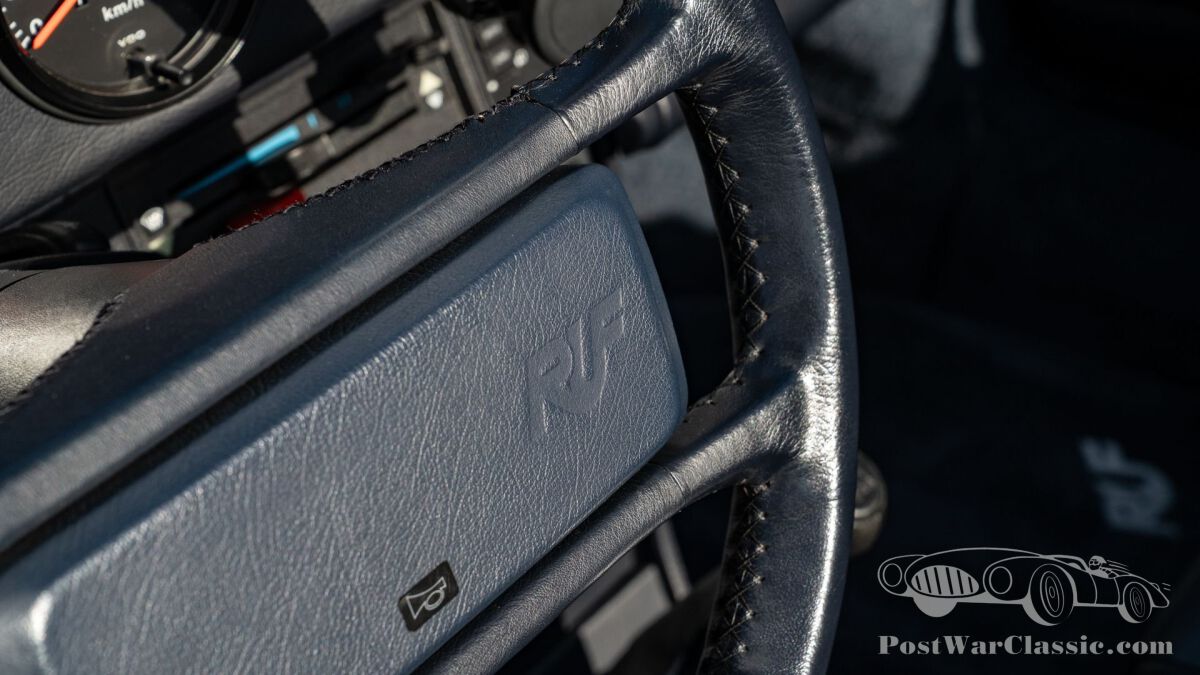
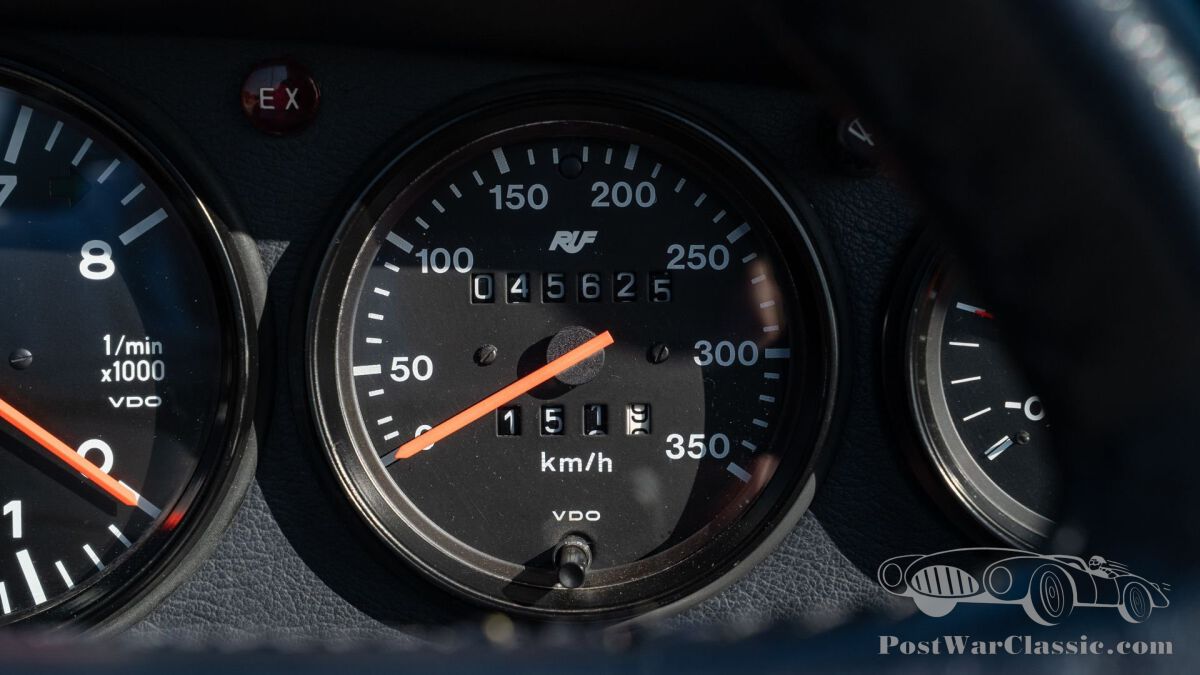
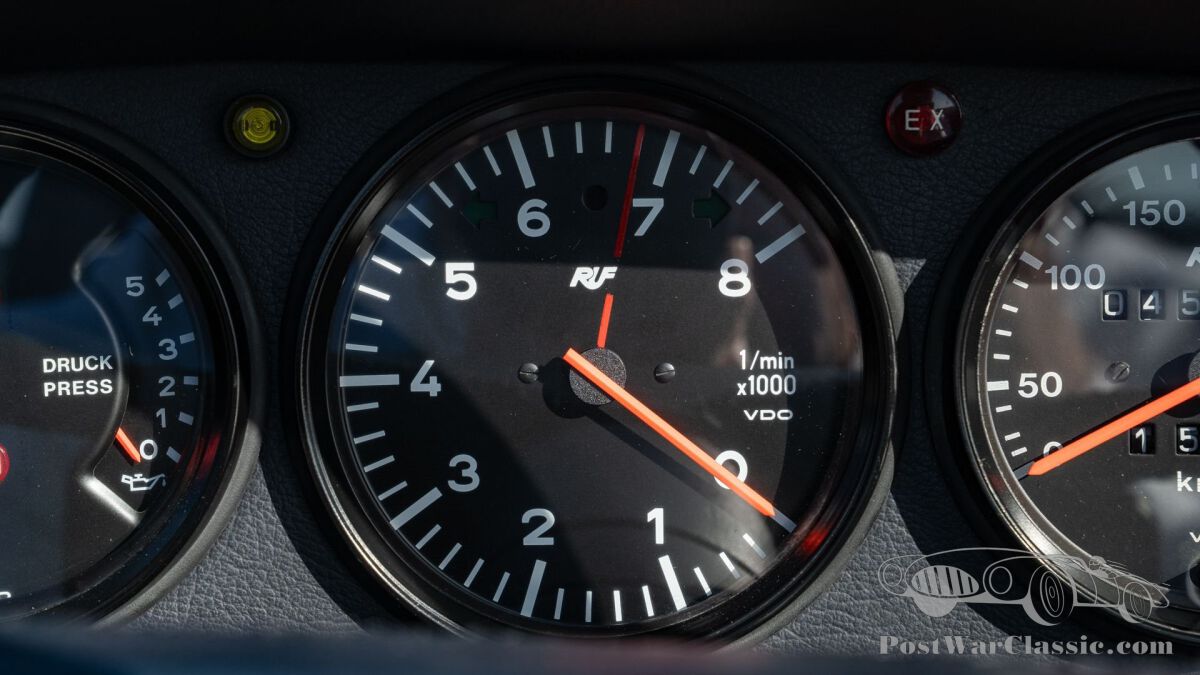
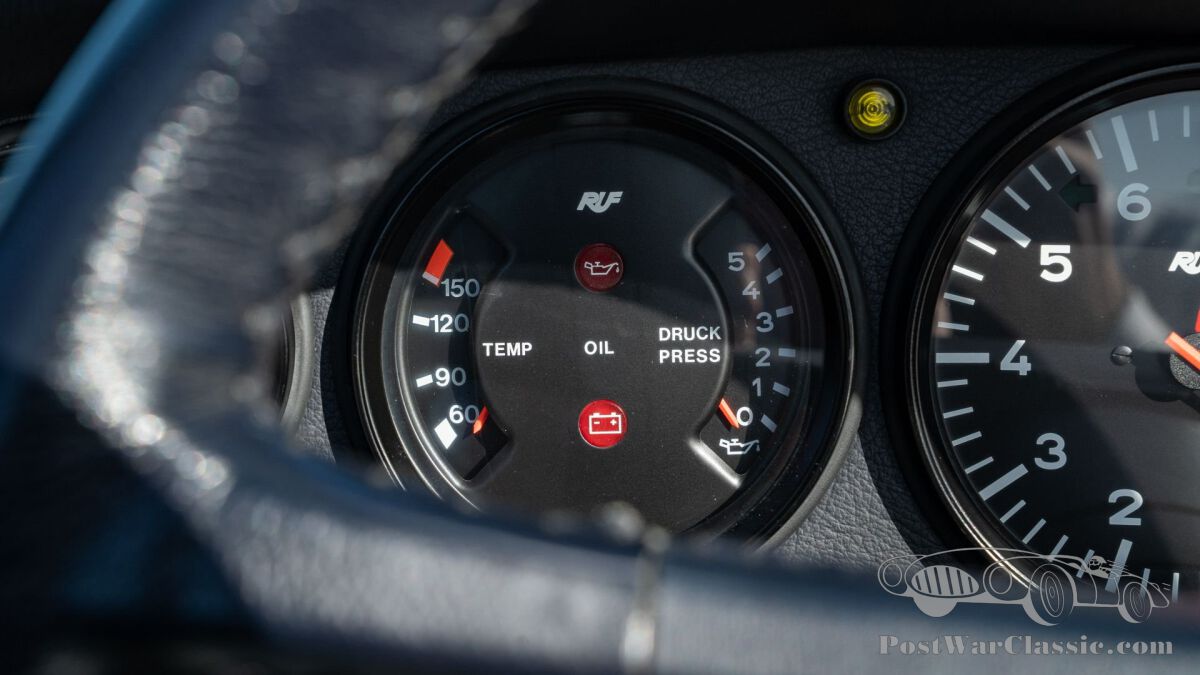
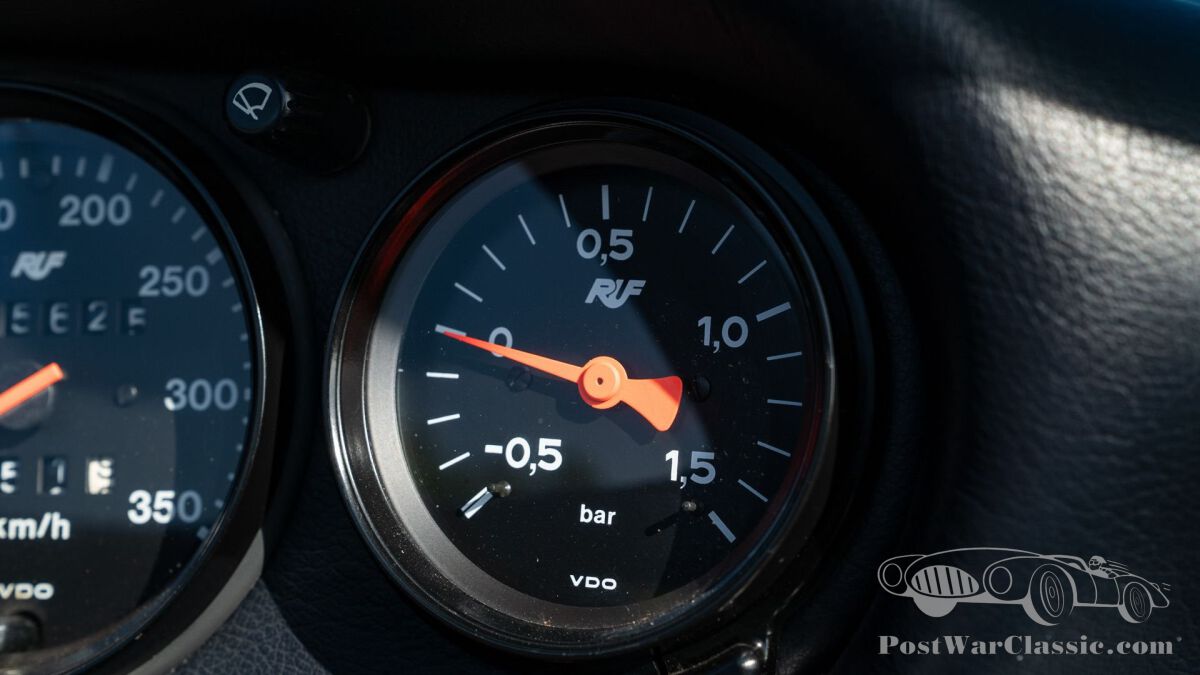
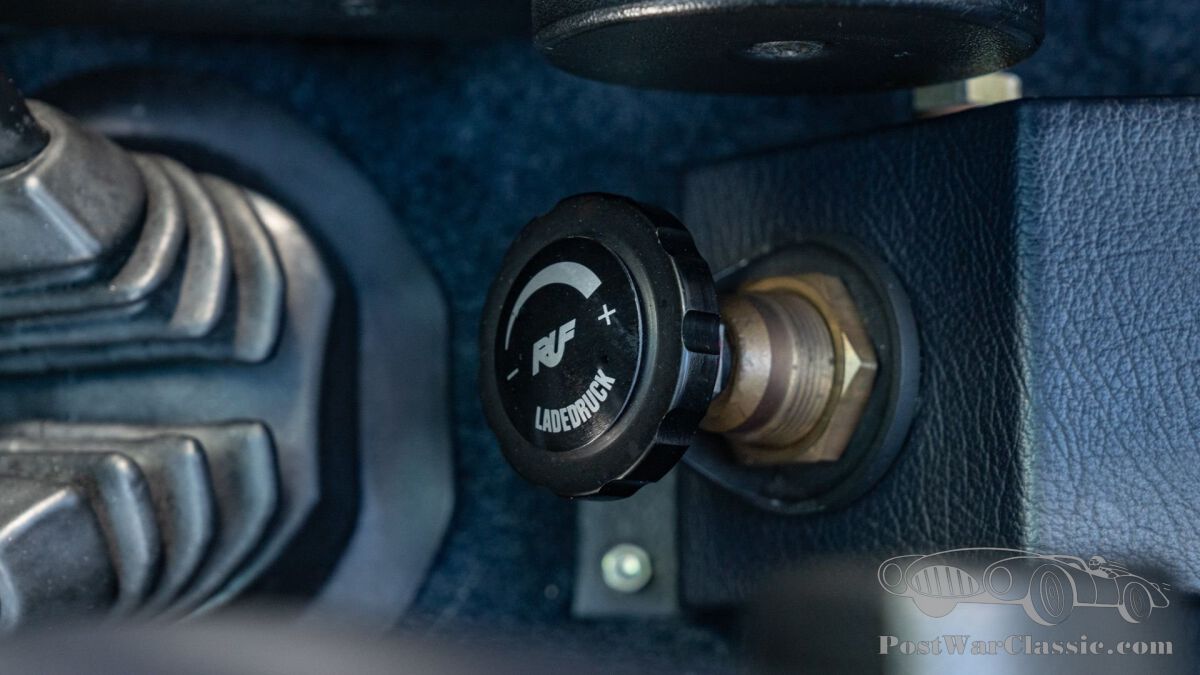
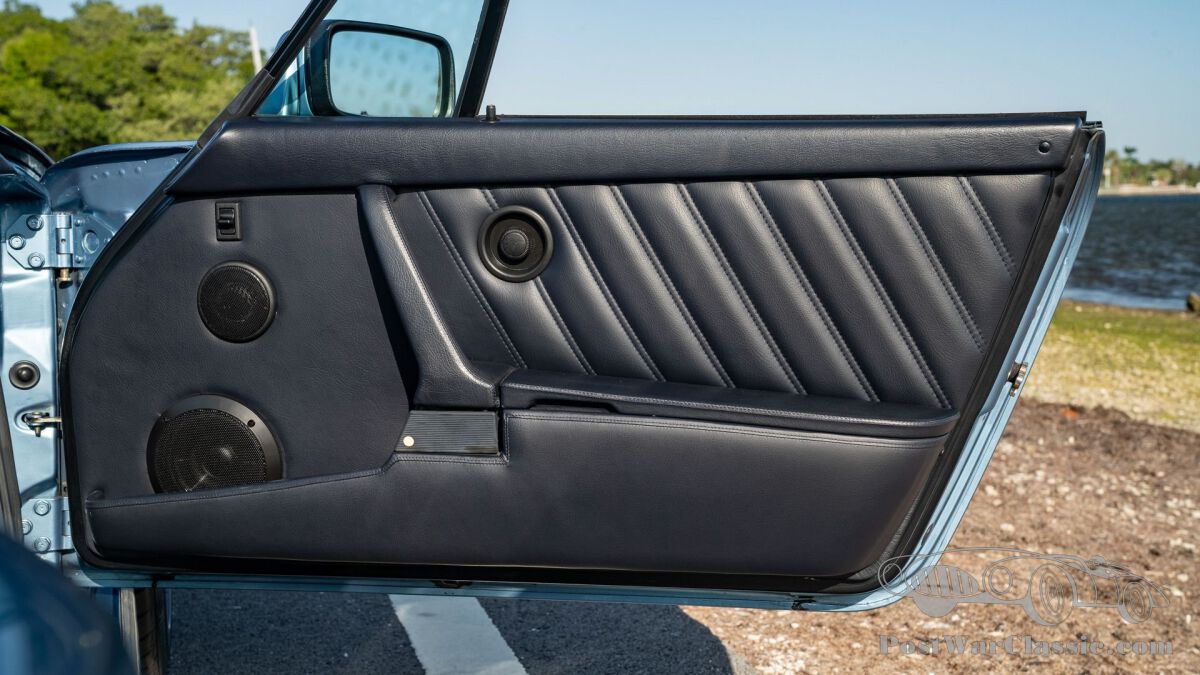
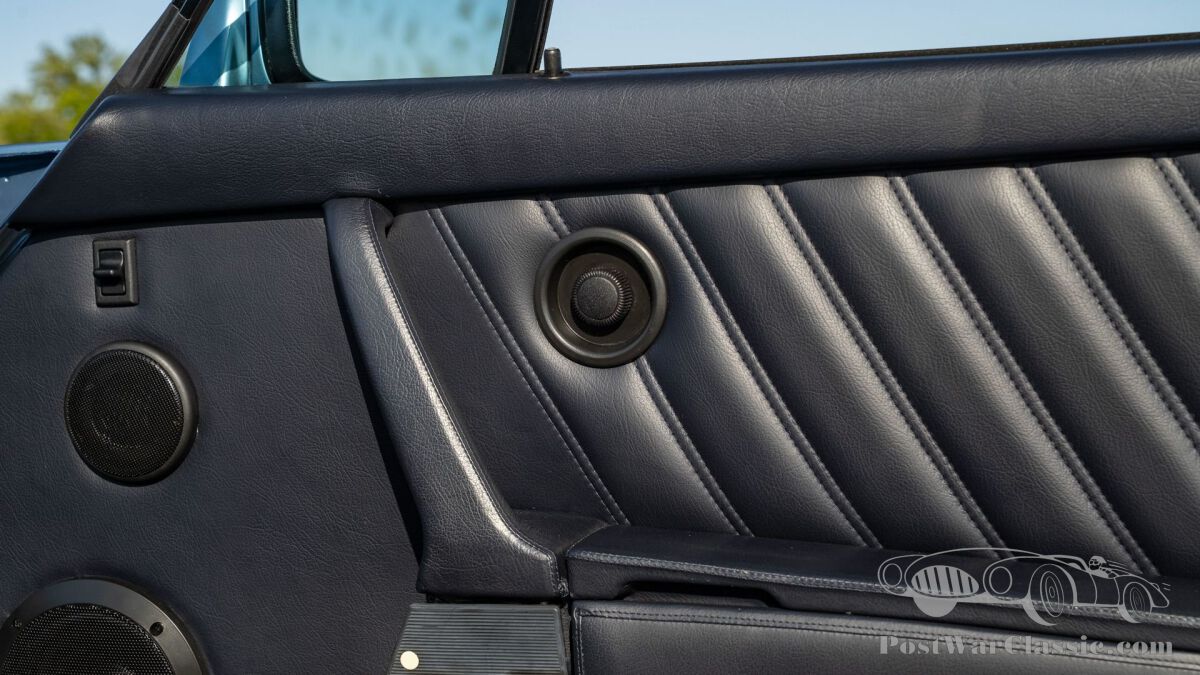
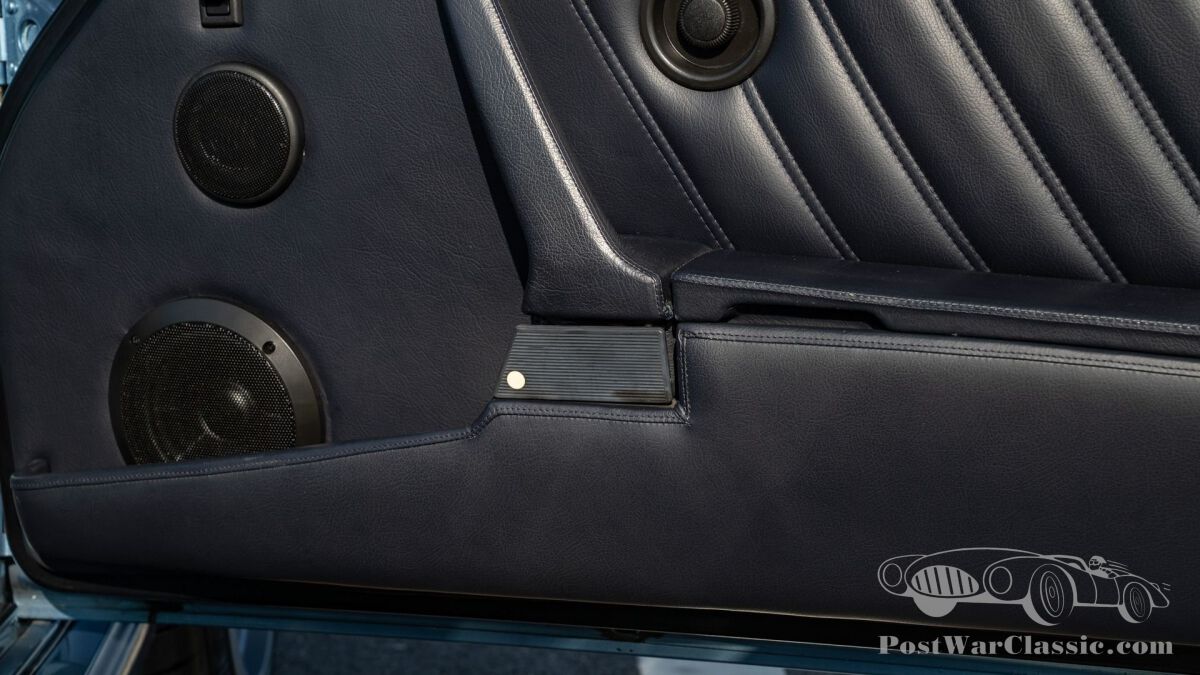
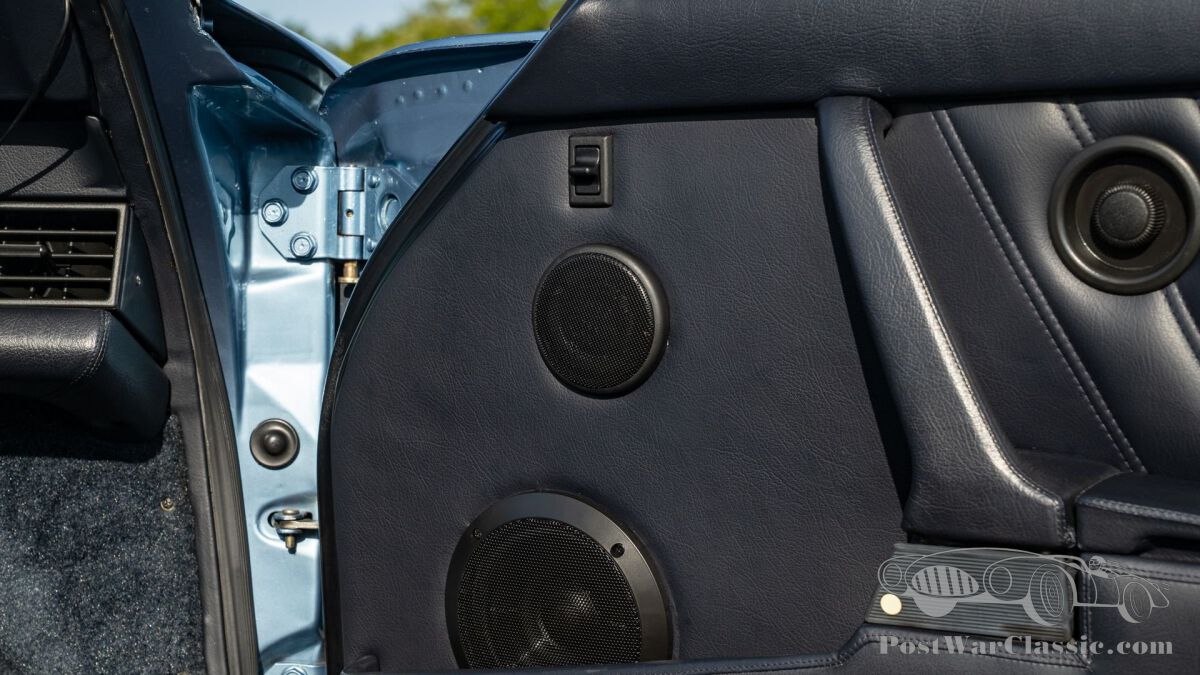
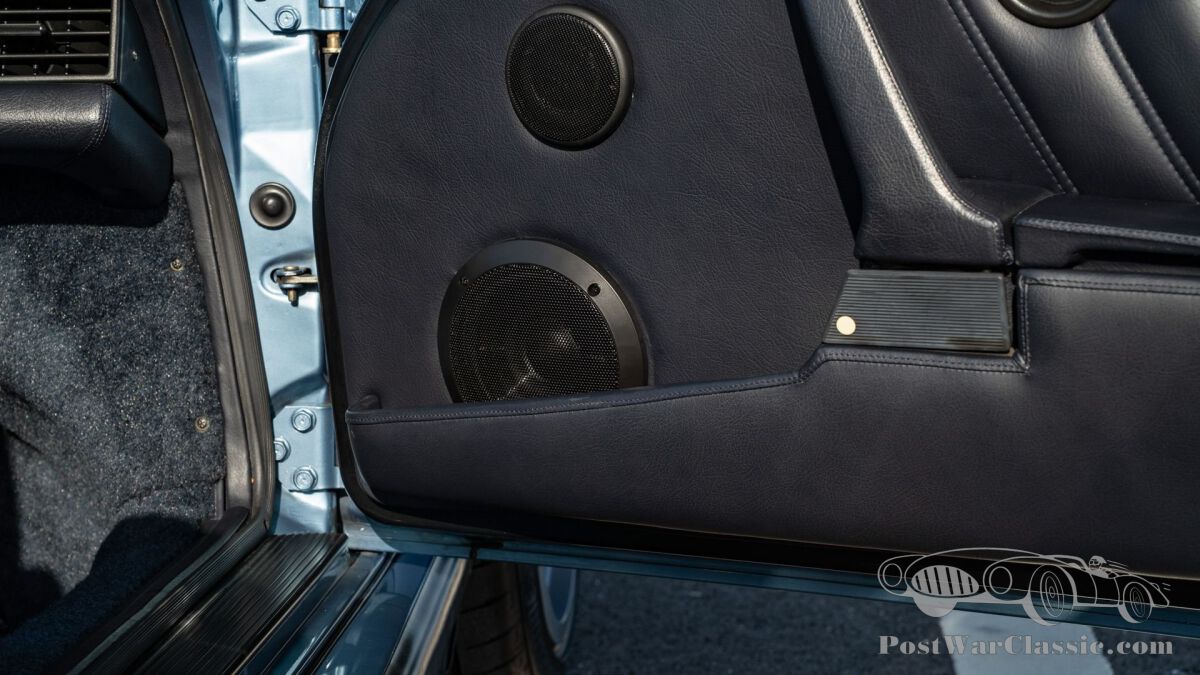
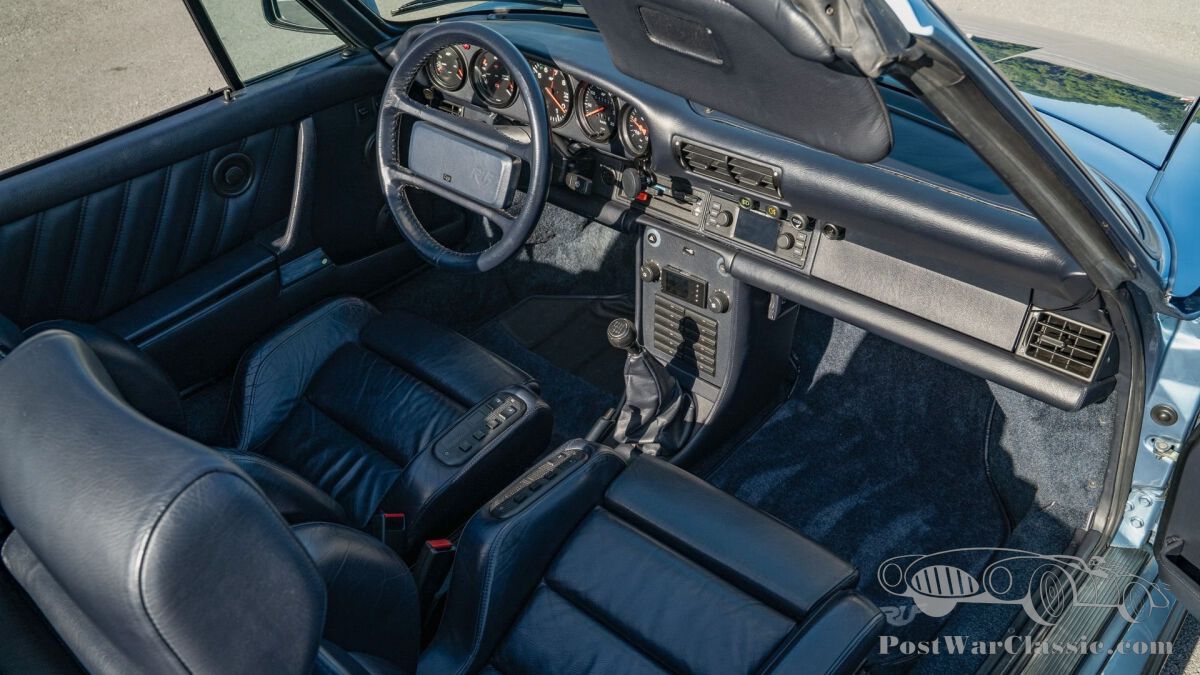
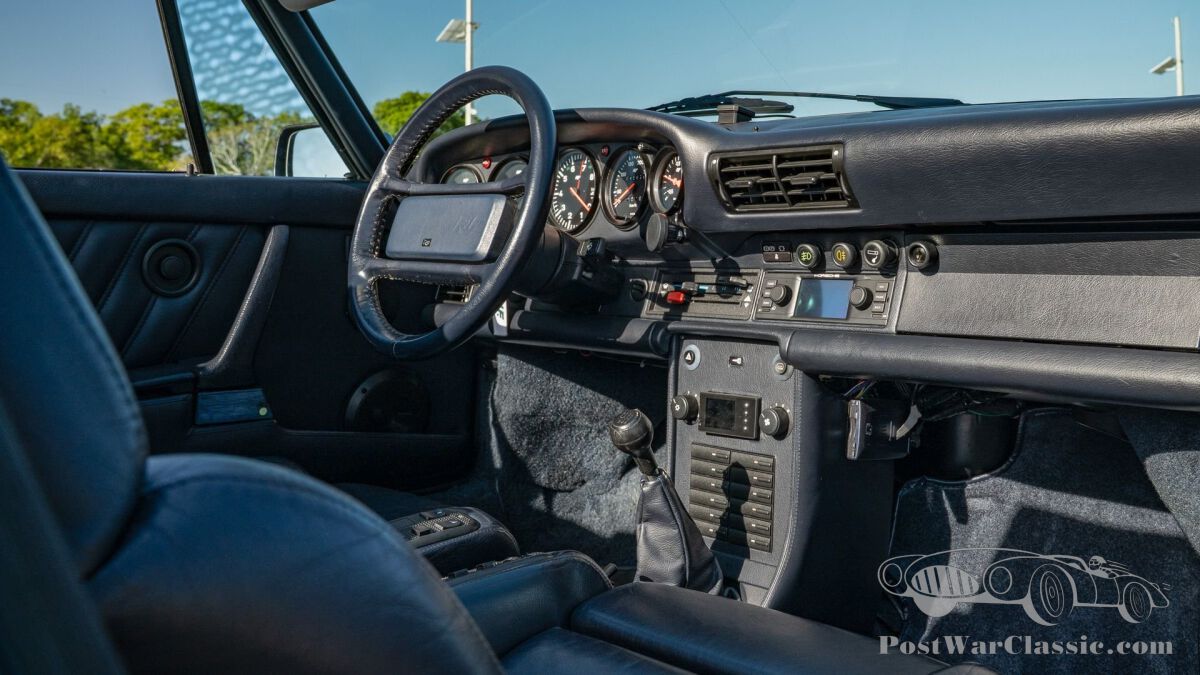
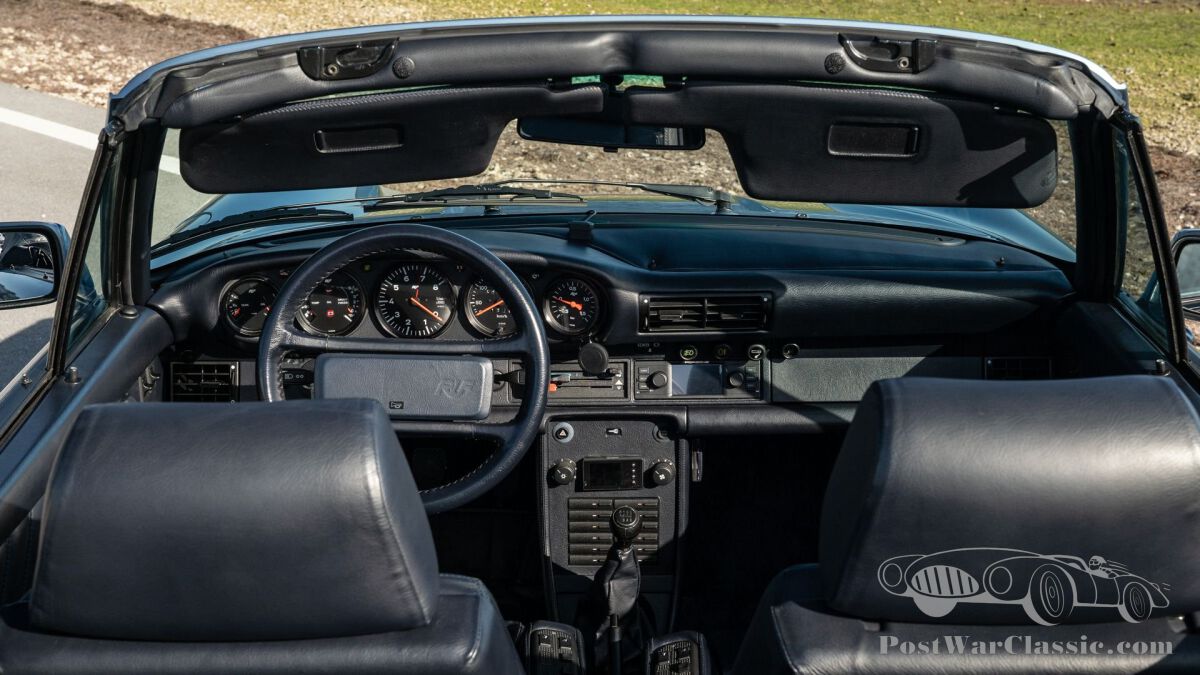
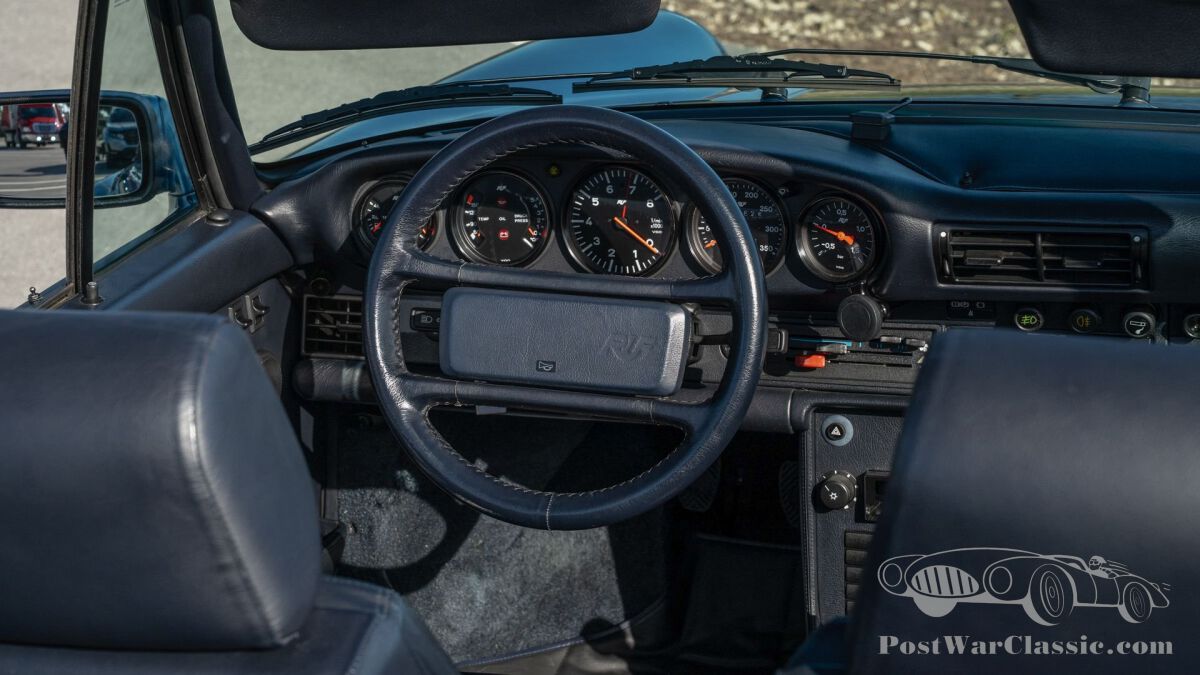
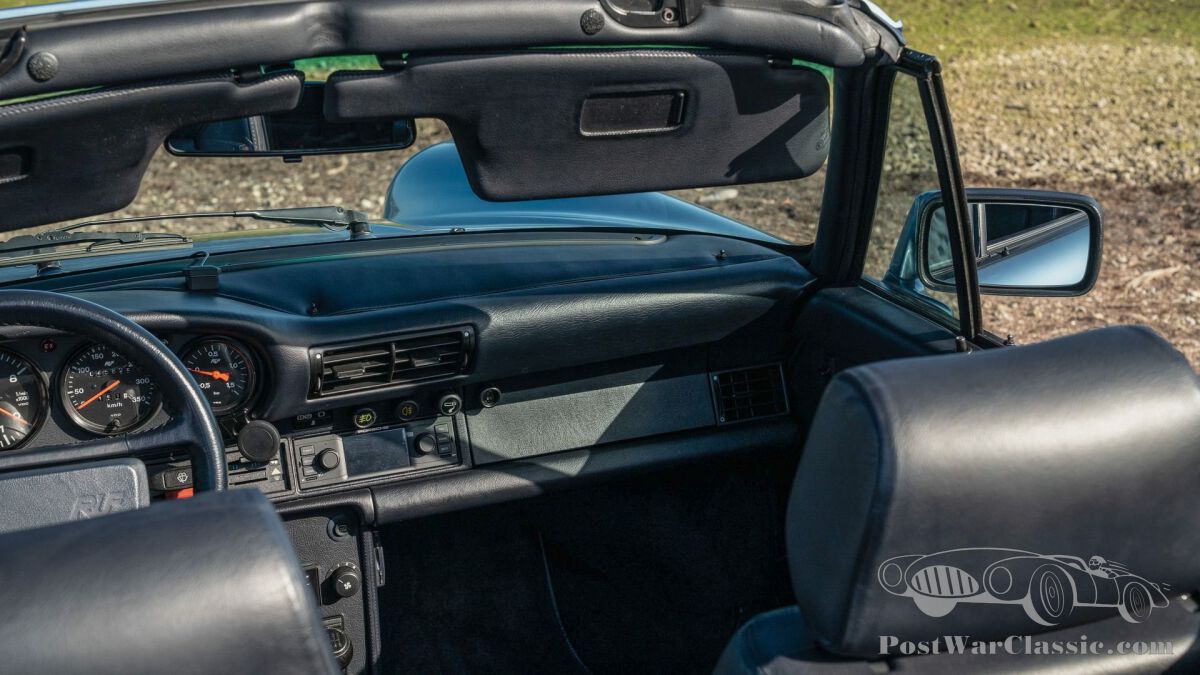
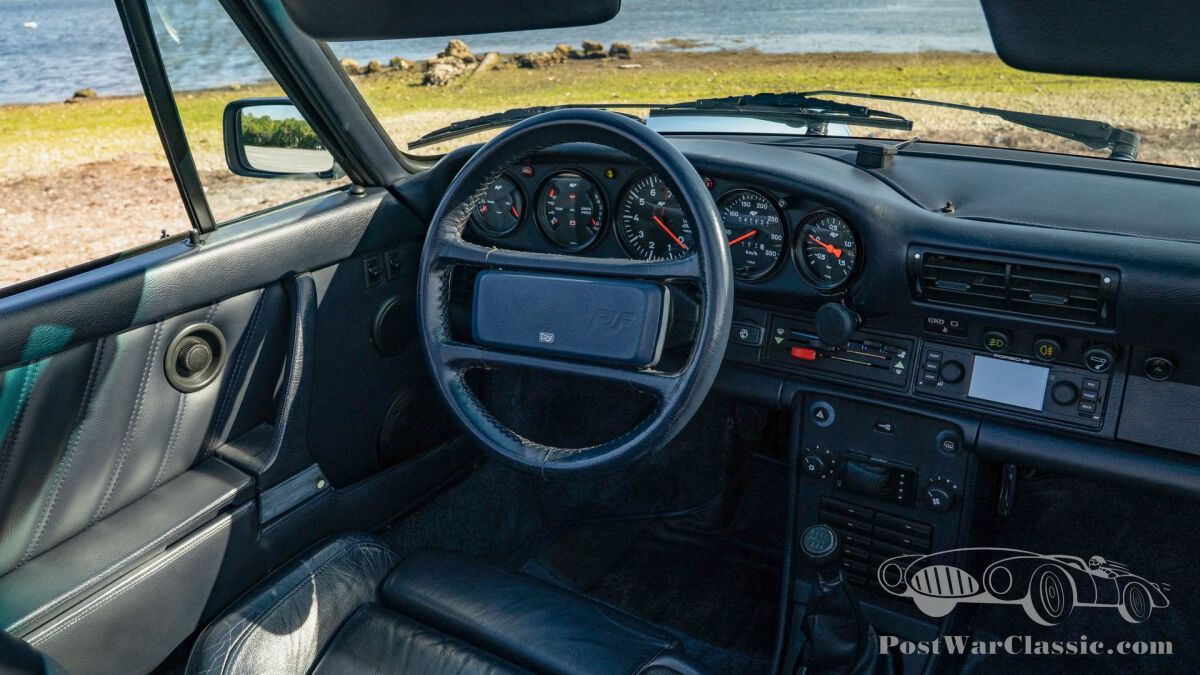
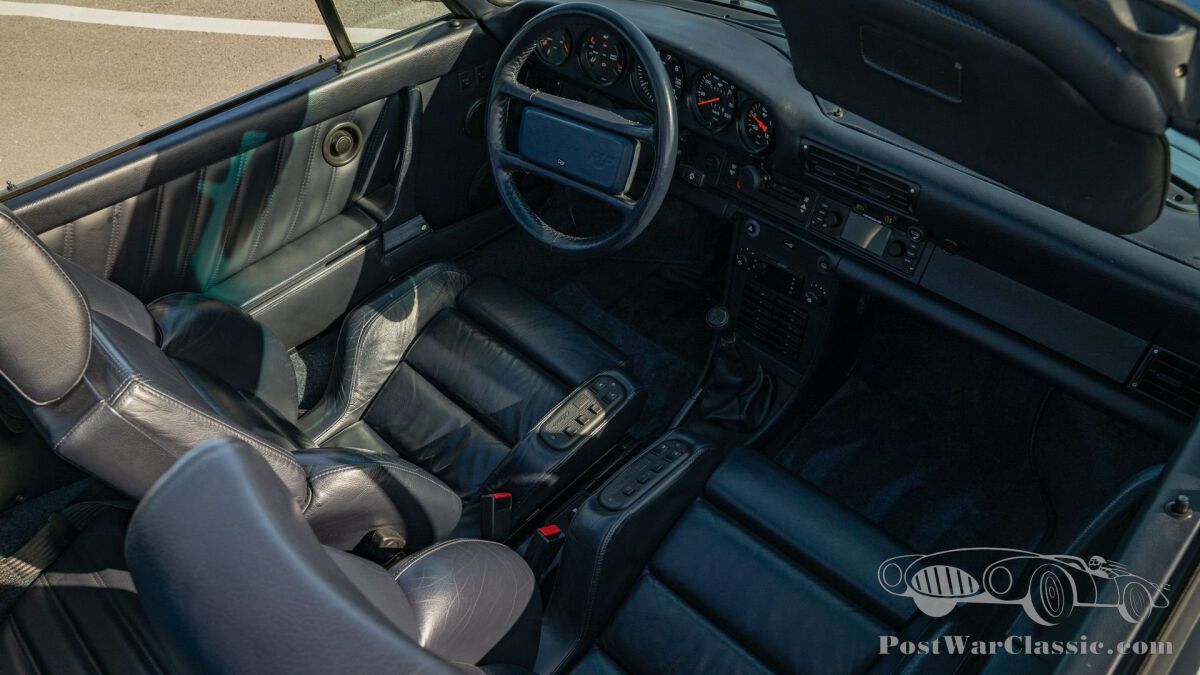
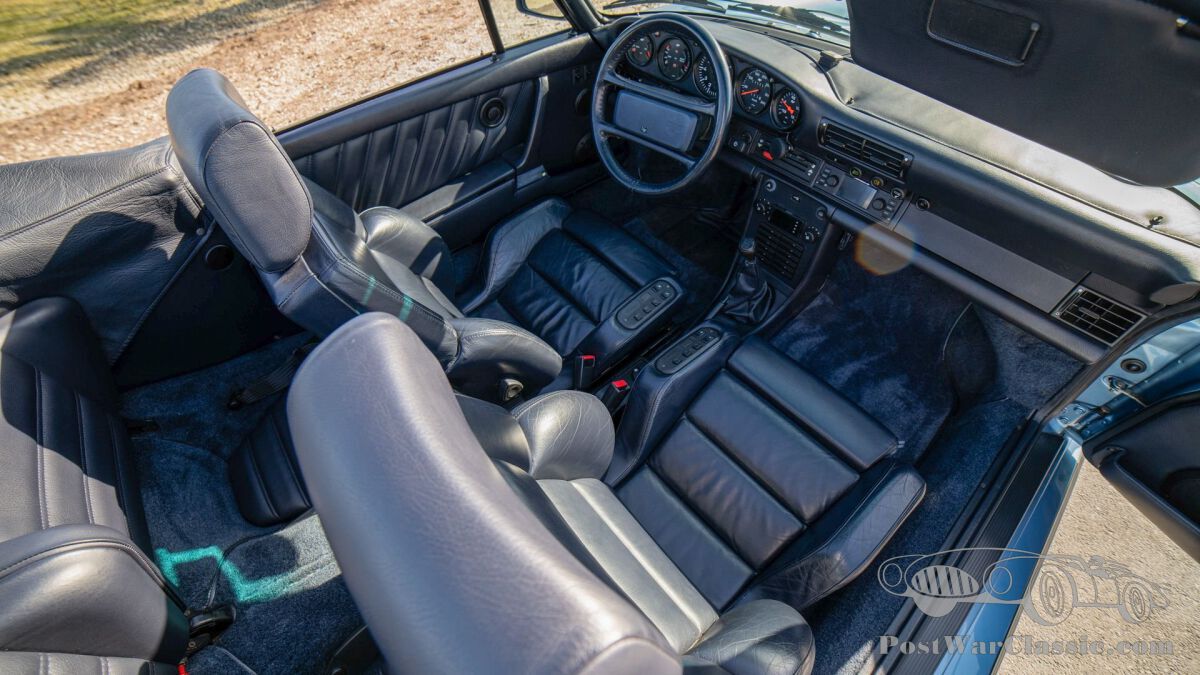
For all its performance, the cabin is a welcoming place, with Dark Blue leather and carpeting, as well as optional air conditioning, a green top-tinted windshield, central locking, electric power windows, and an elevated-hub four-spoke steering wheel. The driver and passenger are cosseted by Recaro's extremely comfortable C-Classic electrically adjustable sport seats, likewise covered in matching Dark Blue leather, while ahead, a 350-km/h speedometer and 1.5-bar boost gauge replace the standard clock.
Upon completion, the car was invoiced on 14 June 1991 and exported to Japan, where it would remain for the next 31 years. First registered in September 1991, detailed Japanese ownership records document the car's mileage and chain of ownership, beginning in Osaka with Ishida Engineering. Service book stamps with detailed notes and invoices reveal three decades of care and devotion that included engine work, regular inspections, and general service work. In February 2022, the car was exported with approximately 41,100 km (c. 25,500 miles).
After arriving in the United States, the BTR III Cabriolet received further attention, with invoices on file documenting a comprehensive detailing and light cosmetic restoration of the undercarriage. Later that year, the car was acquired by the consignor and entrusted to the specialists at Zweck for an inspection, road test, dry ice cleaning, and fresh fluid service.
Today, this strikingly original and well-preserved BTR III Cabriolet is offered with just 45,625 kilometers (approximately 28,350 miles) at the time of cataloging, retaining its matching-numbers engine and ultra-rare RUF six-speed transmission. One of the final evolutions of the model that established RUF as a world-class manufacturer, this example combines the open-air appeal of the Cabriolet with the ultimate specification of the BTR, including numerous CTR-derived components. Accompanied by a copy of its RUF-issued Zertifikat, Japanese registration and service records, and invoices documenting its recent care, this exceptional W09-chassis RUF represents not only one of the most highly specified and thoroughly documented examples of its era, but also the ultimate expression of the very model that inaugurated the legendary W09 series.




 1967 Chevrolet Camaro Z/28 Trans-Am ex-Alan Green Chevrolet | The Quail Auction 2026
 1961 Chrysler 300 G Convertible | The Quail Auction 2026
 1953 Mercedes-Benz 300 S Roadster | The Quail Auction 2026
 1990 Porsche 911 Targa Reimagined by Singer "Coconut Grove Commission" | The Quail Auction 2026
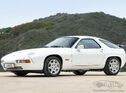 1987 Porsche 928 Clubsport Prototype ex-Jochen Mass | The Quail Auction 2026
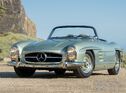 1957 Mercedes-Benz 300 SL Roadster | The Quail Auction 2026
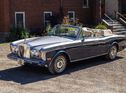 1991 Rolls-Royce Corniche III | The Quail Auction 2026
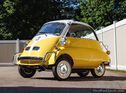 1958 BMW Isetta 300 | The Quail Auction 2026
 2009 Porsche 997 (911) CARRERA 4S CABRIOLET
 1990 Porsche 911 Targa Restomod | The Quail Auction 2026
 1982 Porsche 928 Convertible by Straman | The Quail Auction 2026
 1994 Porsche 911 Turbo 3.6 | The Quail Auction 2026