La rivista e il marketplace globale per gli appassionati di auto d’epoca, creati da appassionati.
La rivista e il marketplace globale per gli appassionati di auto d’epoca, creati da appassionati.


Filter
Faccia la sua scelta
- Automobile
-
Marca >>
-
Anno >>
-
- Motociclette
-
Anno >>
-
-
Ubicazione >>
- Parti e altro
-
Marca dell'auto >>
-
Produttore >>
-
Categoria >>
-
Paesi


About tough to crack puzzle #97
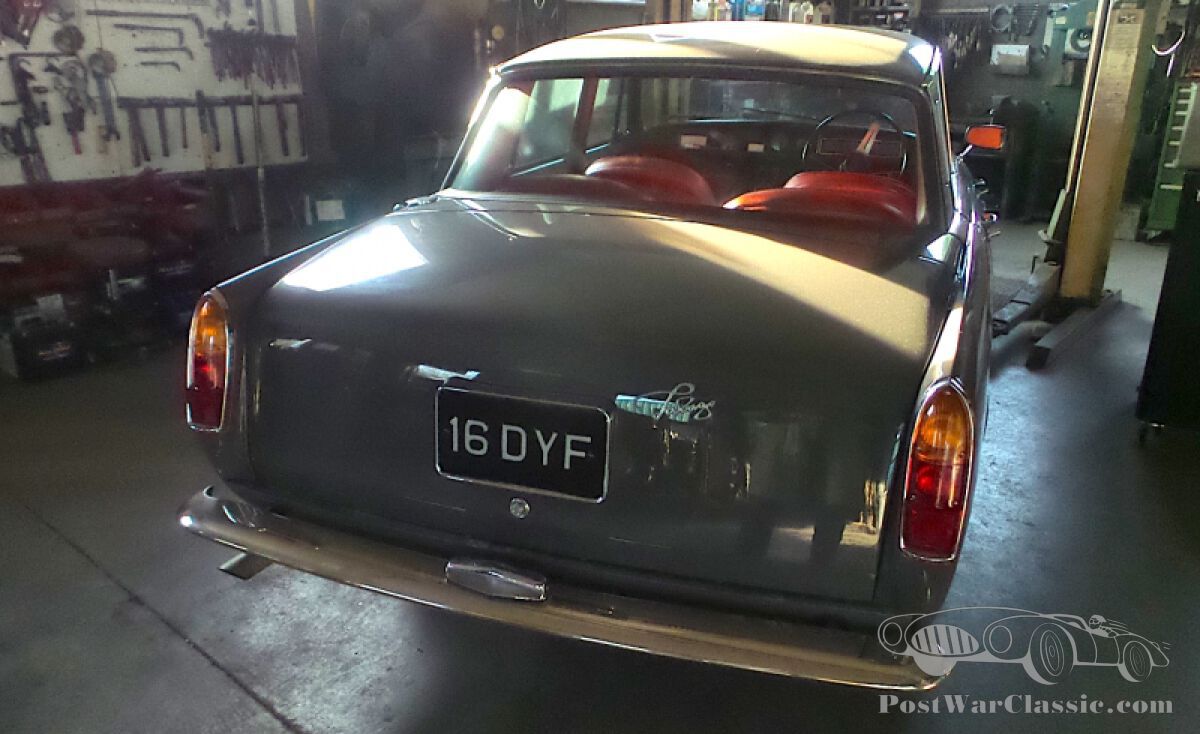
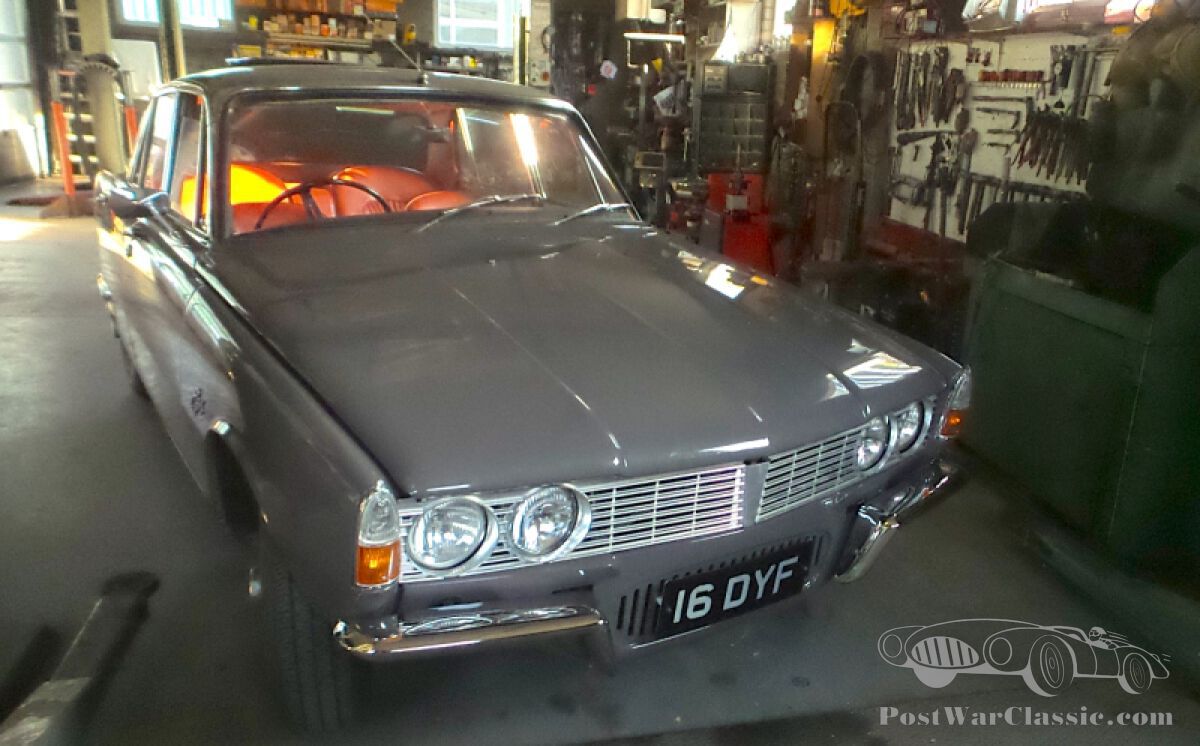


Yes, you knew it – our last mystery motor was some kind of Rover P6. One reader wrote: “It looks to be a Rover P6 (Rover 2000 in the UK), but there are a couple of small points that make me wonder if it's an overseas copy. You text makes one wonder too! The front badge looks too slim, the front overriders look different and is there some text on the front wing? But I'll still have to say it's a Rover!”
Well, that’s a good starting point, and all correct, too. In fact it’s a P6 prototype that came to life under another name – Talago. Alan Spencer wrote: “Looks like the prototype Rover P6, which was known by its code name ‘Talago’. You've very cunningly used a pair of photos that don't show the wire wheels, which would have been a huge clue!” He’s right. In fact this car is the only lasting product of the Talago Motor Company that was set up by Rover in the late 1950s. The name originated from one man: Ted L. Garowski, whose initials (TLG) were used to make it up. Not much is known about Garowski, an engineer who used to work for Ford with Hungarian background, but the Talago certainly must have been his masterpiece.
Herman van Oldeneel wrote: “It was used as development mule and looks almost as the production car”, with Hendrik Stockman adding: “Rover hand-built 16 prototypes in all between February 1959 and August 1962. This one is chassis number P6/16, the last one built, and is very close in appearance to the final production cars.” Indeed. Sixteen prototypes were built, with this car being the very last of them and the one used for ‘NVH’ testing - noise, vibration and harshness.
Luc Rijckaert knew that, too, and thus wins the prize for this time, writing: “Originally left hand drive for speed, noise and vibration tests on the Continent, it was converted to right hand drive in 1964. As test mule for the Buick V8 engine, manual gearbox and sports suspension it's hard life continued. In 2000, Ian Trapp started a 10 years and £65.000 consuming restoration, to rebuild the car as close as possible to the final development prototype. In 2011, it changed hands at auction for £18.500.”
The man who actually bought it replied too, but was rather short in his answer, while we know he has a fountain of knowledge about this historic car. Do join us next time for another puzzle Richard!
(Words Jeroen Booij, picture prewar car)
Pubblicato:
venerdì novembre 28th, 2014
Facebook
LinkedIn
Twitter
WhatsApp
Email
Copy