La rivista e il marketplace globale per gli appassionati di auto d’epoca, creati da appassionati.
La rivista e il marketplace globale per gli appassionati di auto d’epoca, creati da appassionati.


Filter
Faccia la sua scelta
- Automobile
-
Marca >>
-
Anno >>
-
- Motociclette
-
Anno >>
-
- Parti e altro
-
Marca dell'auto >>
-
Produttore >>
-
Categoria >>
-
Paesi


Farewell to the Hammond Microcar Museum

The impressive collection was built up over more than 40 years

1973 Reliant TW9 road-sweeper guards the gates

Crowds inspect the projects, including an Anzani Astra van chassis and an unidentified 'race-type car"

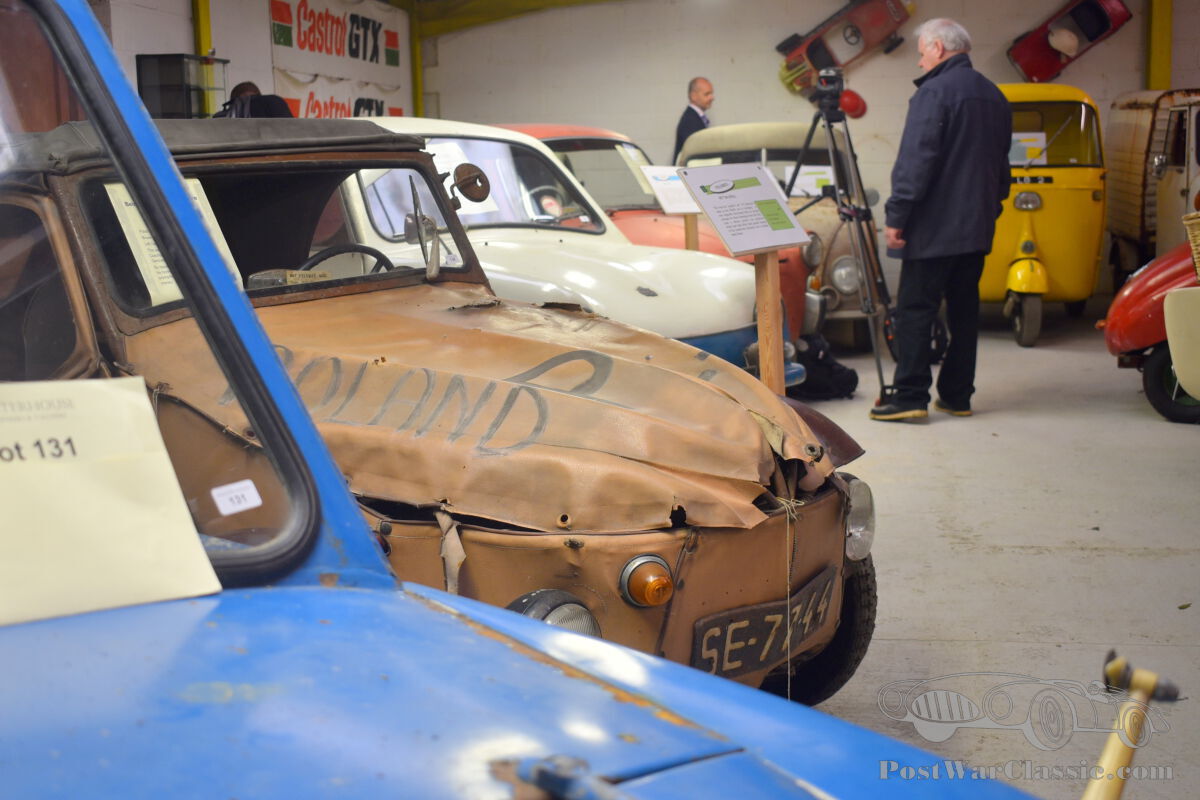

The 1958 Heinkel which started the collection in 1976

1972 Fiat 500 was donated to a Scout jumble sale before the Hammonds bought it in 1985

An attractively scruffy 1961 Fiat Multipla

The Czechoslavakian 1967 Velorex

The pheasant-worrying Eccles Executive
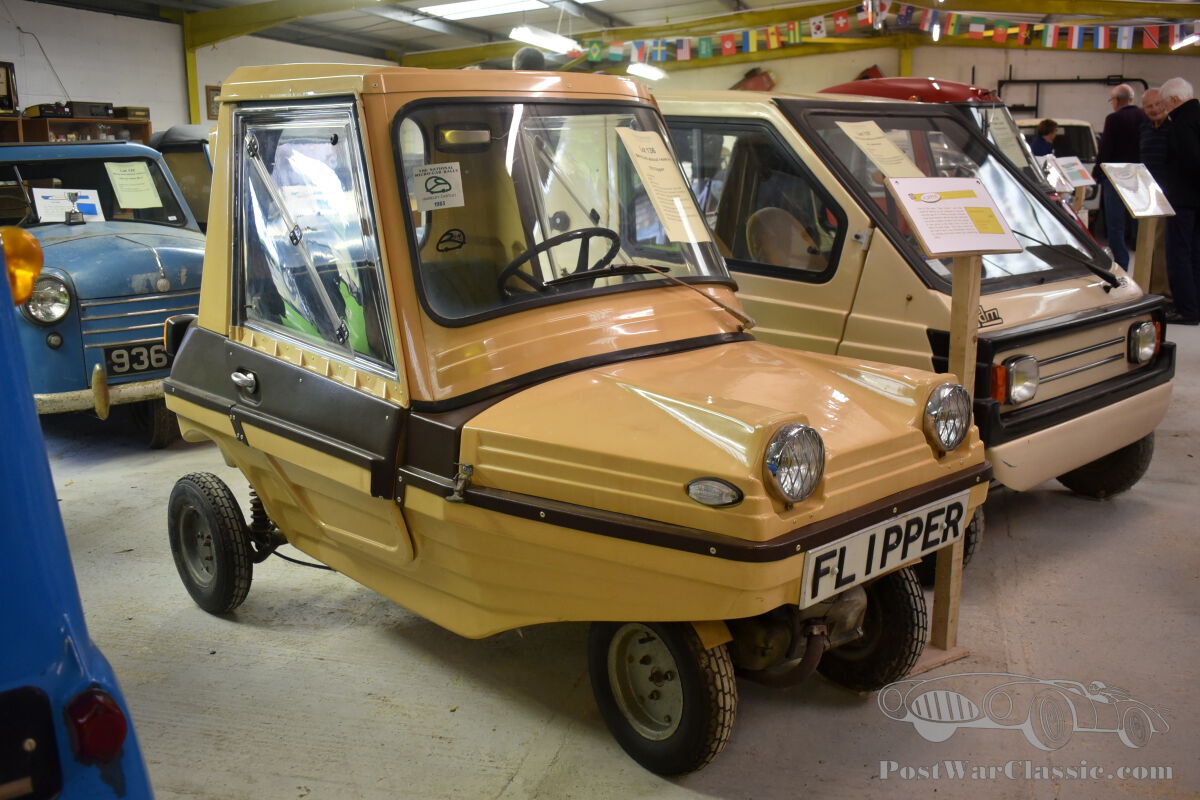
The 1970 Flipper, typical of the French sans permis
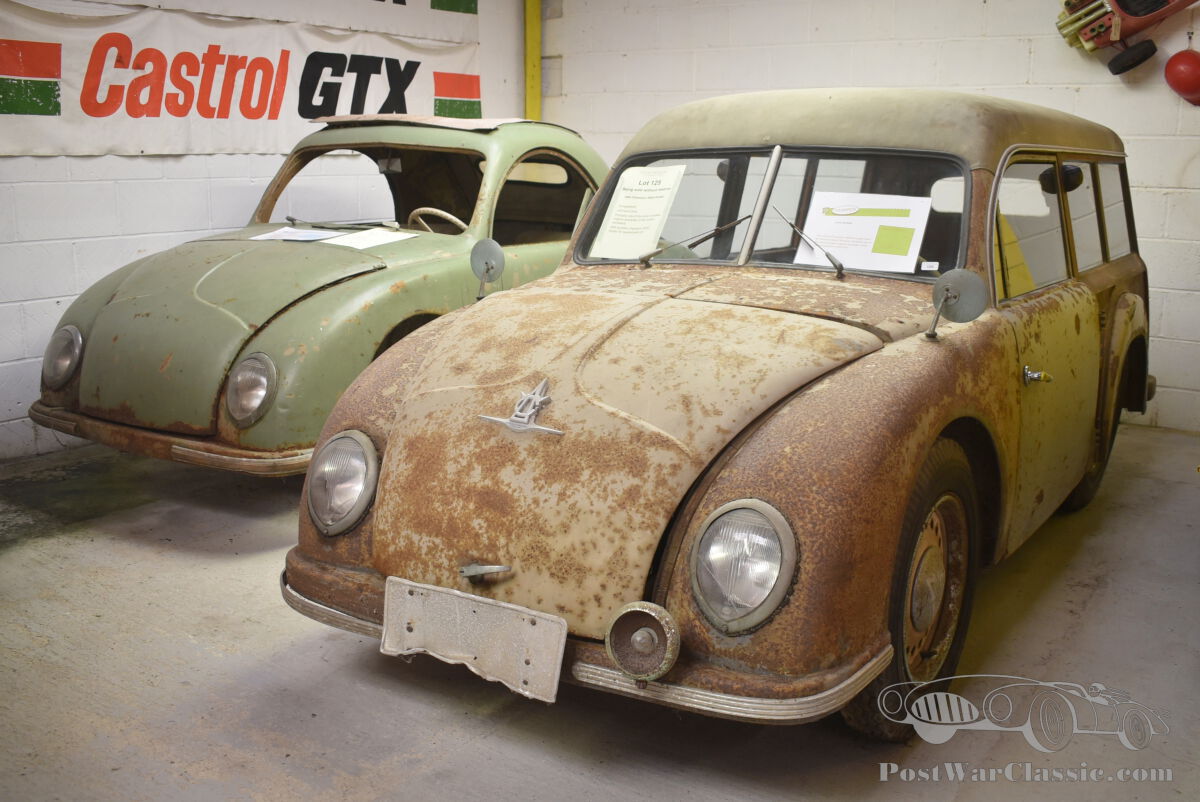
Two of the collections four Champions, a 400 and a 500G Kombi

The cabriolet resembled a cruder version of Hebmüller's Beetle cabriolets

The brilliantly eccentric 1992 Moby

The sole-surviving 1959 Opperman Stirling

Nicely restored 1957 Glas Goggomobil Regent
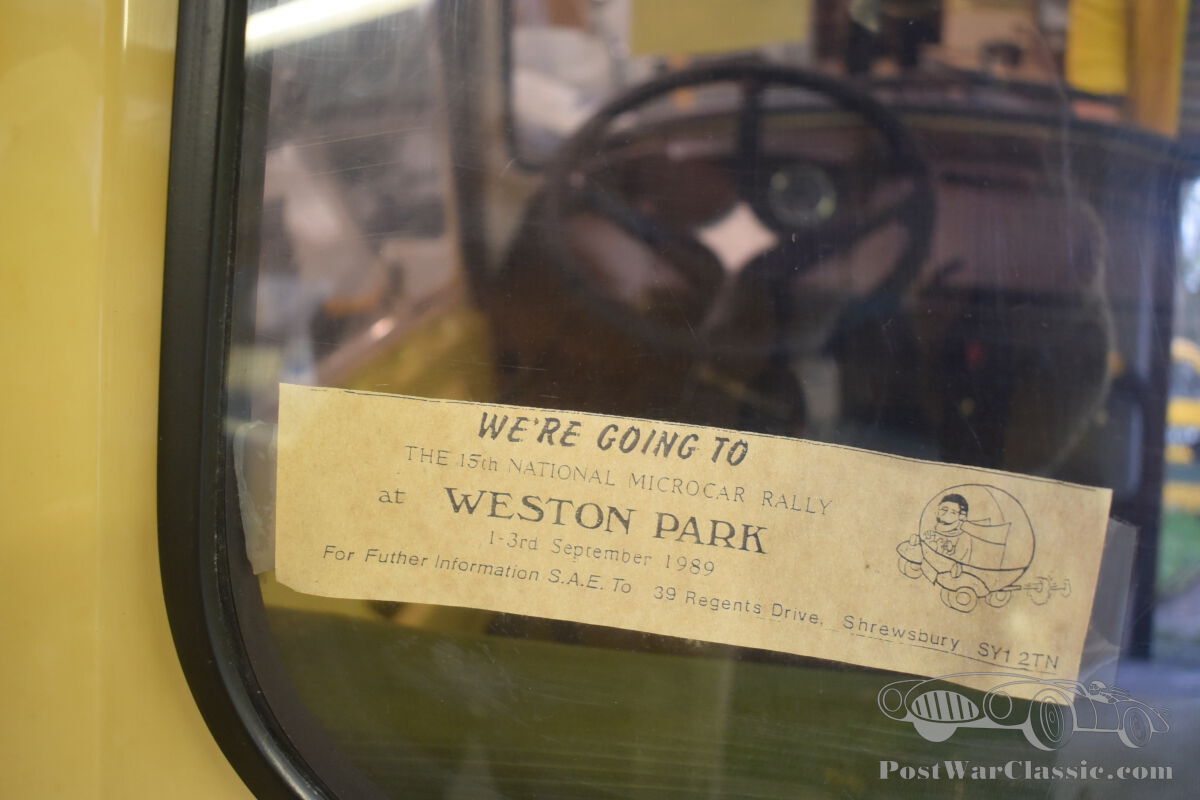

1959 Opperman Unicar was owned from new by an Opperman employee until his death in 2003
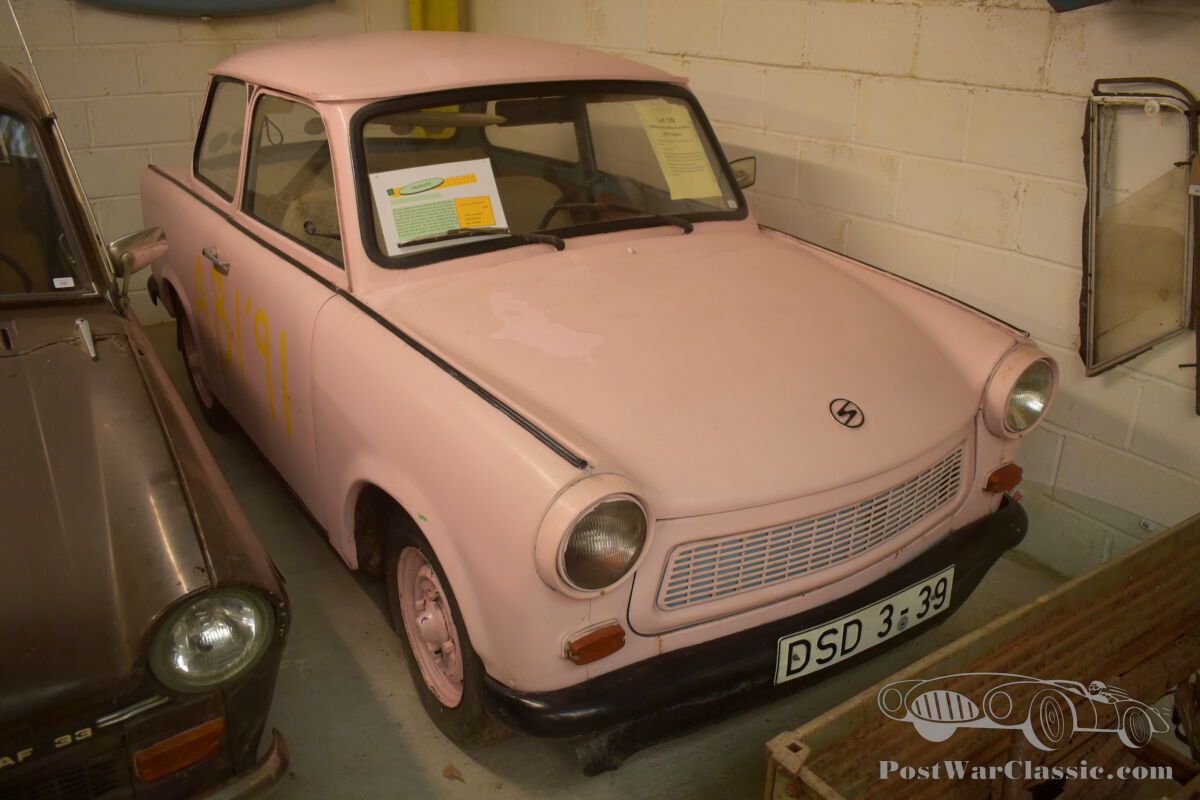
The 1979 Trabant rescued from the former USSR by schoolboys

The 1954 Allard Clipper was one of Britain's first fibreglass cars, and one of the last with a dickey seat


Thursday 27th October was a sad day for microcar enthusiasts when one of the world's most prominent collections was dispersed at auction. Enthusiasts, including other major microcar collectors, travelled from around Britain and even from Europe to attend the sale of the Hammond Microcar Museum.
The collection started in 1976, when Edwin and Jean Hammond of Sidcup, Kent, were worried by their 16-year-old son's threats to buy a motorcycle. Fancying he'd be better off with an extra wheel, Edwin bought him a 1958 Heinkel which they restored as a father-and-son project. We're not sure what the son made of it, but Edwin was quite smitten, and, after moving to a farm in the Kent countryside, the collection grew and grew. Jean continued collecting after Edwin's death until the collection totalled around 47 cars (depending on whether certain derelict vehicles could be considered complete cars or not). Sadly, Jean can no longer sustain the collection on her own, hence the sale.
Some of the world's rarest cars
Among the cars offered, many are extremely rare or else completely unique, while others appeal simply because they come with lots of history. Many were bought as restoration projects which still require finishing, but others would be best kept as they are, recommissioned, and enjoyed with an 'oily rag' patina.
The collection included no fewer than four of the handful of surviving Champions (two 400 cabriolets and two 500G Kombis), the only survivor of two Opperman Stirlings plus an Opperman Unicar, and one of three surviving Allard Clippers, a marked departure from Allard's usual Ford V8-powered sports-cars which scarcely got off the ground due to trouble with the fibreglass moulds.
Endless variety and fascinating histories
Of particular interest were a handful of sans permis - French and Italian cars which could be driven by 14-year-olds without a licence - and an Eccles Executive, an electric cart designed for transporting shooting parties around country estates which had been made road-legal by a lady wanting to use it for shopping. The 1992 Moby, a stillborn prototype from Christchurch, Dorset, was amusingly reminiscent of the 1920s SEAL three-wheeler. The historical social importance of Trabants is well-known, but we especially enjoyed the provenance of the collection's pink example, which was liberated from East Berlin by schoolboys after the fall of the Berlin Wall and presented to their teacher as a leaving present, but she was too embarrassed to ever drive it...
It's a shame to see such a wonderful collection broken up, but hopefully all the lots have found good homes with enthusiasts who will get them back on the road, and give them the promotion they fully deserve.
Words and photos: Zack Stiling
Pubblicato:
lunedì ottobre 31st, 2022
Facebook
LinkedIn
Twitter
WhatsApp
Email
Copy