La rivista e il marketplace globale per gli appassionati di auto d’epoca, creati da appassionati.
La rivista e il marketplace globale per gli appassionati di auto d’epoca, creati da appassionati.


Filter
Faccia la sua scelta
- Automobile
-
Marca >>
-
Anno >>
-
- Motociclette
-
Anno >>
-
- Parti e altro
-
Marca dell'auto >>
-
Produttore >>
-
Categoria >>
-
Paesi


Do you recognize this convertible?
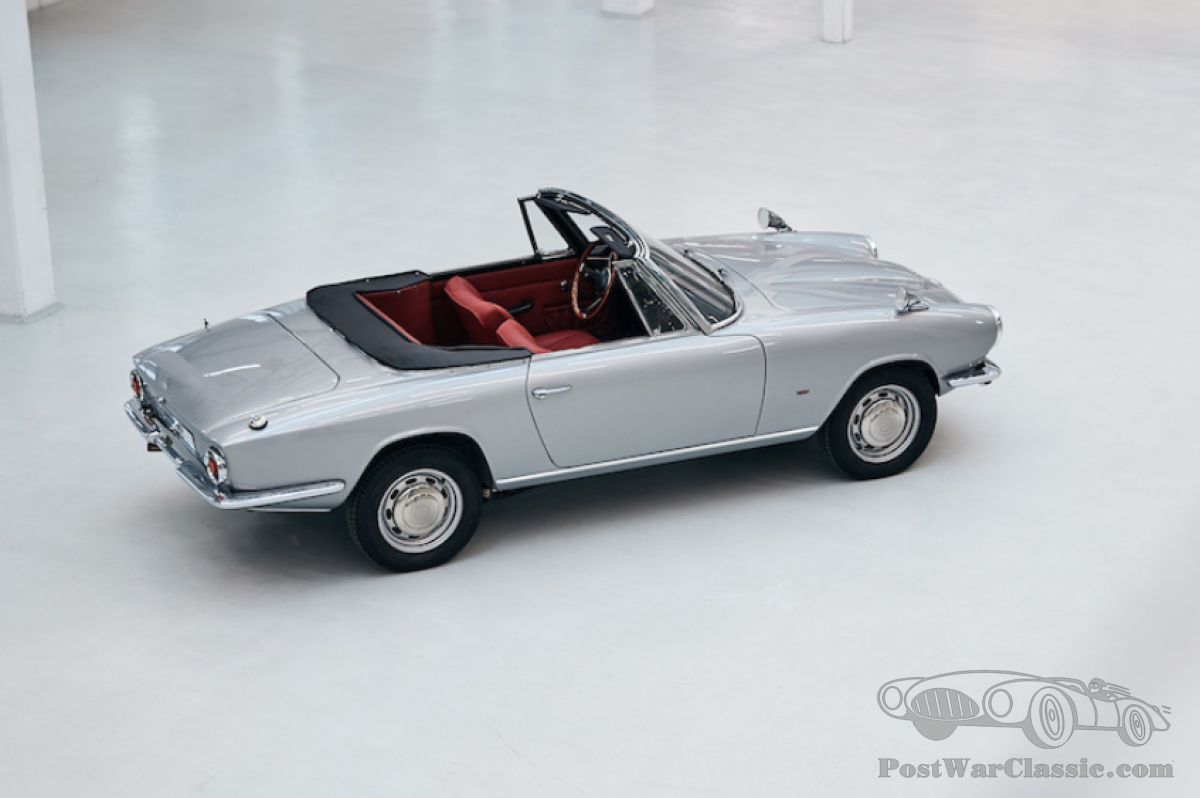
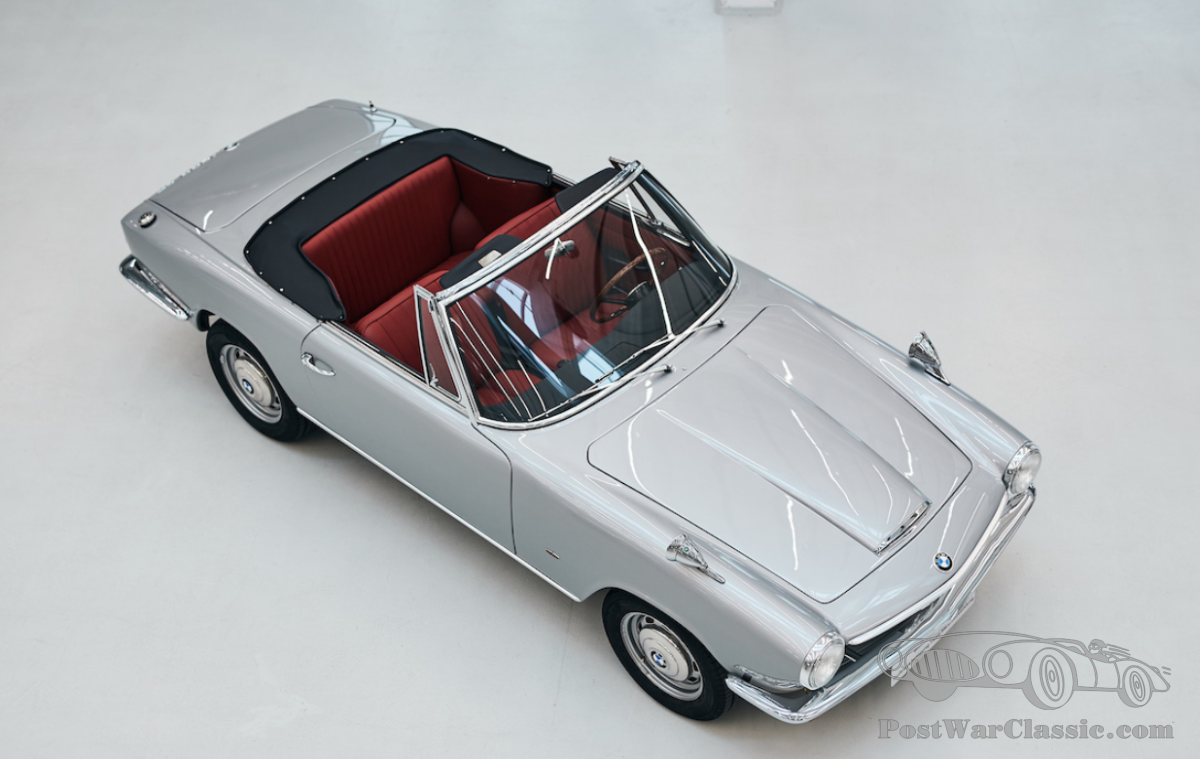
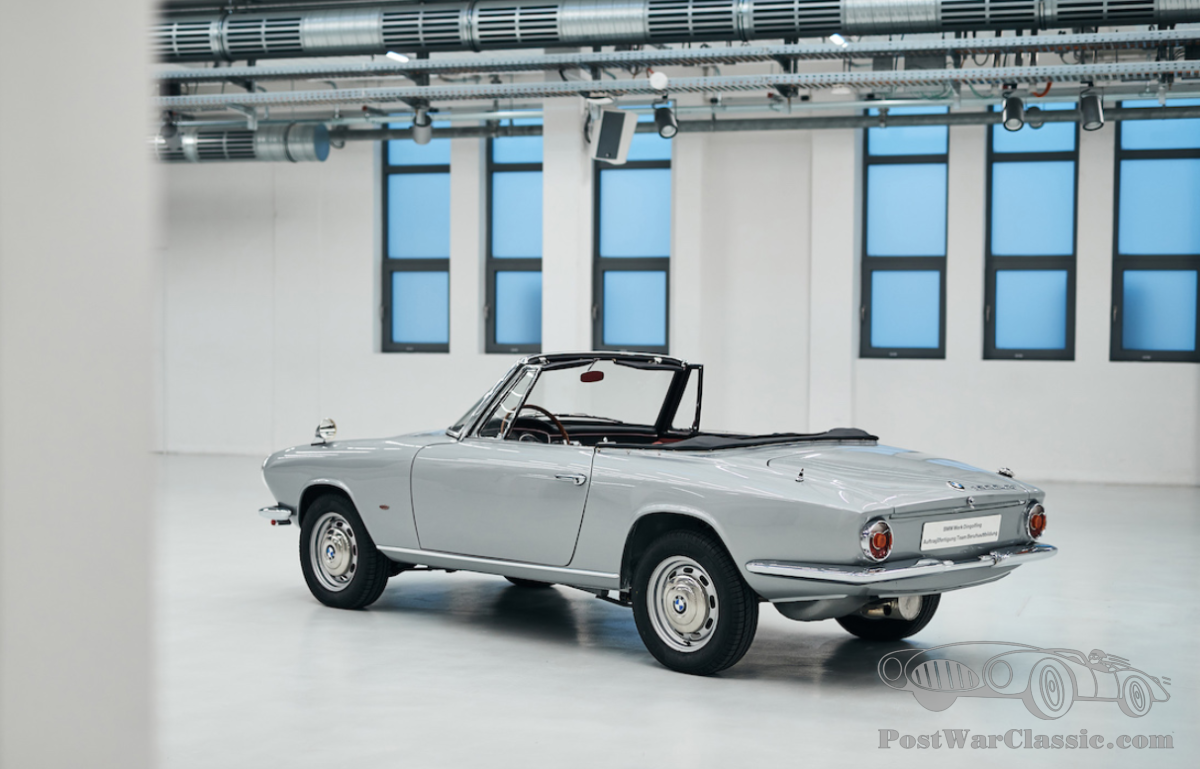
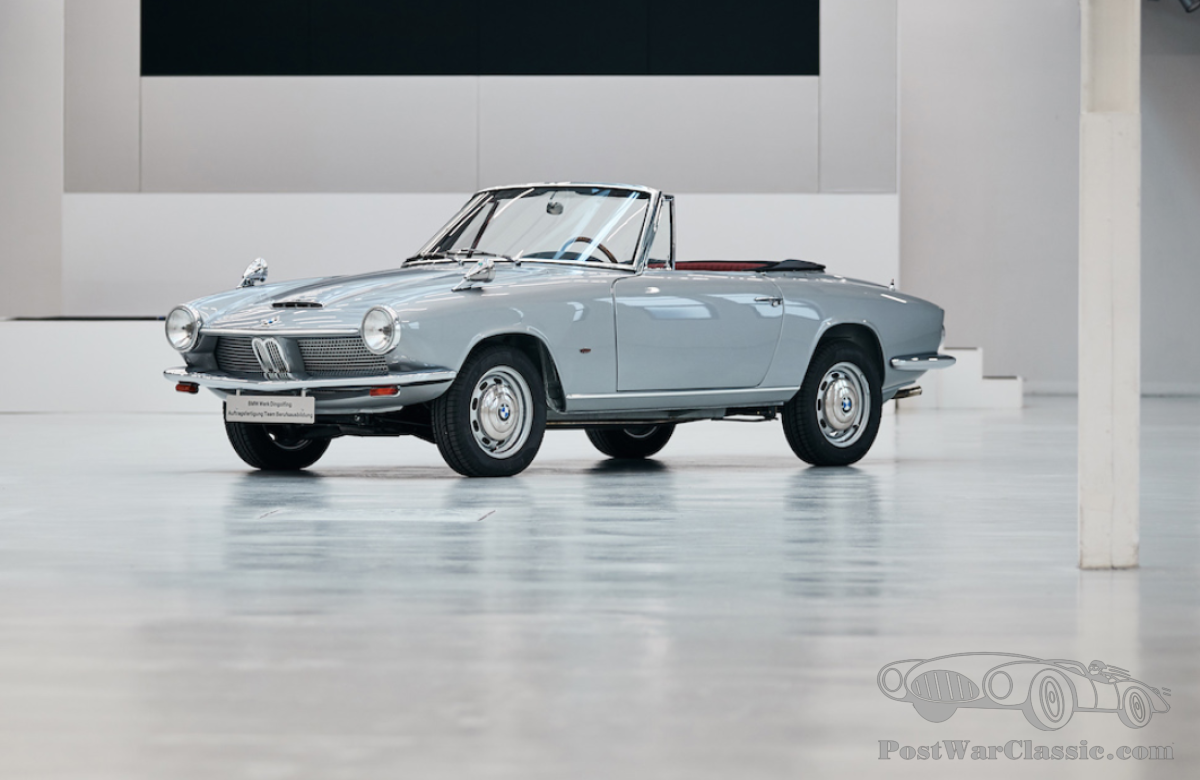
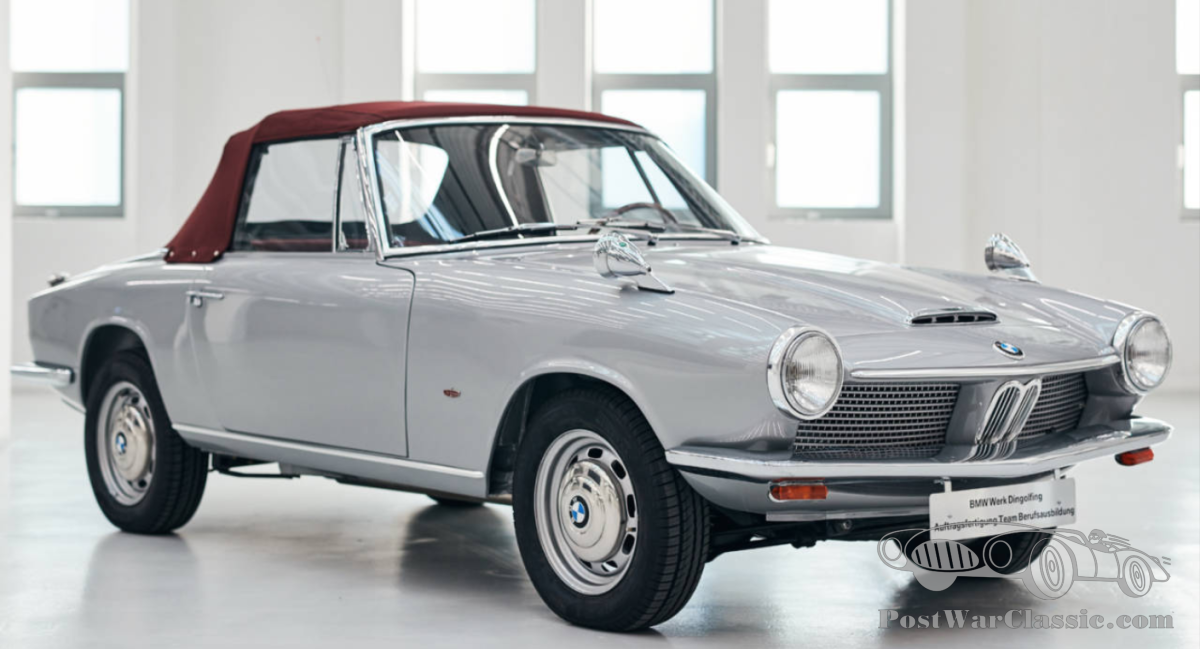
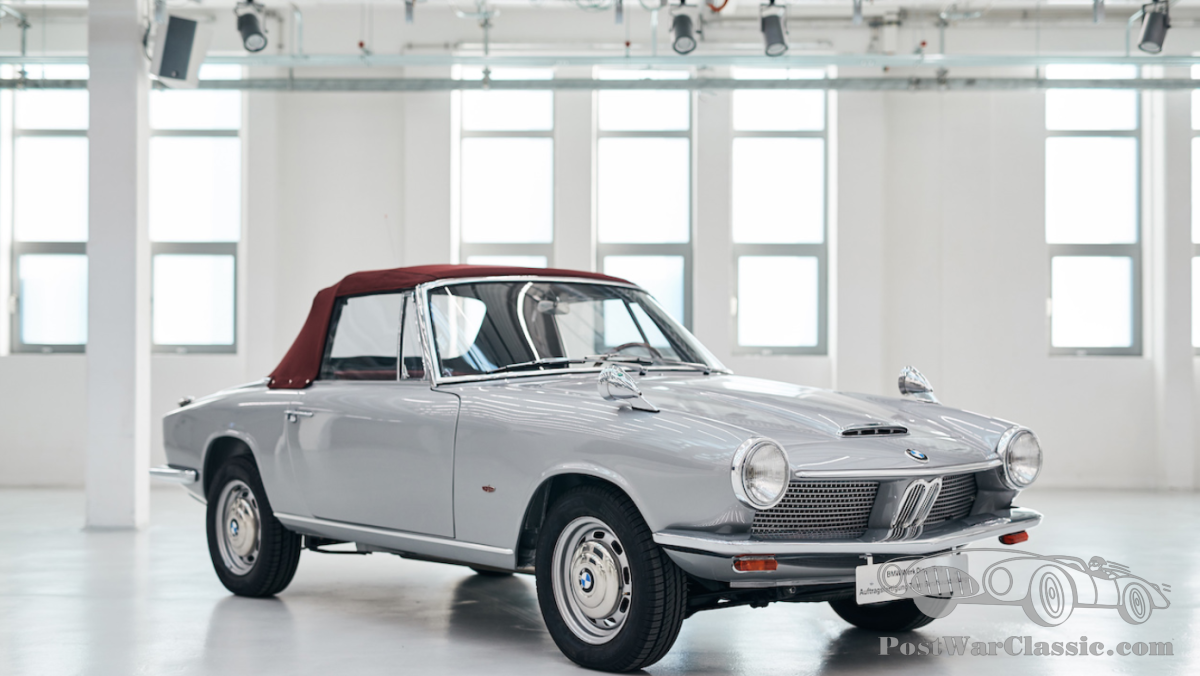
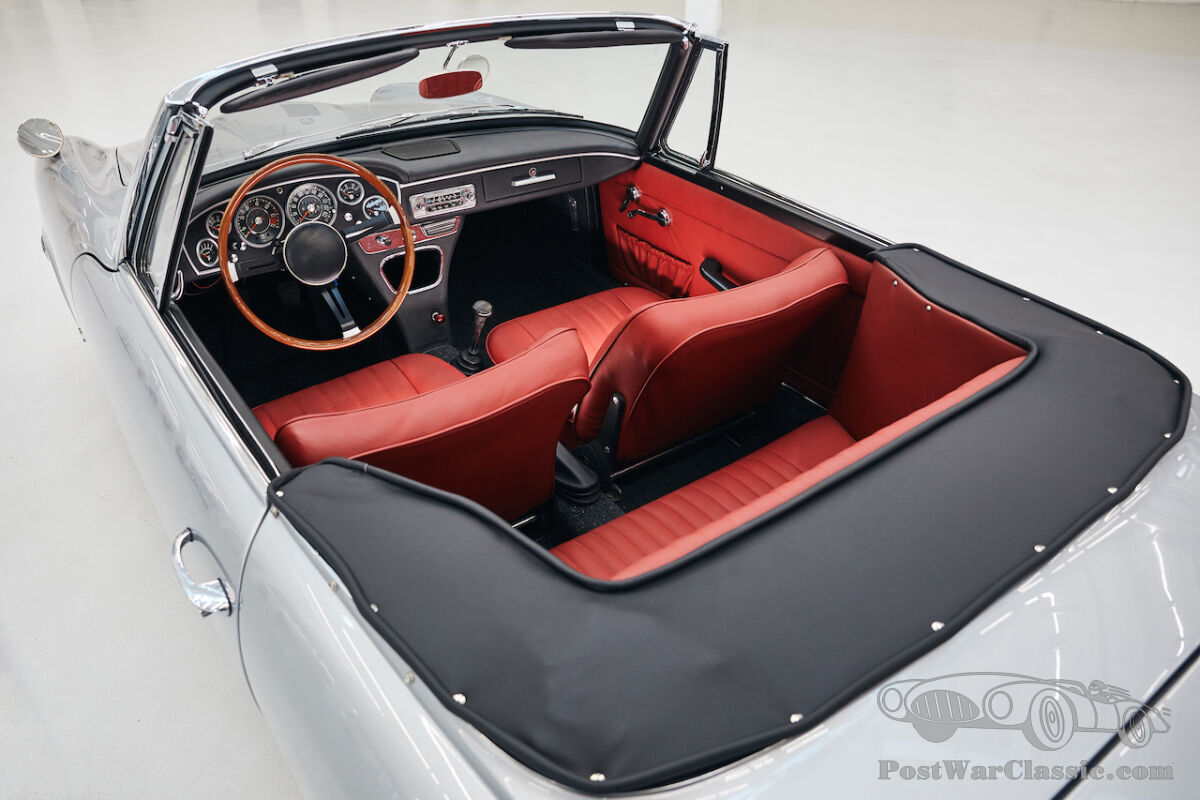


Don’t cheat. We’ve only shopped out the badges on the main picture, but the ones below will give it all away. It’s looking rather Italian, isn’t it? Alfa-esque? An ASA or OSCA perhaps?
Well, it’s a BMW 1600 with convertible body by Ghia of Turin, so that does explain the Italian looks. It is said to have been commissioned by BMW itself after importer Max Hoffman came up with the idea. It is supposedly one of just two built by Ghia, with this one being the only survivor. Both 1600 GTs left the Dingolfing assembly line in the fall of 1967, but during a test drive one of them was involved in a crash, leaving it with so much damage that it had to be scrapped.
The surviving car was then handed to Herbert Quandt, who was BMW’s major shareholder at the time. From him it went to a fashion model from Munich and to a businessman from Fürth next, before being taken back to BMW to receive a major restoration. BMW Group Classic has now finished that job together with a team of apprentices. The whole restoration process took place at BMW’s Dingolfing plant and was meant to train apprentices who want to make a living out of rebuilding cars. Well done boys and girls!
Words editor, pictures BMW Classic
Pubblicato:
giovedì gennaio 17th, 2019
Facebook
LinkedIn
Twitter
WhatsApp
Email
Copy
Commenti
Burkhard Steins
02 Aprile 2024, 12:13
Joop Terpstra
18 Gennaio 2019, 13:25
Why are you writting only about BMW details on this particular vehicle? I think this car started life as a GLAS 1300 GT or 1700 GT.
Worth to mention or is this pedigree too simple for you?
Per saperne di più
Worth to mention or is this pedigree too simple for you?
There's a sad story about his project: Frua designed the 1300GT for the Bavarian manufacturer Glas in 1963 in two versions, coupé and roadster (or 'Cabriolet'). Glas was offering these cars and later the 1700GT until BMW took over the factory in 1967. When BMW decided to cease production pretty early on of the Glas GTs, it had to face the fact that there were still contracts with Carozzeria Maggiora which forced it to accept more bodies, so it decided to modify the former Glas 1700GT into the BMW 1600GT (with engine, gearbox and rear axle from BMW 1600TI) for as long as the rest of bodies lasted (less than a year). Only few roadster bodies were left, so only two prototypes were built. You mentioned that no BMW 1600GT Cabriolets were launched on the market, which is tragic, because the design is so beautiful and in that time BMW had no open sports car.