La rivista e il marketplace globale per gli appassionati di auto d’epoca, creati da appassionati.
La rivista e il marketplace globale per gli appassionati di auto d’epoca, creati da appassionati.


Filter
Faccia la sua scelta
- Automobile
-
Marca >>
-
Anno >>
-
- Motociclette
-
Anno >>
-
- Parti e altro
-
Marca dell'auto >>
-
Produttore >>
-
Categoria >>
-
Paesi


Gran Turismo greats: a pair of Alfa Romeo 6C 2500s by Touring and Farina
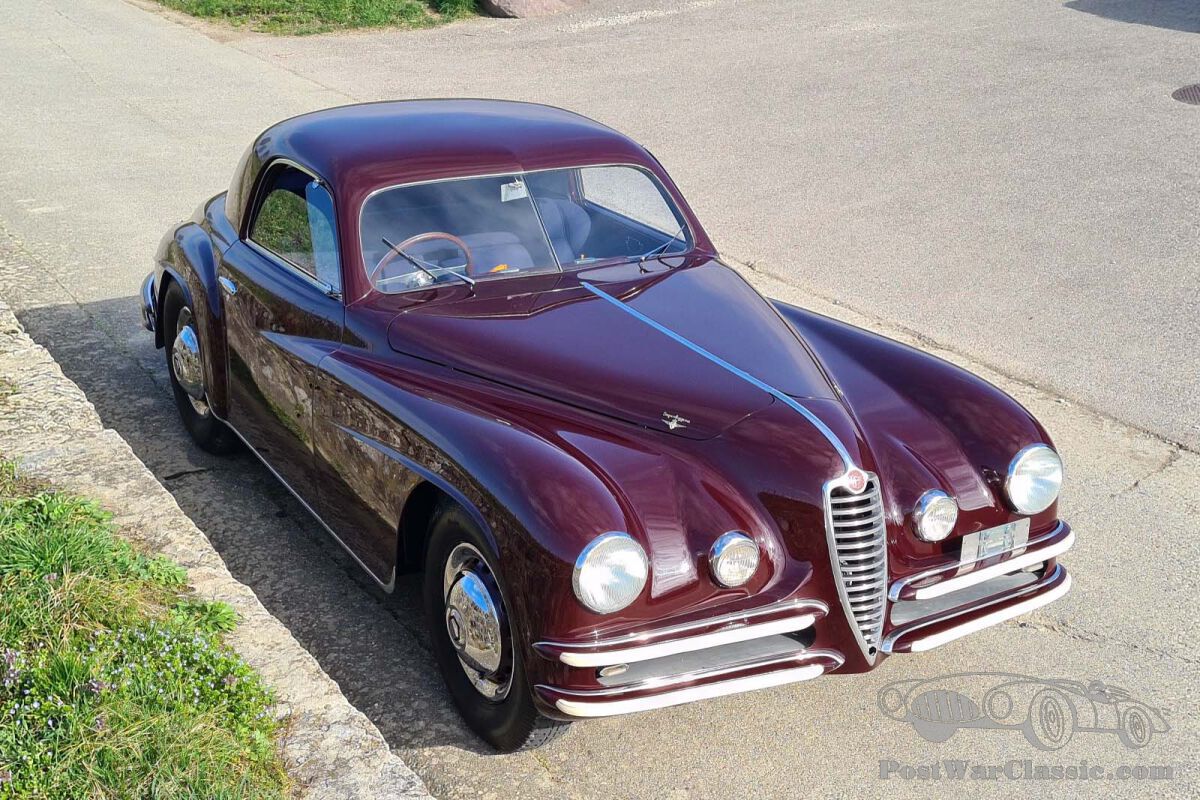
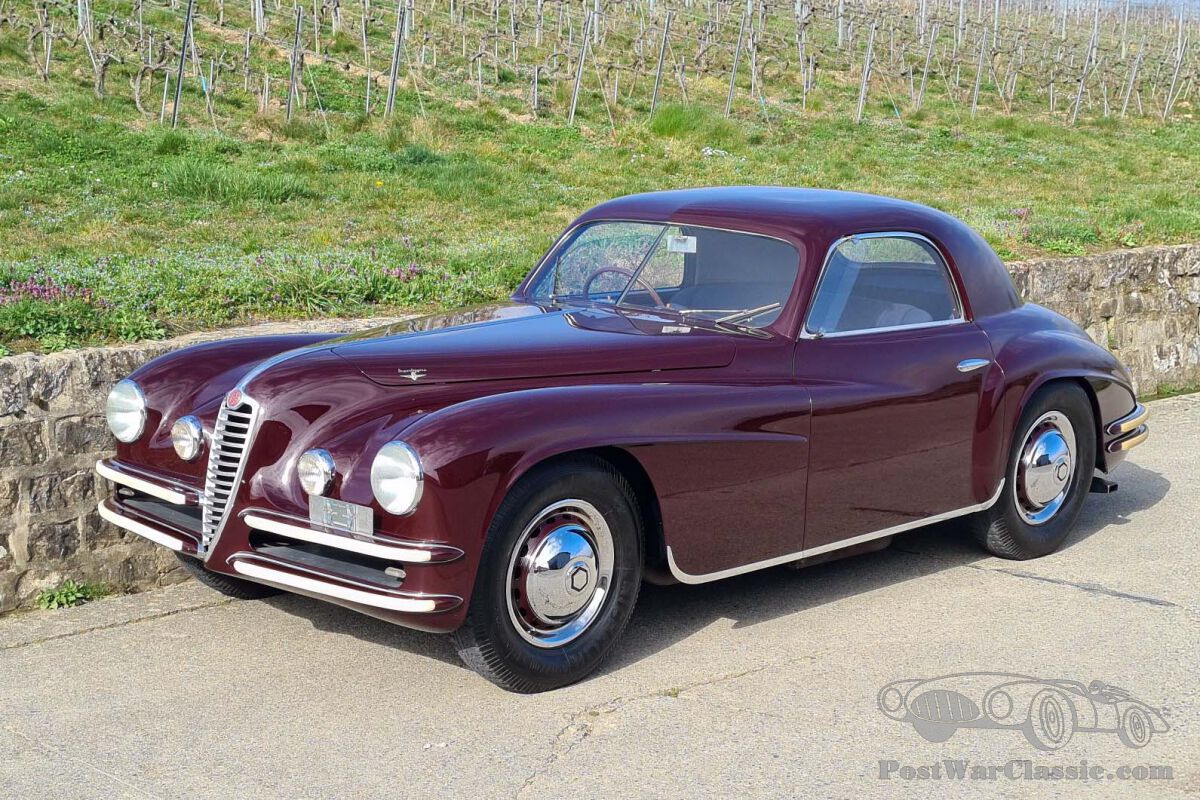
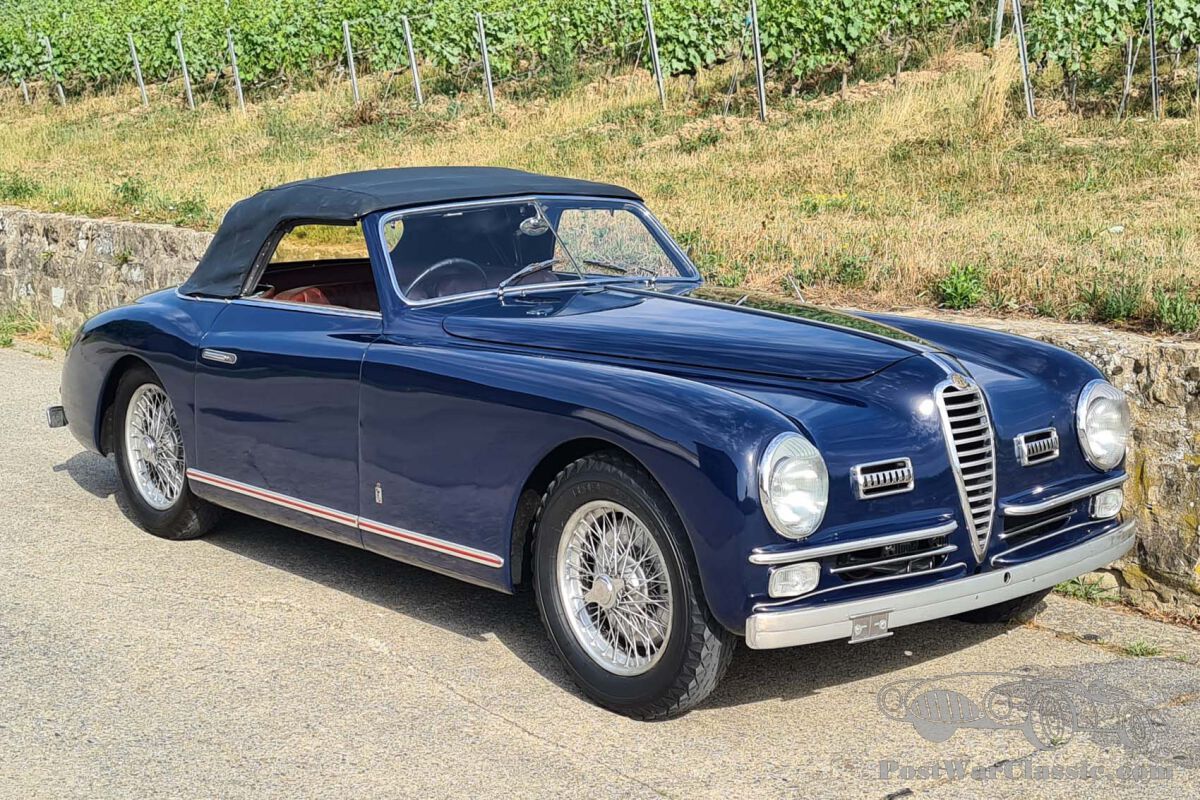
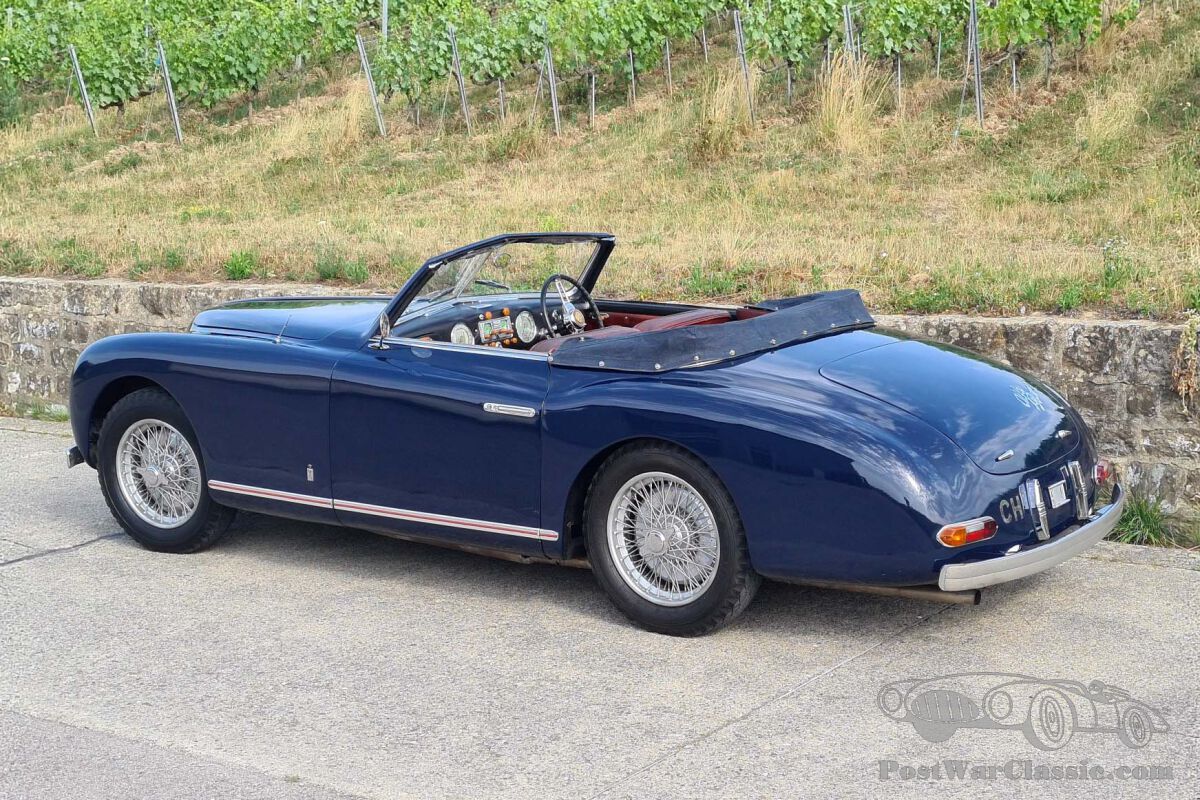
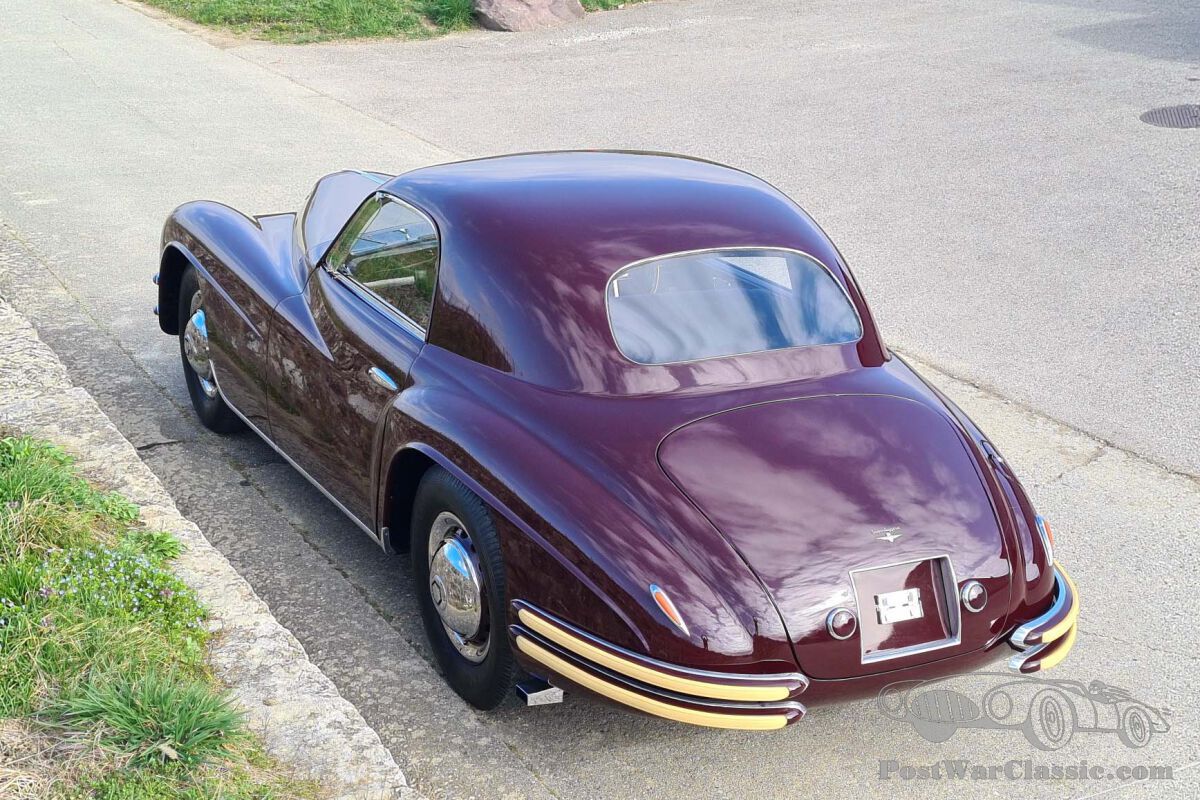
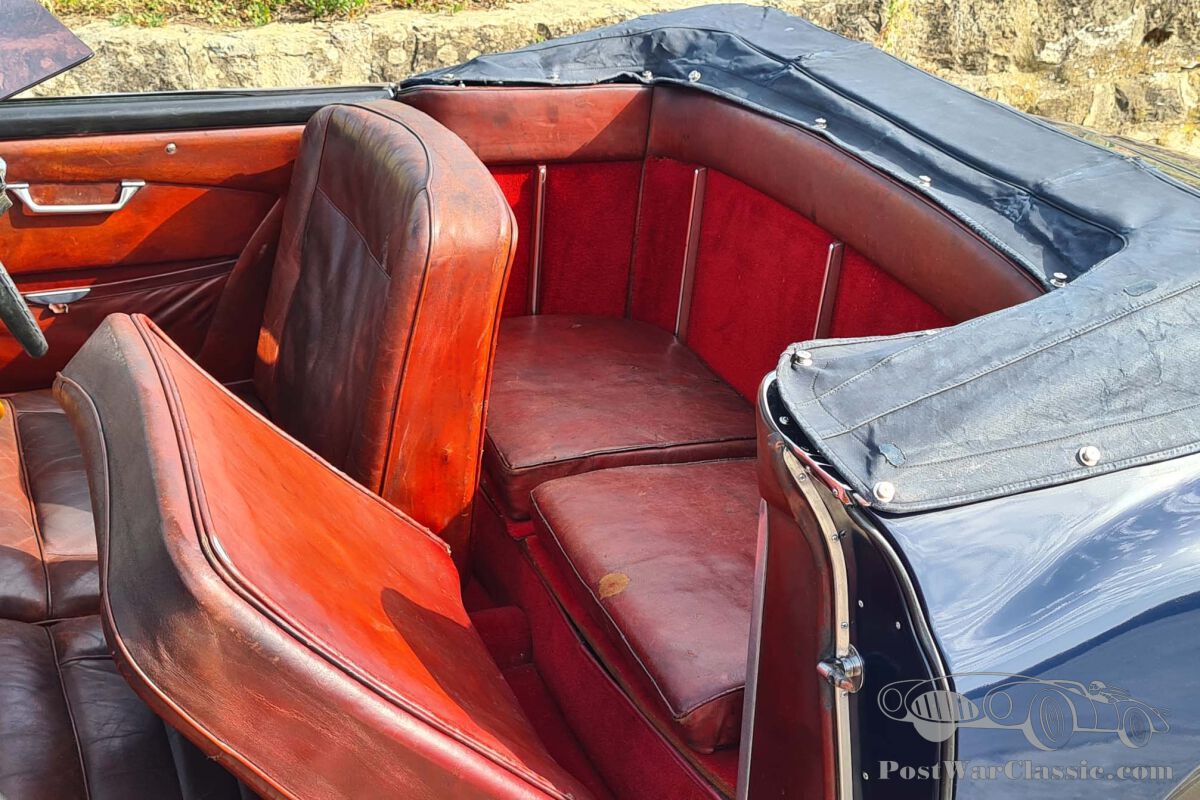
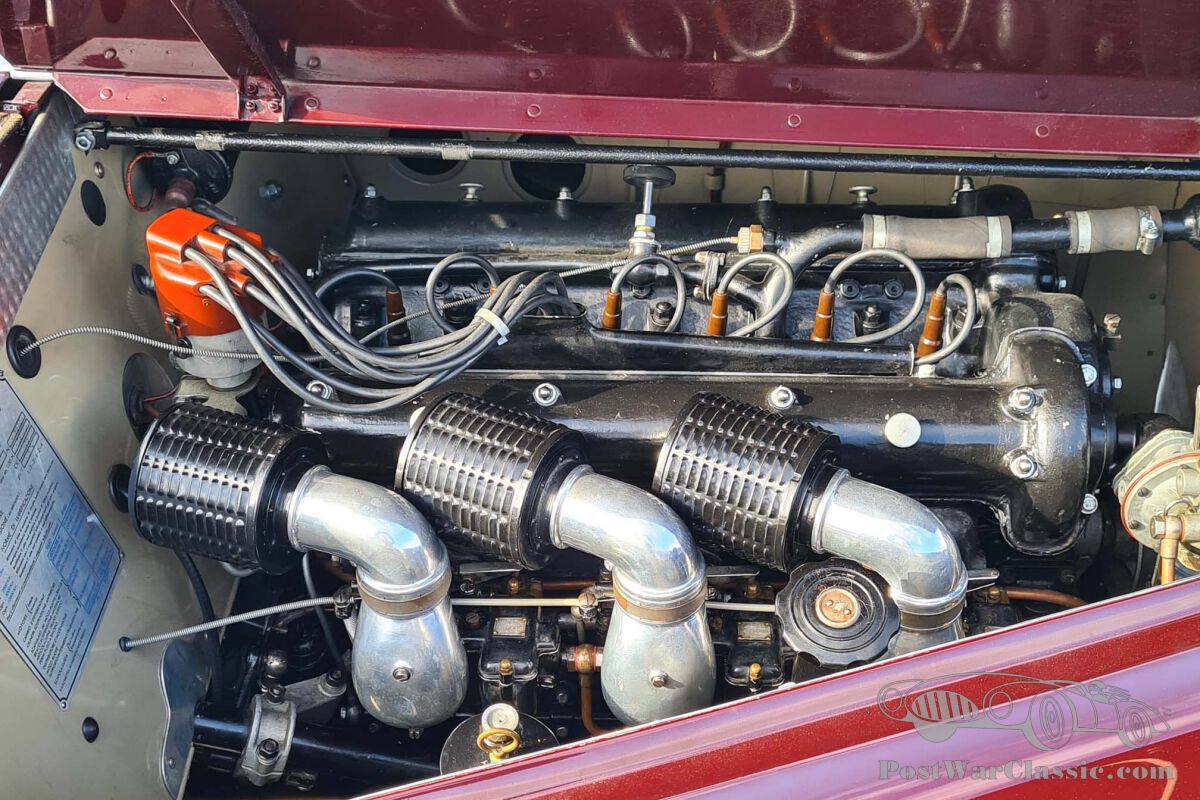
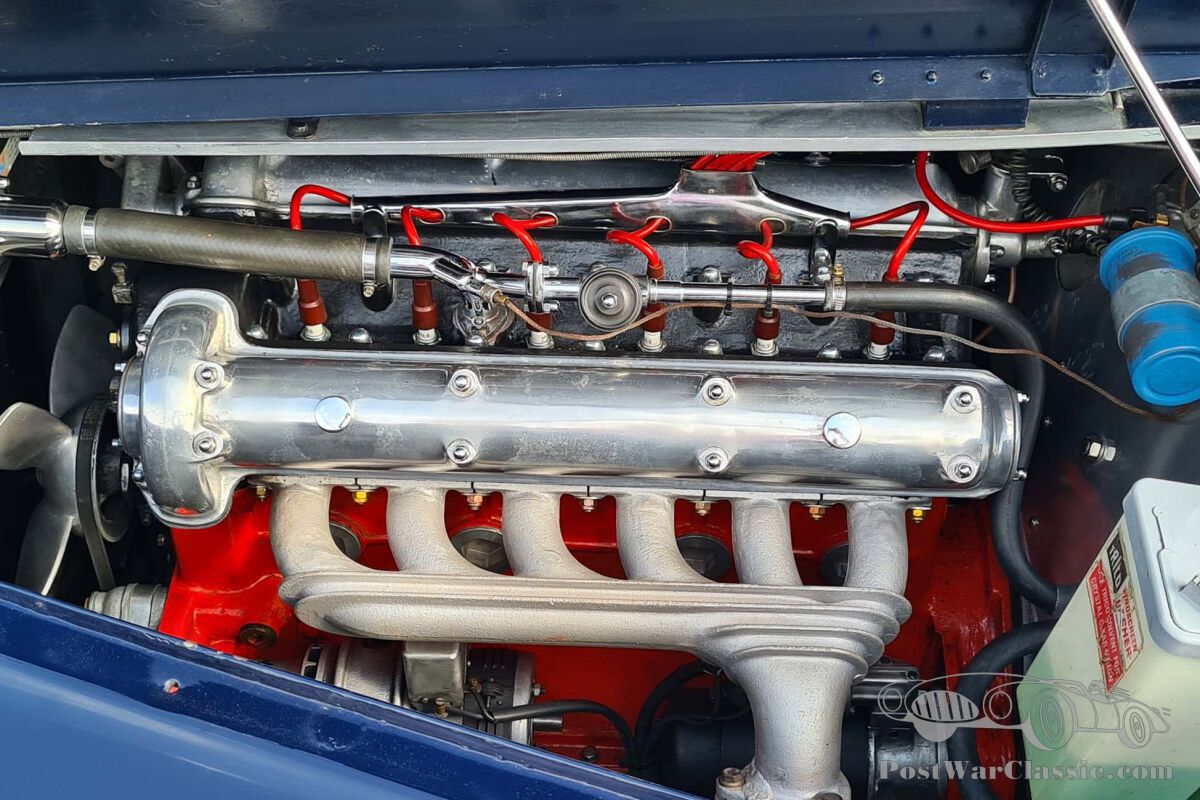


Decades before Ferruccio Lamborghini ever thought about making a sports car, at a time when neither the Maserati brothers or Enzo Ferrari held any sway outside of motor racing, the Italian gran turismo was in its nascence, thanks to one manufacturer more than any other: Alfa Romeo. It's true that the Lancia Astura of the 1930s was ideally-suited to carrying grand-touring coachwork, such as numerous leading carrozzerie bestowed upon it, but it did not enjoy the same widespread popularity as its rivals from Alfa Romeo, the 6C and 8C.
The 6C especially seemed to define the early gran turismo archetype. Smaller and lighter than its straight-eight sibling and the V8 Astura, it possessed superior sporting qualities without compromising luxury and comfort. From ski slopes to the seaside resorts, there was no more stylish or enjoyable way of getting about. It is no wonder that they became the car of choice for countless Italian aristocrats and playboy heirs, each one being finished with some shapely coupé or cabriolet body of unsurpassed elegance by one of the great coachbuilding houses of the time.
By the mid-1930s, the 6C was not a new car by any means, but one which had been refined over a gradual process of development spanning several years. Vittorio Jano's original design, which went into production in 1927, was for a 1,487cc straight-six sports car with an engine developed from an existing Grand Prix design. In 1928, a double overhead-cam version was launched, and the engine was gradually bored-out to 1,752 and then 1,917cc. When the flagship 8C was introduced in 1934, a completely redesigned successor to the original 6C was introduced, which used an engine of 2,309cc. This in turn would be increased to 2,443cc in 1938.
Thus Alfa Romeo was equipped with a car that would remain up-to-date for years after the end of the Second World War. The second engine was still a dohc straight-six, and was again the work of Jano. In basic tune, it carried just a single carburetter, but for the really dashing young blade, a triple-carburetter set-up was the hallmark of the even racier, short-wheelbase SS—Super Sport—model. The 2500 SS was the ultimate iteration of the 6C as a road car, remaining in production until 1952, and arguably the greatest Italian car to materialise in the first half of the 20th century. With the ability to exceed 100mph, a choice of beautiful bodies and a suitably exclusive price, it was everything the young, rich and beautiful people who had reached the top of the world stage could have wanted; it appealed as much to royalty, such as Prince Rainier of Monaco and King Farouk of Egypt, as it did to Hollywood stars like Rita Hayworth and Tyrone Power.
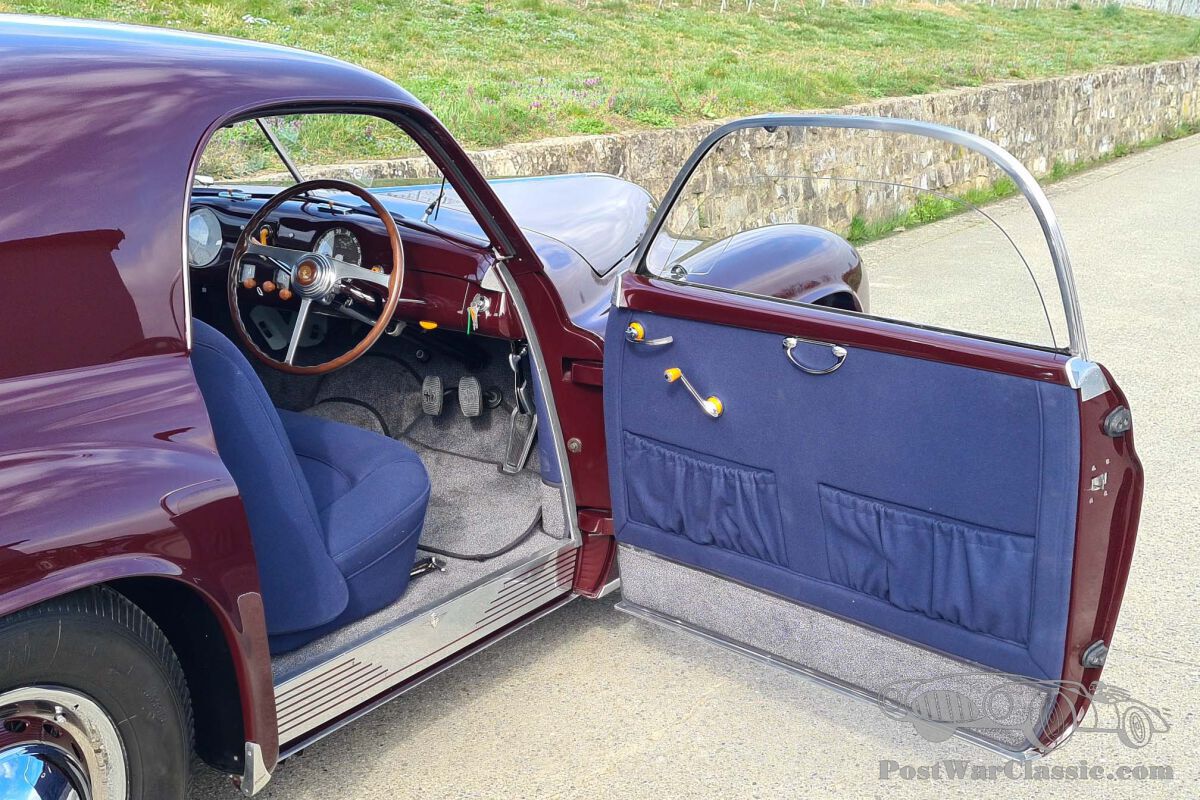
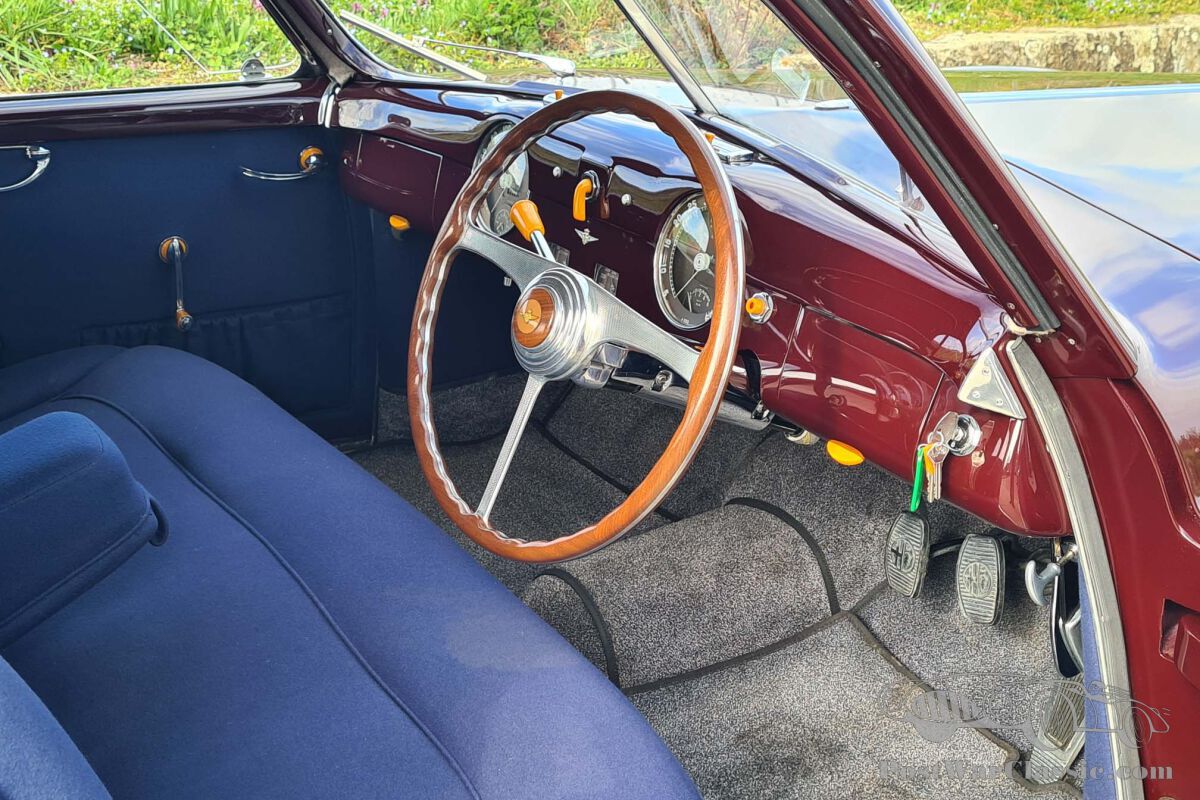
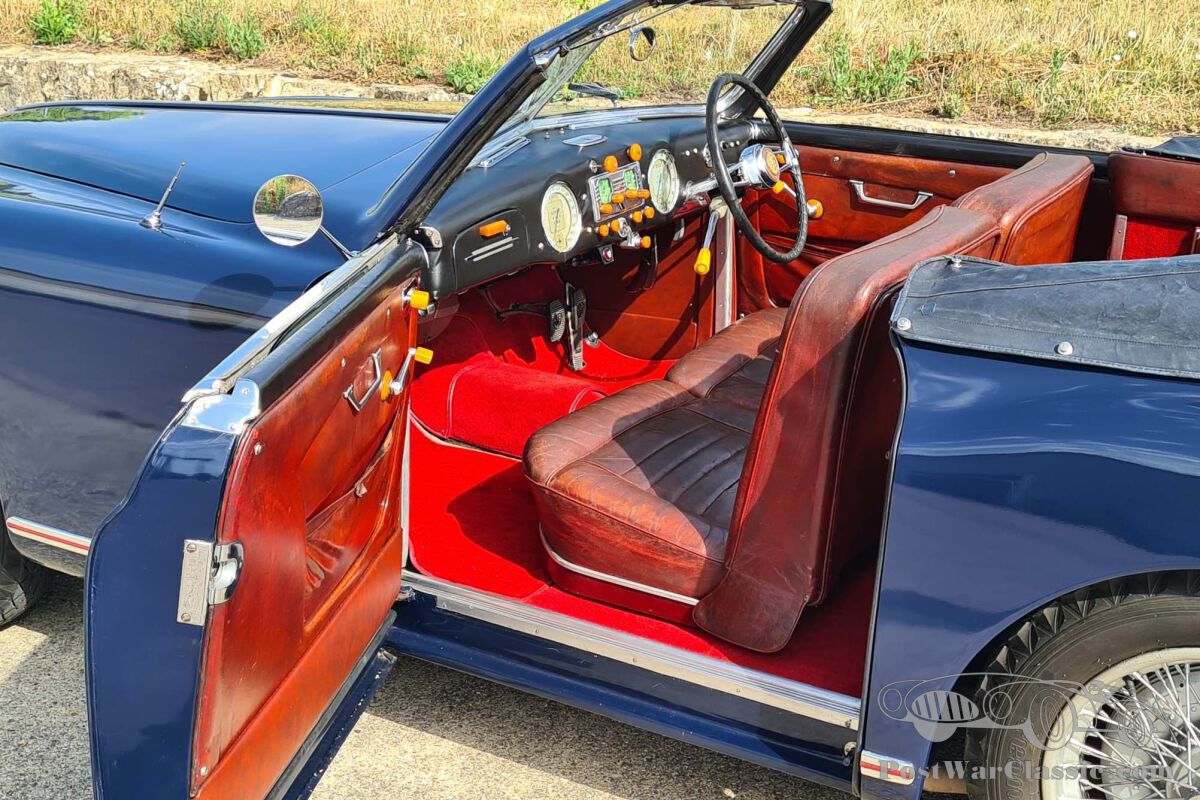
Remarkably, not one but two 1949 6C 2500 Super Sports are now being offered for sale in Switzerland with Christoph Grohe. The graceful coupé is by Touring of Milan and, as the recipient of a ground-up restoration, it appears tastefully presented in a very alluring Bordeaux red. The other car, a cabriolet by Pinin Farina, is a little flashier with its chrome wire wheels, and would be quite a dazzling sight cruising the shores of Villa d'Este. This car boasts some of the most impressive history; although sold new to a Milanese buyer, it was exported to Switzerland in 1953 and has remained in the same ownership since 1963. Surviving with its original red leather very well-preserved, both cars would make excellent additions to the garage of any motoring connoisseur.
More information and photographs are available here for the coupé, and here for the cabriolet. Follow this link to see more of Christoph Grohe's highly desirable wares.
Pubblicato:
lunedì giugno 10th, 2024
Facebook
LinkedIn
Twitter
WhatsApp
Email
Copy