La rivista e il marketplace globale per gli appassionati di auto d’epoca, creati da appassionati.
La rivista e il marketplace globale per gli appassionati di auto d’epoca, creati da appassionati.


Filter
Faccia la sua scelta
- Automobile
-
Marca >>
-
Anno >>
-
- Motociclette
-
Anno >>
-
- Parti e altro
-
Marca dell'auto >>
-
Produttore >>
-
Categoria >>
-
Paesi


There are E-Types and then there are early E-Types!

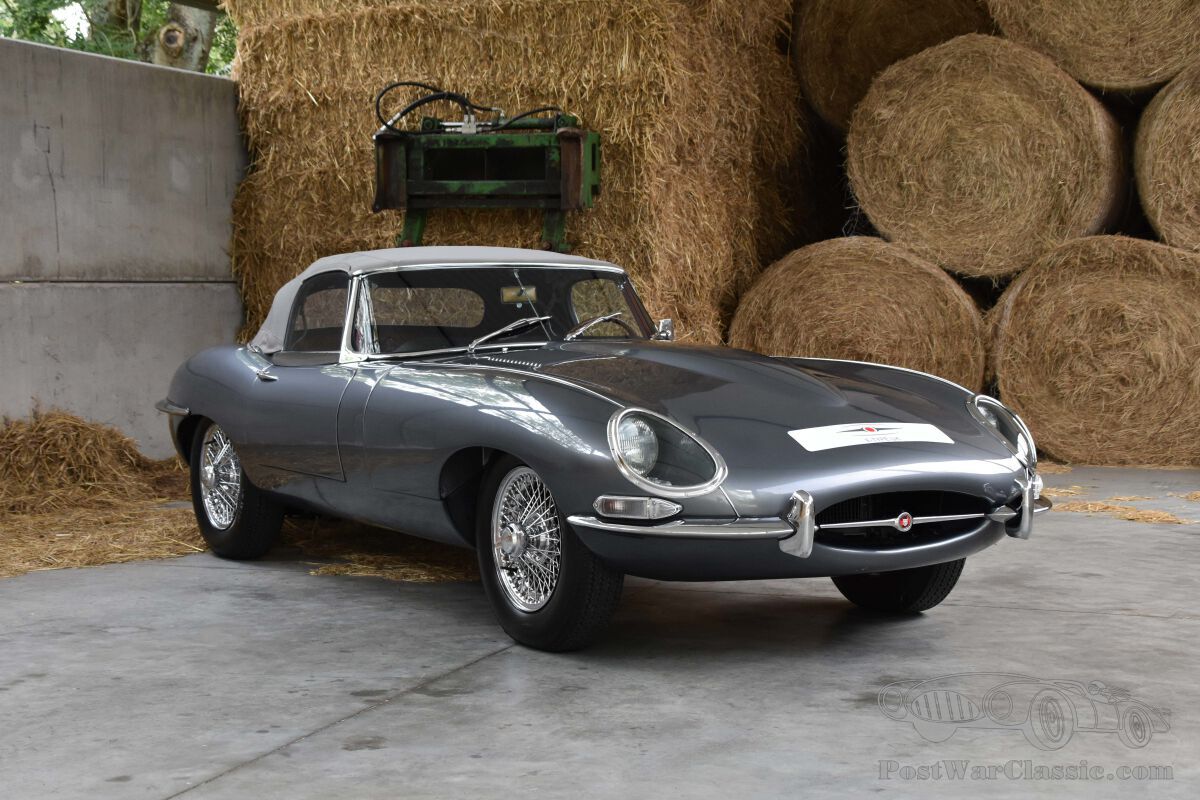


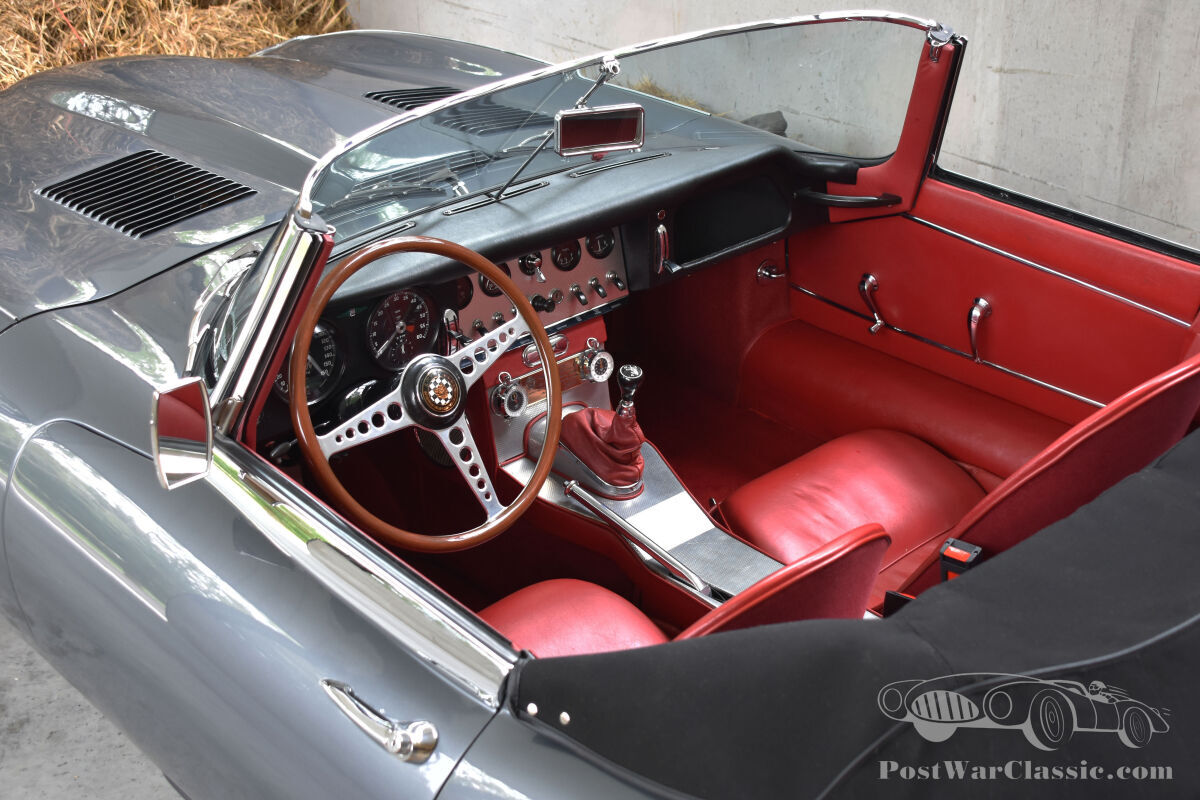

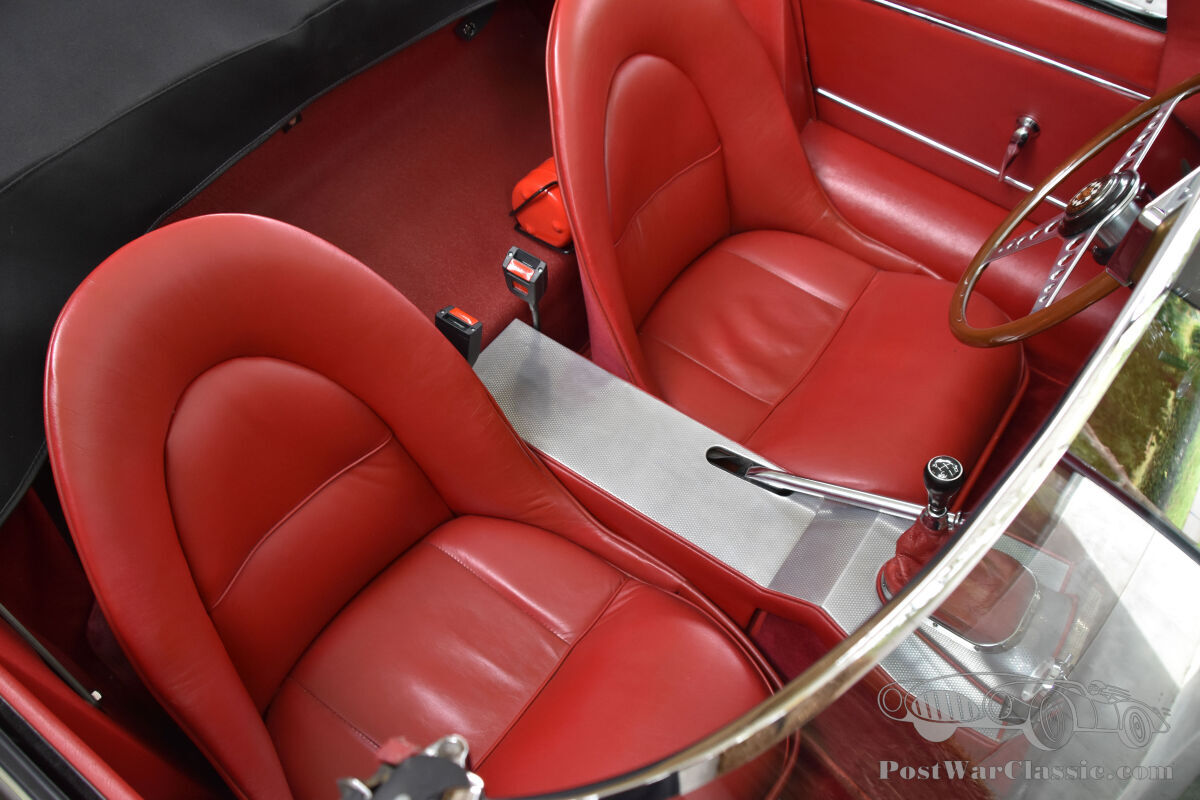
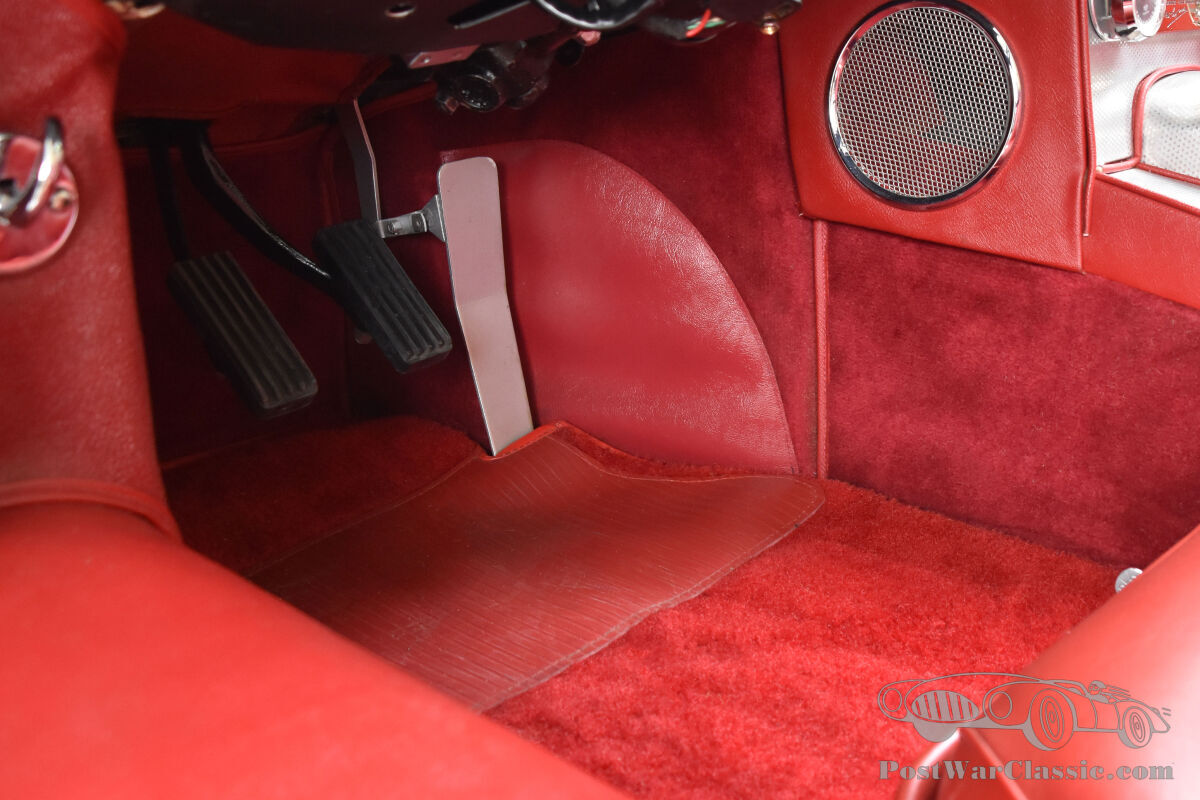
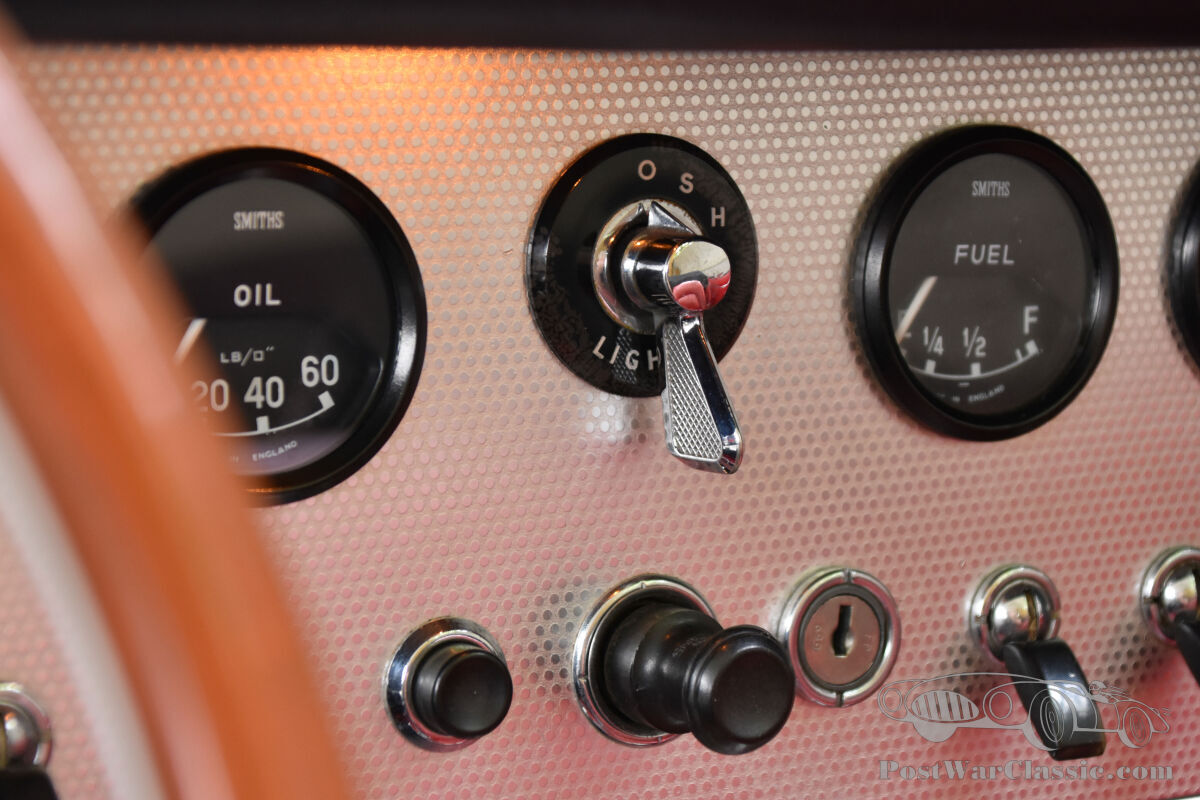
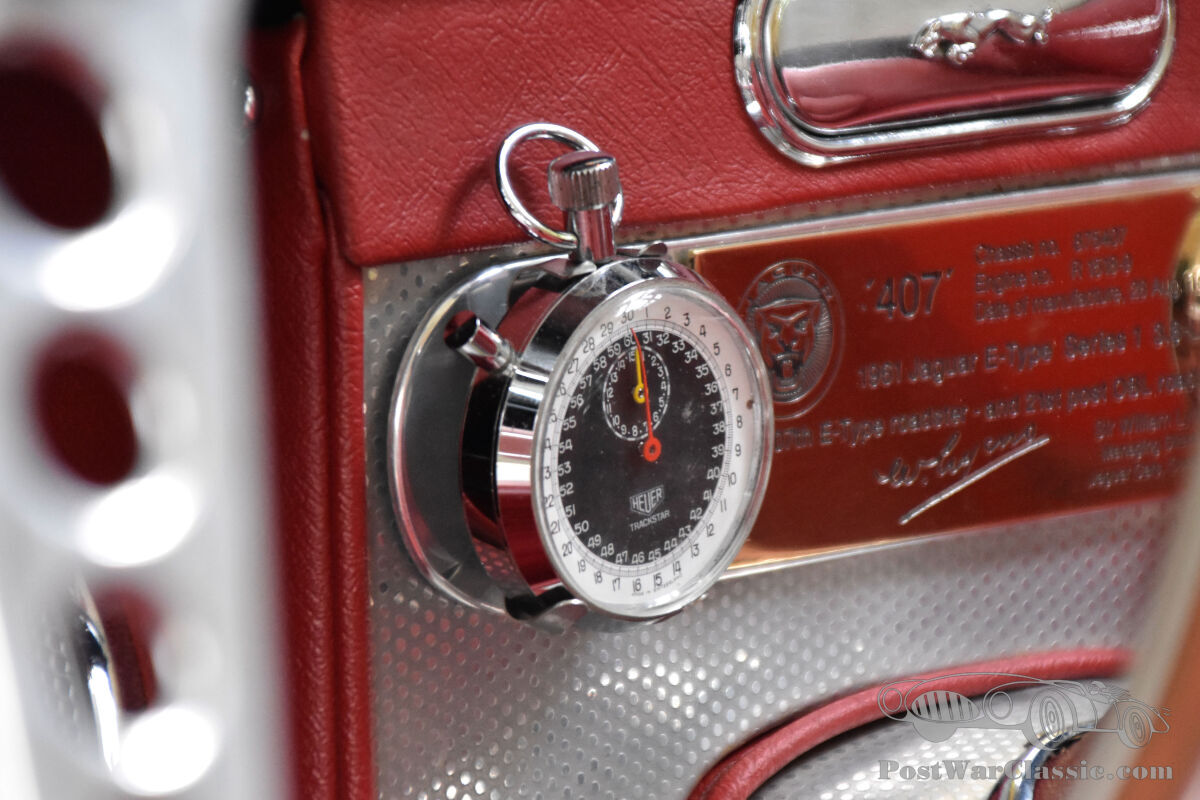
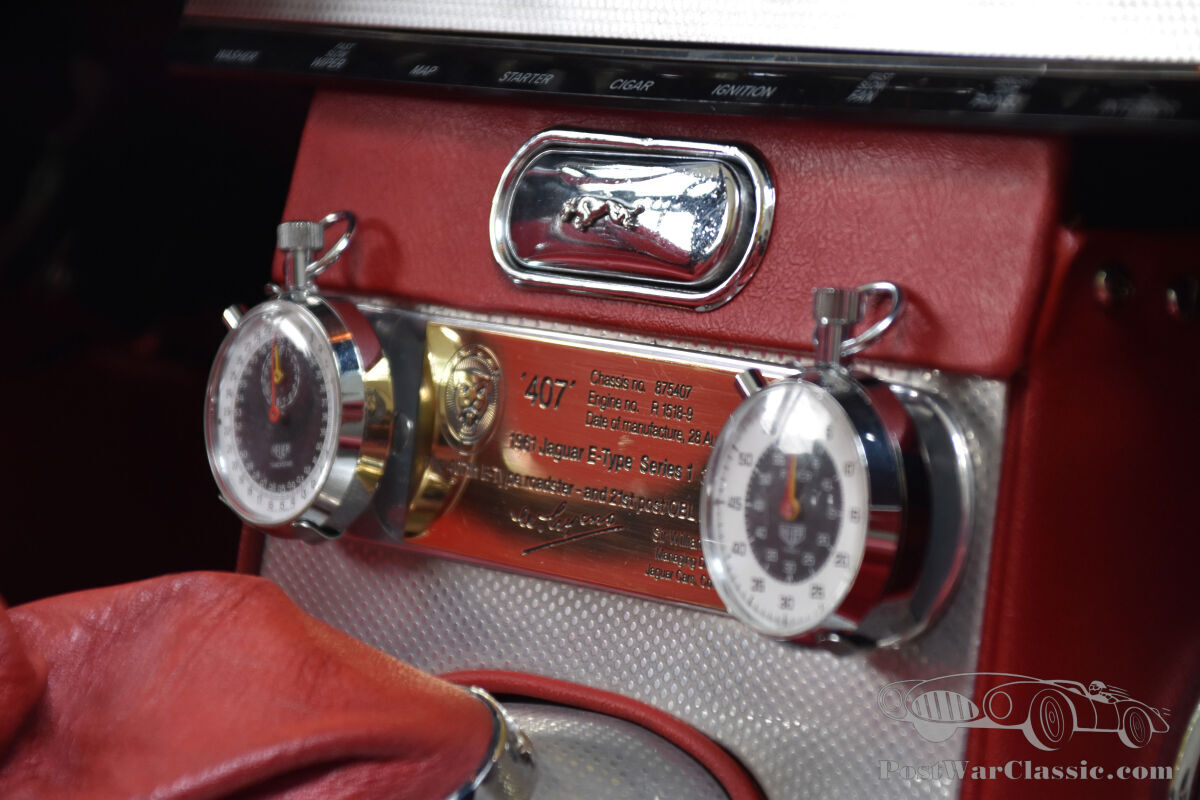
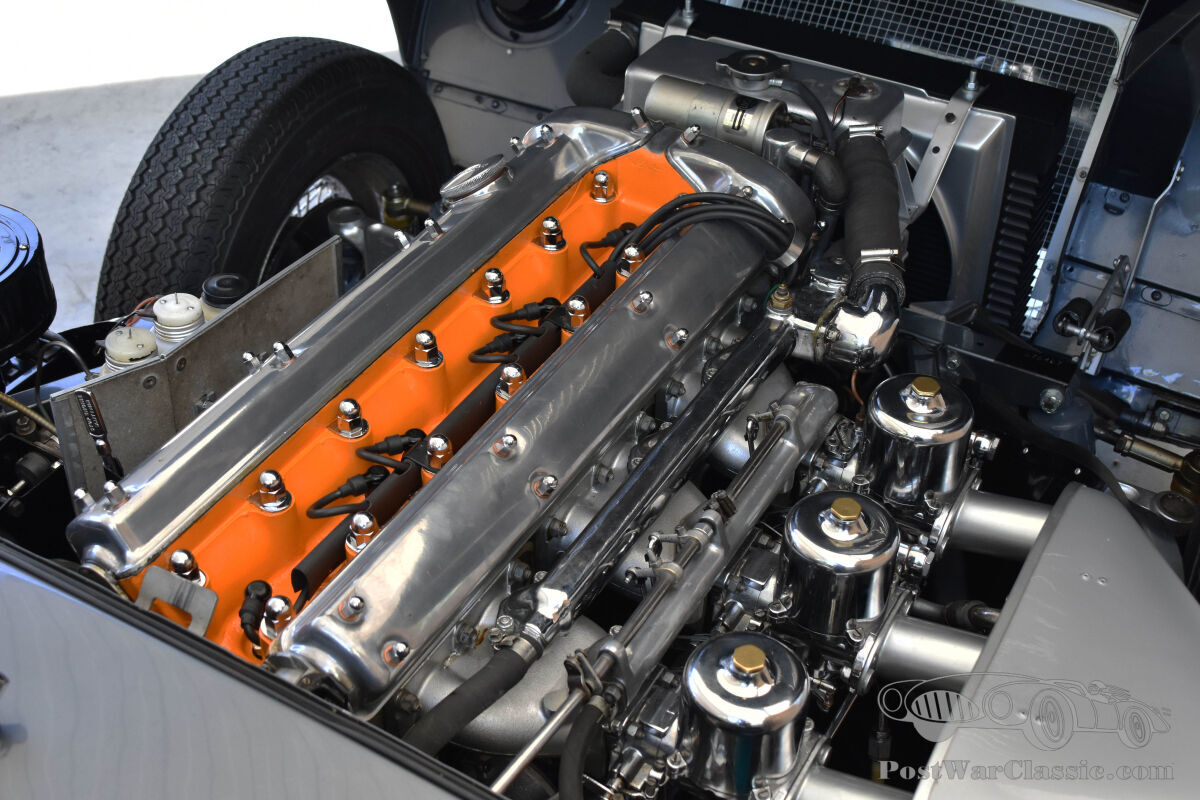
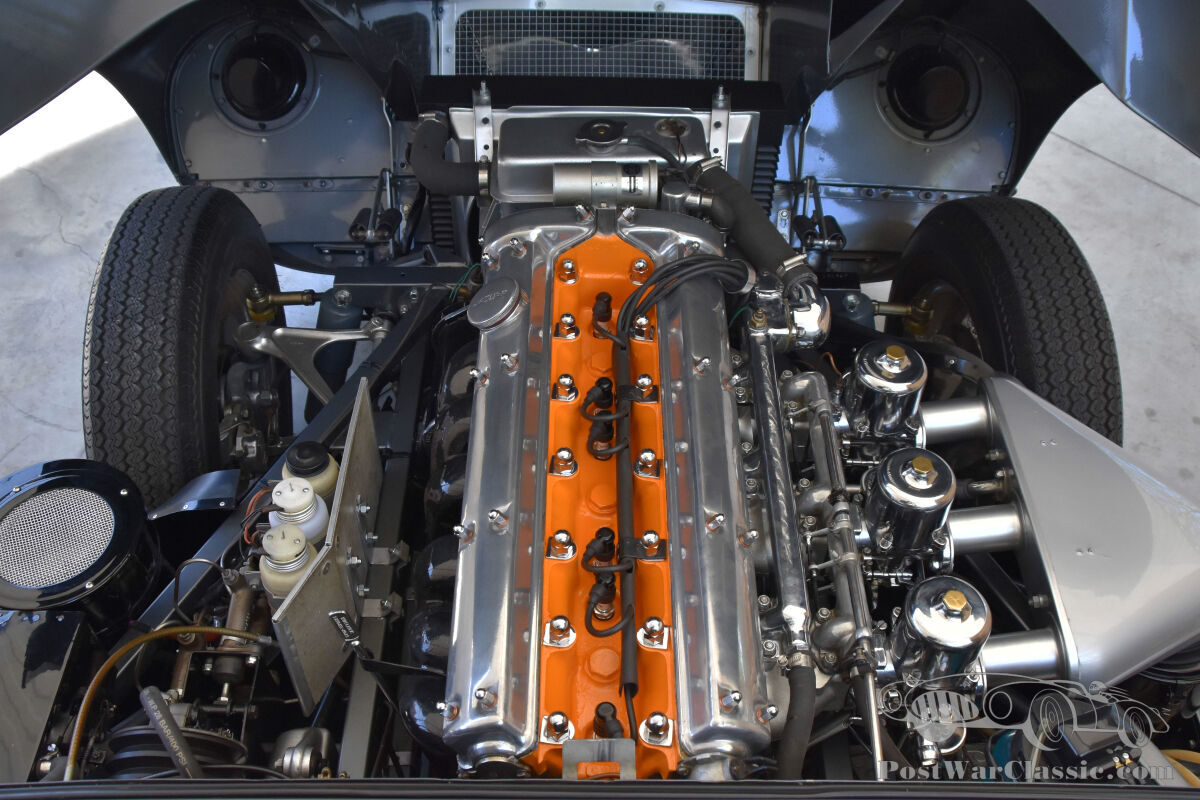
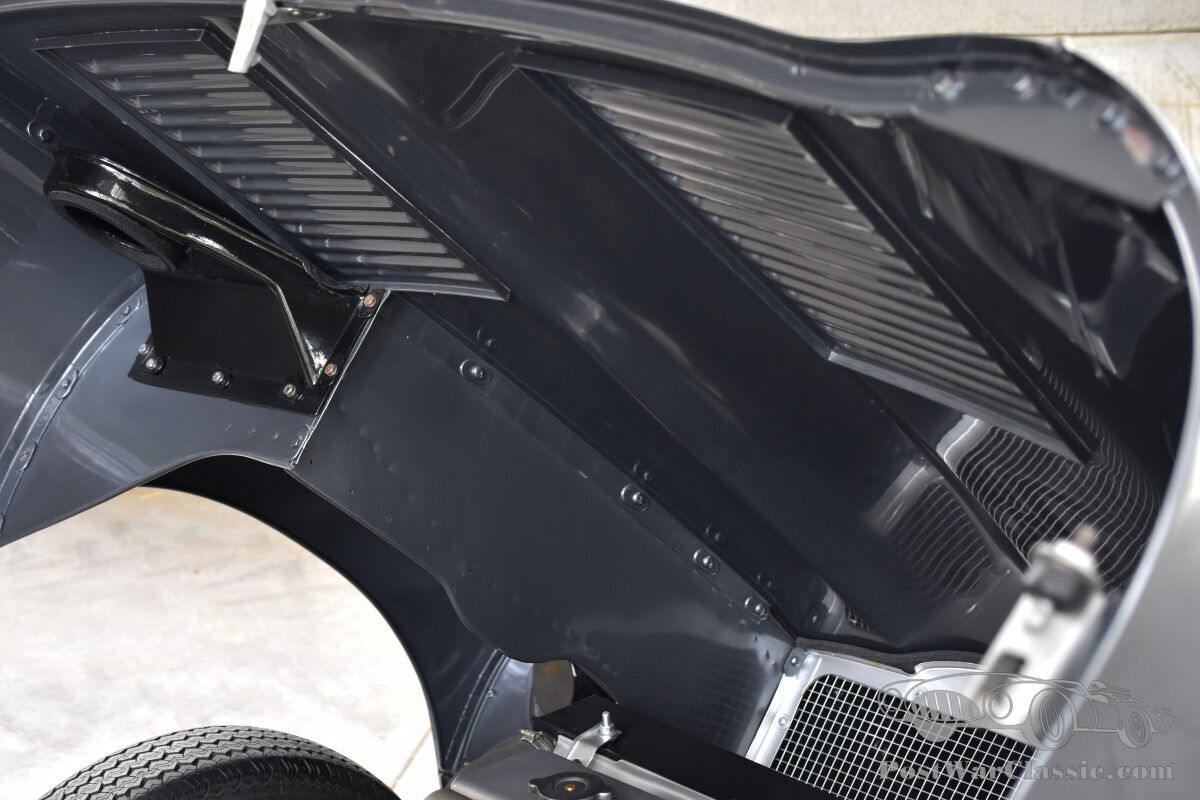
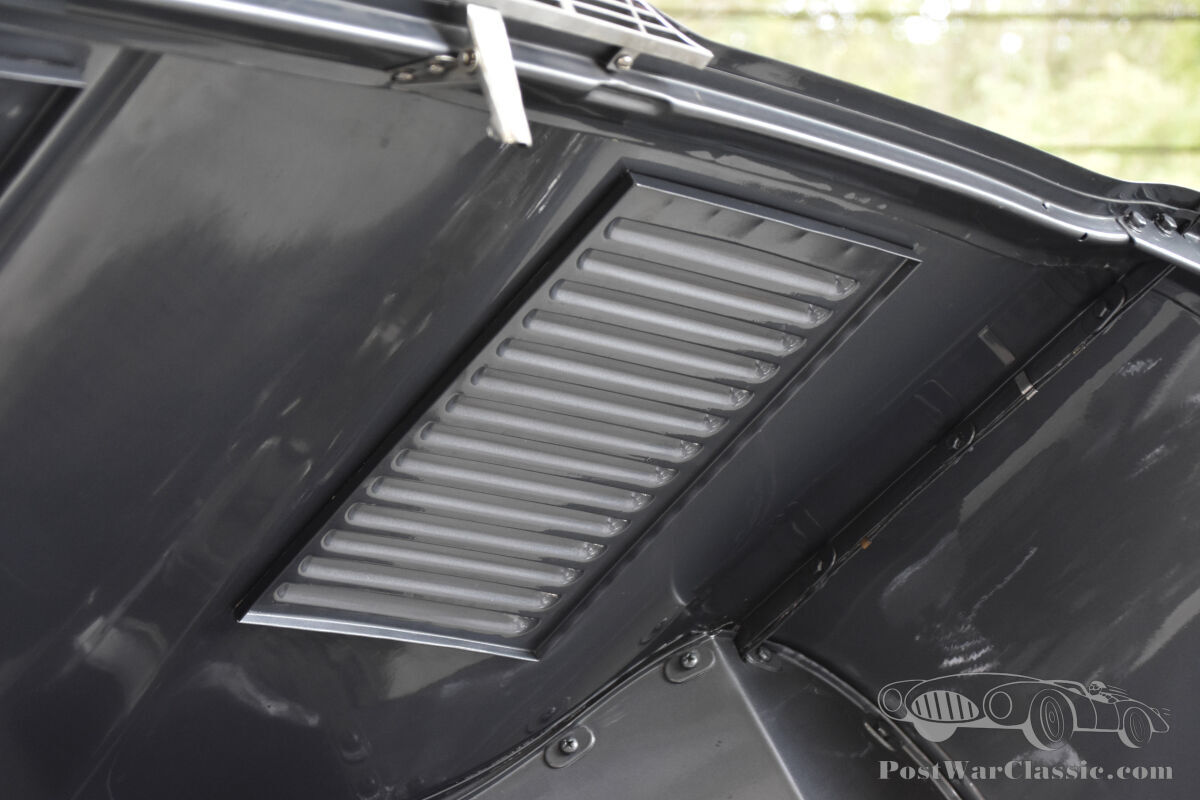
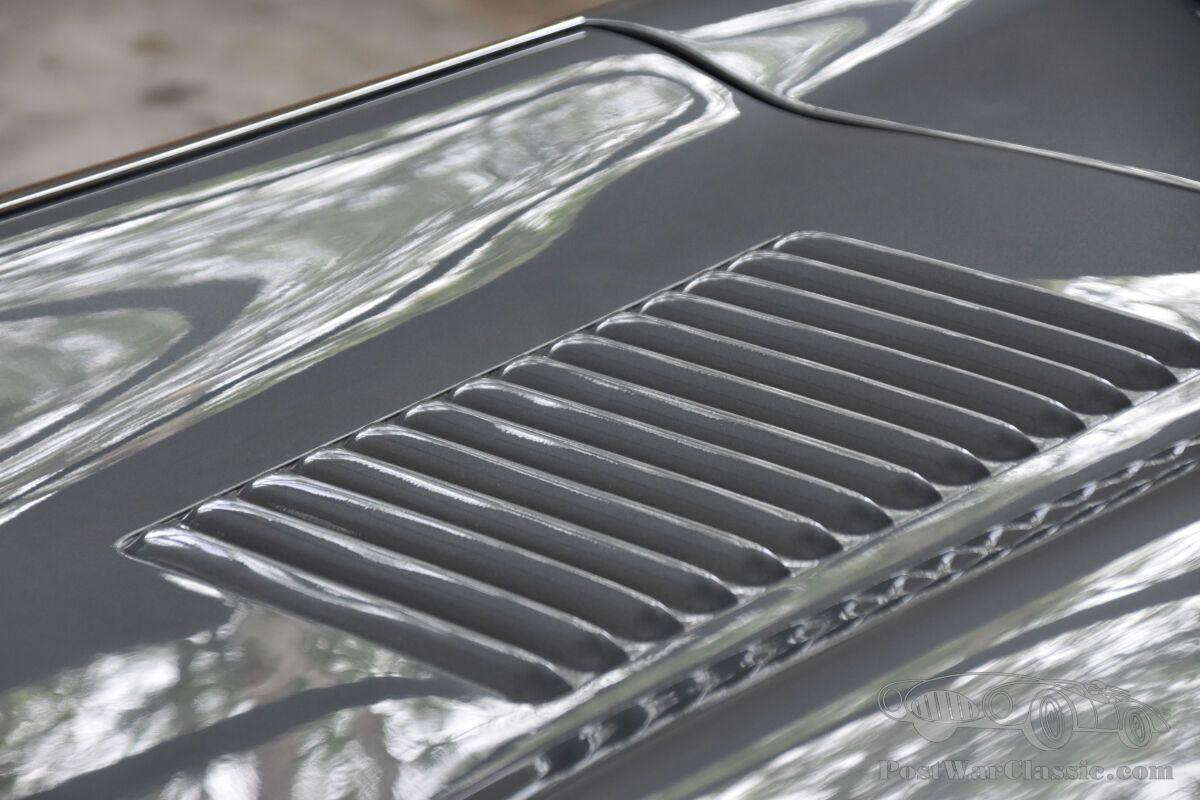
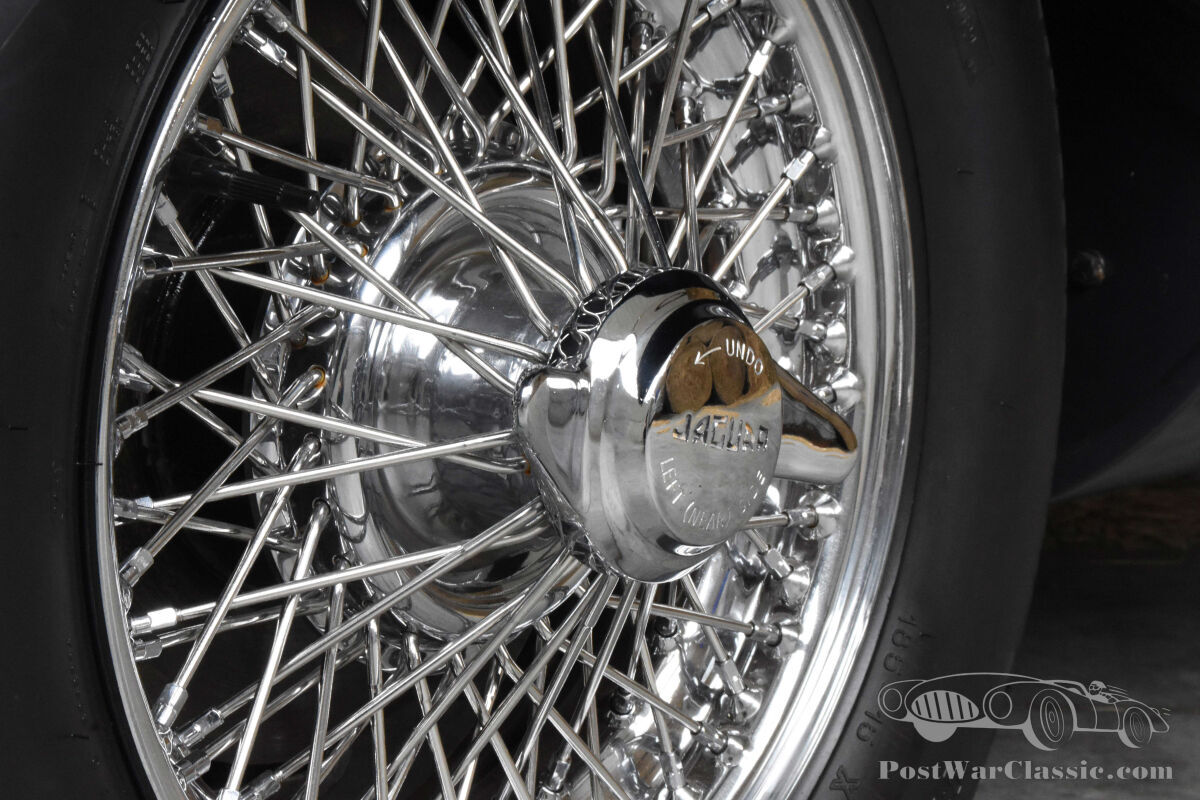
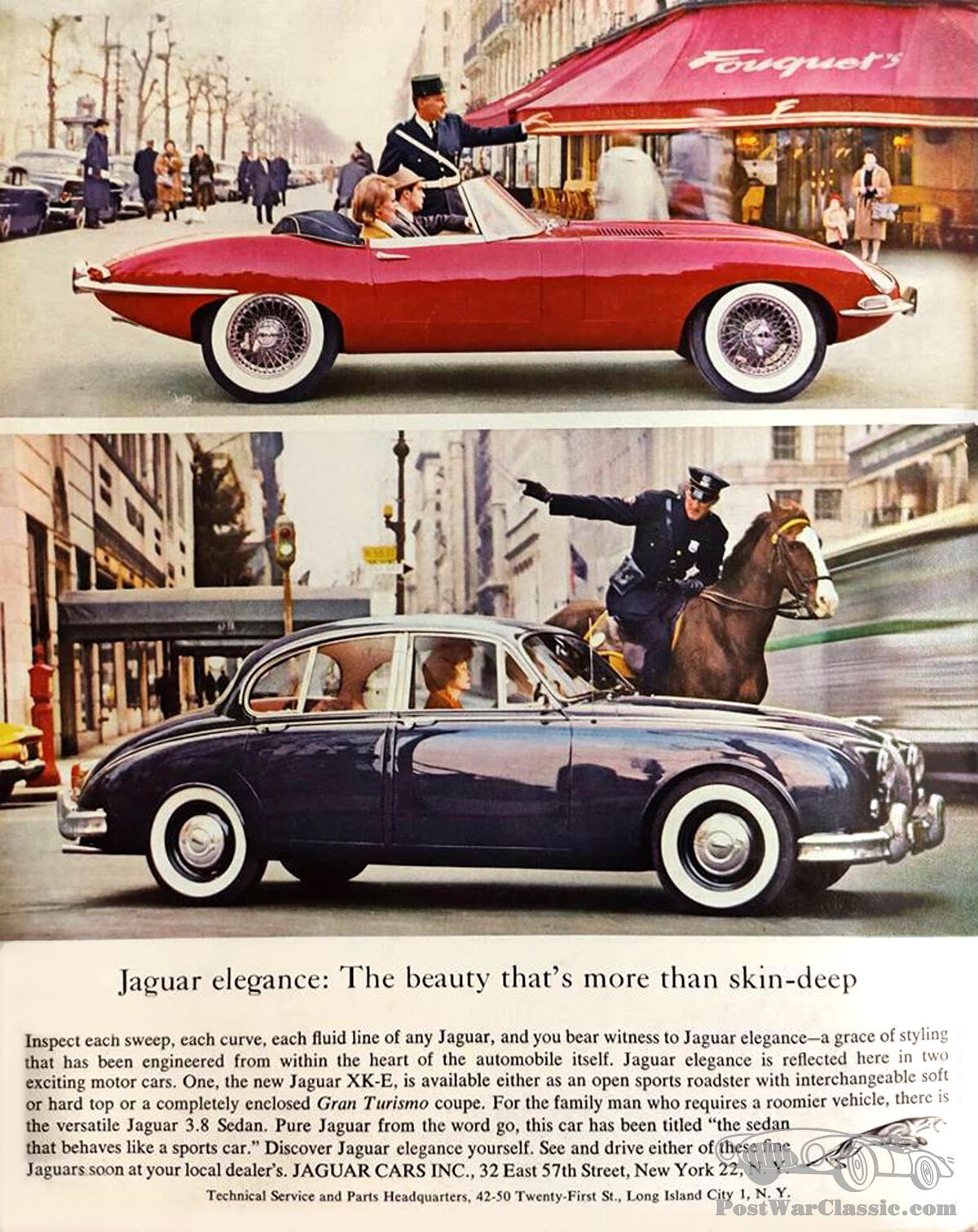


Most of us are pretty familiar with the evolution of the Jaguar E-Type over its 14-year production, as Series 1 morphed to open-headlight Series 2 and V12-powered Series 3. But there’s also a fascinating world hidden within the development of the very first E-Types of 1961, perfectly exemplified by this extremely original and heritage-correct 407th LHD E-Type roadster that came up for sale last week.
1961 Jaguar E-type 3.8 | Chassis 407
The E-Type caused a sensation when released at the Geneva Salon in March 1961 and in New York shortly after. What followed was a kind of pre-production run of 500 cars, both roadsters and fixed-head coupes, that were built with as many as 50 points of differentiation from the ‘production’ E-Types which began emerging in the Autumn of 1961. But these changes were phased in gradually, leading to a very interesting build for number ‘407’.
Historically, the favorite months for early E-Type production are May, June, July and August 1961 with the advertised car being built 28th August 1961. And so, it is the 21st LHD roadster off the production line following the first 500 cars. Initial production was slow and time consuming – only four or five roadsters were built per day – so ‘407’ would have been built within a working week of the last ‘Outside Bonnet Lock’ first-500 roadster. Therefore, it comes as no surprise that '407' retains a significant number of early details. Yes, gone were the outside bonnet latches (so no leaping from side to side like a tennis player to get access to the engine!) but most other early features remain.
So, in this Jaguar E-type you’ll find flat floors, a bonnet with spot welded-in louvers, two-piece door skins, the early double hinges and single drain hole of the boot, the super-rare Butlers number plate lights – and the pumpkin-colored cylinder head. This latter point isn’t just a wonderfully dramatic color contrast, but it’s also a great conversation point at shows – most people will have only seen the more mundane gold color used on later cars.
We believe the advertised car would be the ideal candidate for both the field of Concours d’Elegance and intoxicating weekend drives. In either setting, you can take in further rare features like the first-generation dot-pattern aluminum dash panels and superbly shaped bucket seats – some say the later examples are more comfortable, but these are stunning and, more importantly, they’re pure E-Type.
And that really is the thing about the listed car, it is the E-Type as it was designed to be. It’s an off-the-drawing-board 3.8-litre roadster saved from the later production details that arguably softened and diluted the E-Type’s initial vision.
What underlines the purity and matching number status is the fact that this actual car is especially noted for its originality by its chassis number in the printed publication ‘Jaguar E-Type Six-Cylinder Originality Guide’ by Dr. Haddock & Dr Mueller, the E-Type bible for true enthusiasts. ‘407’ is referenced throughout as one of the few known existing original and early E-Type examples. So far, of the first 40 post Outside Bonnet Lock cars, only about a dozen are accounted for today.
If history, originality and heritage-correctness appeal to you, then this might be the car for you. Take a look at the advertisement for more information or contact the seller directly. We've spoken to Marcus of E-Type UK who gave us the inside story. So, in anticipation for next year’s E-Type 60-year anniversary, now’s your chance to own a very important part of this motoring icon’s history.
Pubblicato:
giovedì agosto 20th, 2020
Facebook
LinkedIn
Twitter
WhatsApp
Email
Copy
Commenti
Olle Ljungström
29 Agosto 2020, 22:13
Even whith the modified catches In the footwells, you still had to walk from side to side to open them - so no relief there (which you indicated).
Regards,
Olle