La rivista e il marketplace globale per gli appassionati di auto d’epoca, creati da appassionati.
La rivista e il marketplace globale per gli appassionati di auto d’epoca, creati da appassionati.


Filter
Faccia la sua scelta
- Automobile
-
Marca >>
-
Anno >>
-
- Motociclette
-
Anno >>
-
- Parti e altro
-
Marca dell'auto >>
-
Produttore >>
-
Categoria >>
-
Paesi


Veritas - The german motorsport pioneer
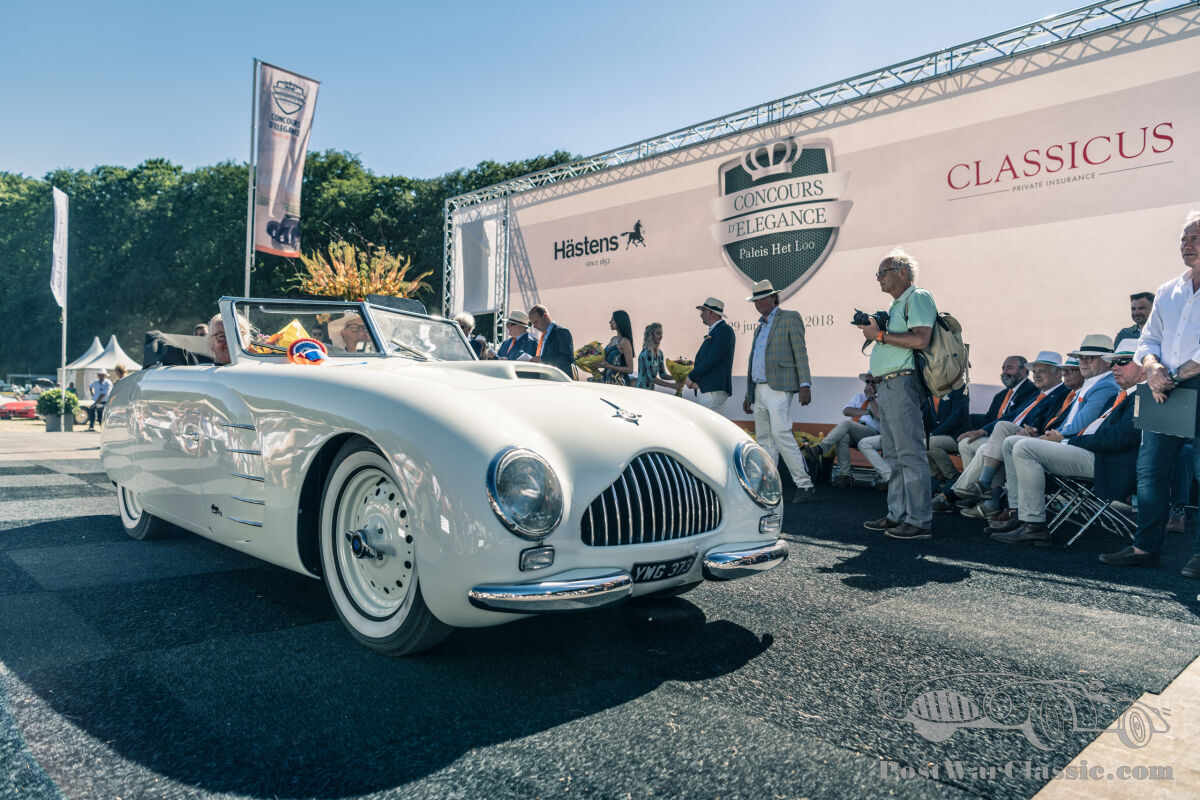
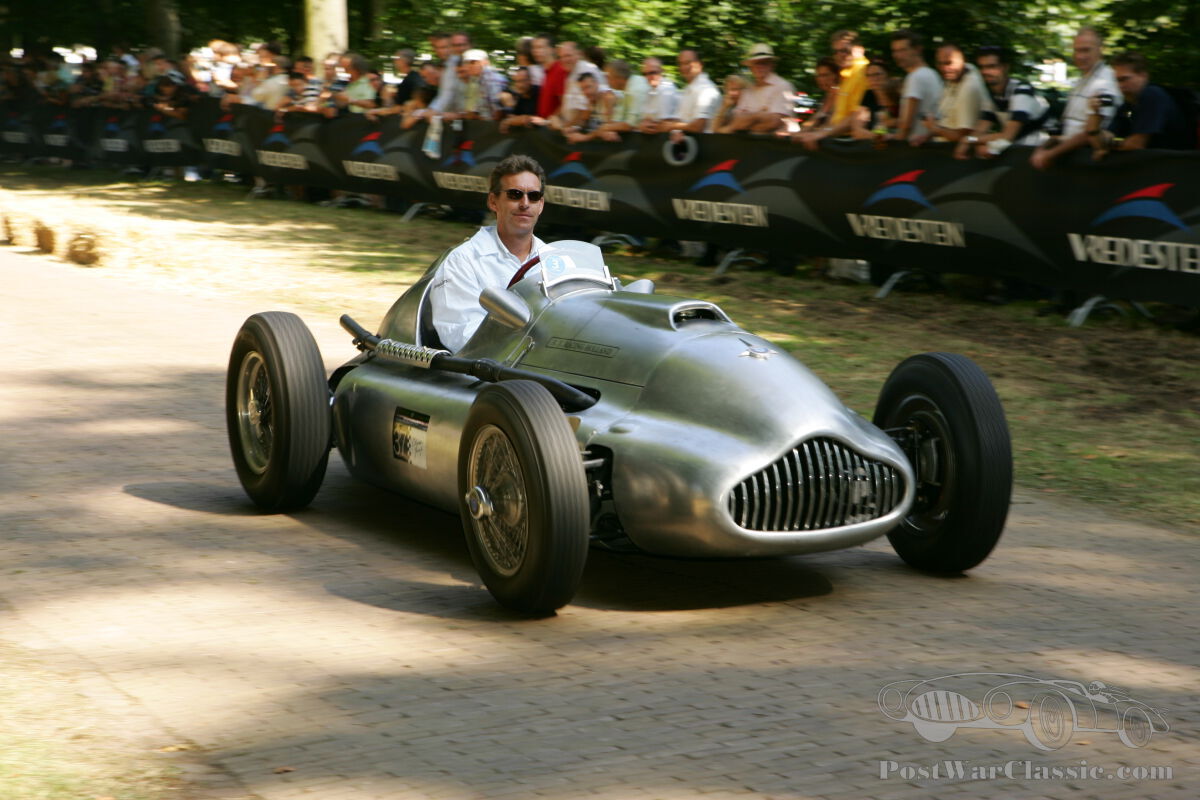


The Second World War was still in full swing. But three German soldiers stationed in Paris were already fed up with the violence of war and met secretly in a bistro in 1944. There, they hatched plans to restart German motor racing as soon as the fighting had died down. As a result, Ernst Loof, Georg Meier and Lorenz Dietrich - all three passionate motorsport enthusiasts with a fast beating BMW heart - began building a racing car as early as 1946. For lack of parts, they used the components of a pre-war six-cylinder BMW 328, unbeatable on the racetracks at the time. A year later, when Mercedes-Benz was still licking its wounds and Porsche had yet to be established as a brand, the racing driver Karl Kling drove the first Veritas RS, christened the RS, to victory on the Hockenheimring.
That was the start of the short-lived existence of Germany's first post-war motorsport brand, which only lasted until 1953. It was a case of trial and error, a chronic lack of money but unbroken enthusiasm. Even after BMW banned the trio from using the brand name, they developed models that set the stage for Germany's later motorsport hegemony. It was not a business success, so the few dozen Veritas models built for daily use were rarities from the start. However, with illustrious names such as Meteor, Comet, Saturn, Scorpion or Nürburgring, and decorated with experimental bodywork by famous German coachbuilders such as Authenried, Baur or Spohn Ravensburg, they determined the first successes of the burgeoning economic miracle. The trio even produced their own six-cylinder two-litre engine built by Heinkel.
When the initial racing successes faded despite talented German drivers such as Karl Kling, Wolfgang Seidel, Alfred Brudes and Auto, Motor & Sport founder Paul Pietch, the end of Veritas was in sight. An annual production of only a few cars did not offer any future. An attempt to offer light and affordable sports models based on the 850 cc two-cylinder Panhard Dyna also failed. Sales of these were reported to be just 184 units. After Meier and Dietrich left the business, Ernst Loof tried again on his own, at a new location at the Nürburgring. But in the last Veritas models created there, he even fitted civilian Opel or Ford engines in 1953 - a sad awakening from a sports car dream.
Pubblicato:
venerdì luglio 16th, 2021
Facebook
LinkedIn
Twitter
WhatsApp
Email
Copy