La rivista e il marketplace globale per gli appassionati di auto d’epoca, creati da appassionati.
La rivista e il marketplace globale per gli appassionati di auto d’epoca, creati da appassionati.


Filter
Faccia la sua scelta
- Automobile
-
Marca >>
-
Anno >>
-
- Motociclette
-
Anno >>
-
- Parti e altro
-
Marca dell'auto >>
-
Produttore >>
-
Categoria >>
-
Paesi


What the Lotus should have been – the Status
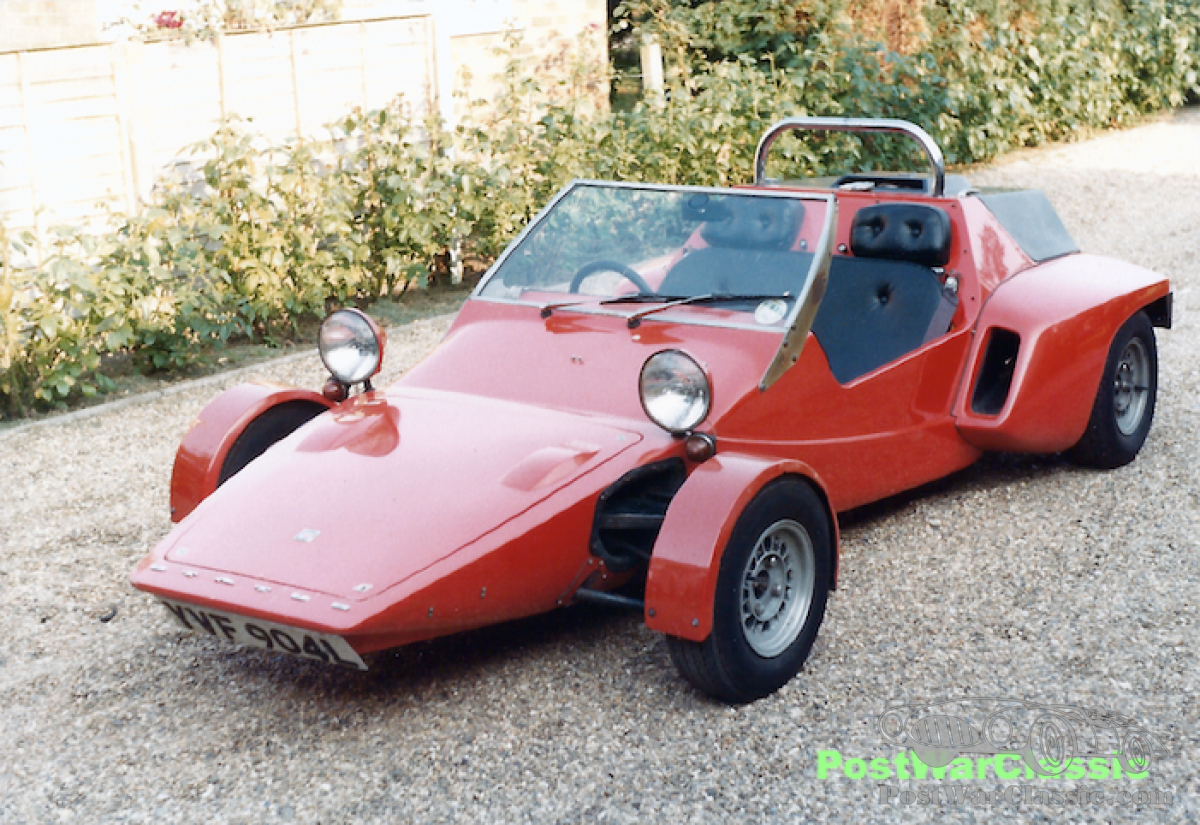

While Lotus Cars is searching for its own holy grail (see here), a duo of ultra-rare roadsters linking to Lotus was found earlier this week. They are a pair of Status Minipowers as designed, engineered and built by ex-Lotus Chief Engineer Brian Luff in the earliest 1970s.
Luff didn’t like the Lotus Seven S4 that was being developed in the late 1960s and was fed up with the numerous board meetings and bureaucratic paperwork at the company in Norfolk. And so he gave up his job as Chief Engineer with the sportscar manufacturer in 1969. He said about the S4: “The size, the body, the pressed steel chassis - it was far from the original Seven-concept”. He decided he could do better and set up the Status Motor Company to do so, the name being a wink to Lotus perhaps, although he told us that it derived from the band Status Quo that he “quite liked” at the time. Three months later he had his own tubular space frame chassis ready. It was a beautiful piece of engineering with Formula One-type suspension geometry that used double wishbones all round combined with the Mini’s front uprights and coil spring damper units. Any Mini-engine could be connected to specially machined drive shafts because of the exceptionally wide track. According to the motoring press that all made it ‘the ultimate in clubman’s road cars’. That was exactly how Luff had meant it as his original idea was to offer Lotus ride, roadholding and performance, coupled with Mini durability, running costs, parts availability and dealer service. But it didn’t succeed. All the engineering had made the car way too expensive to sale at a normal price, and just 20 chassis’ and a handful of fully buyilt cars were sold.
Your editor has been looking for a long-lost pair of them since 2011. A message of last week finally led to the duo of Minipowers, which appear to have survived well in a barn in Somerset in the UK. Full story of the discovery here.
(Words and picture Jeroen Booij)
Pubblicato:
giovedì settembre 27th, 2018
Facebook
LinkedIn
Twitter
WhatsApp
Email
Copy